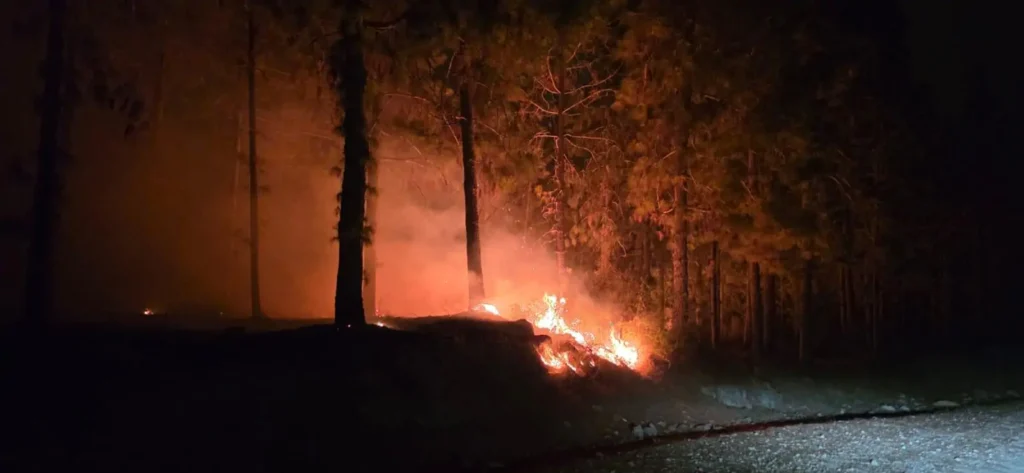

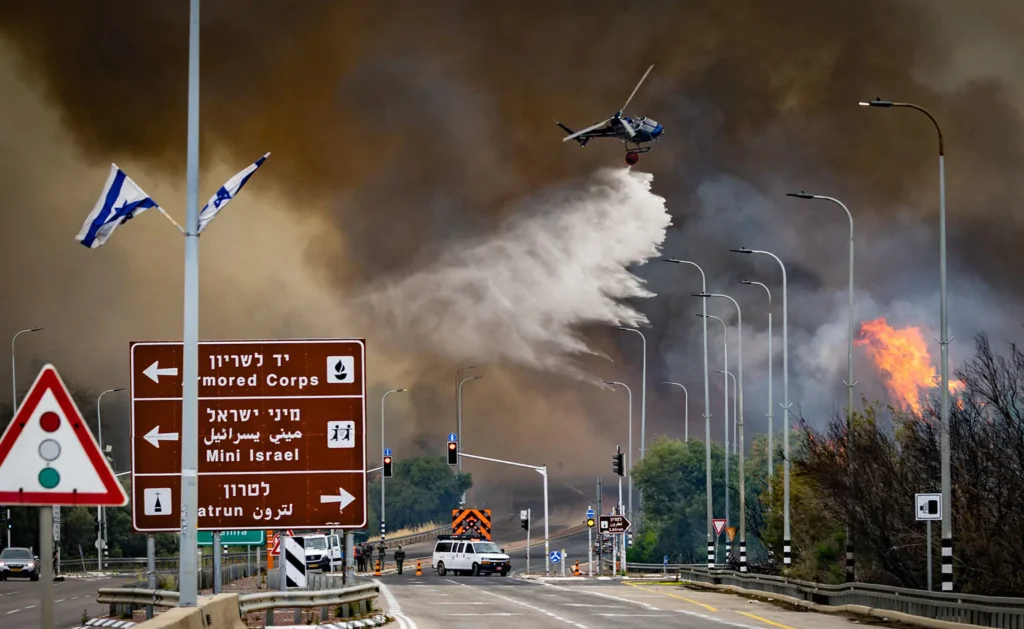
As one of the largest wildfires in recent Israeli history raged, the country’s emergency system was revealed in full force. Likud spokesman Guy Levy published a post Friday on his X account, presenting key data about the blaze. According to Levy, interagency coordination, enhanced rescue services, and proactive preparation led to a critical outcome: despite hundreds of fire zones, extreme weather, and suspected arson, there were no fatalities.
The Key Facts You Need to Know
-
Since the establishment of Israel’s firefighting service 65 years ago, its annual budget remained around NIS 800 million until 2013.
-
Over the past decade, the budget increased by over NIS 1 billion, marking a 125% rise.
-
In 2023, the operating budget reached NIS 1.757 billion; in 2024, it increased to NIS 1.779 billion, with an additional NIS 20 million in self-generated revenue.
-
Israel now operates the largest aerial firefighting fleet in the world relative to its size, far surpassing countries like the UK, which has no aerial firefighting system despite averaging nine times more fires than Israel.
-
In terms of firefighting aircraft per capita, only Australia ranks above Israel.
“Incredible Coordination and an Amazing Job”
Levy noted that throughout the recent fire, all government ministries worked in close cooperation. The Prime Minister’s Office coordinated field operations, Fire and Rescue Services managed firefighting, evacuation, and community protection, Israel Police secured roads and rescued civilians, Magen David Adom (MDA) treated and evacuated the injured, and the Environmental Protection Ministry monitored air quality and addressed pollution. Additional agencies—including the Defense Ministry, Ministry of Transportation, Tourism Ministry, Nature and Parks Authority, and Foreign Ministry—also played active roles within their sectors.