
The Mission to Yemen, and the Uncommon Bond
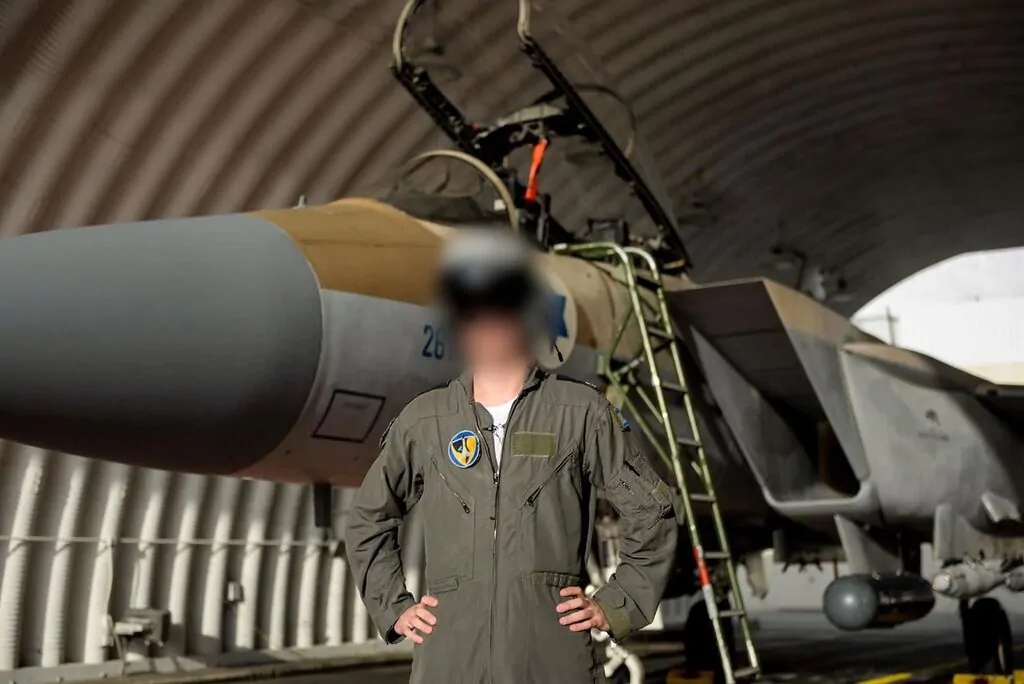
The moment when the entire world condensed into a single point on the screen, far above Yemeni skies, is how Captain S’ from Squadron 69 describes it: “The vibration in the wing and the short sound that follows are the signal that the munition is on its way to the target. Only then can you truly breathe.”
The Mission and the Long Journey
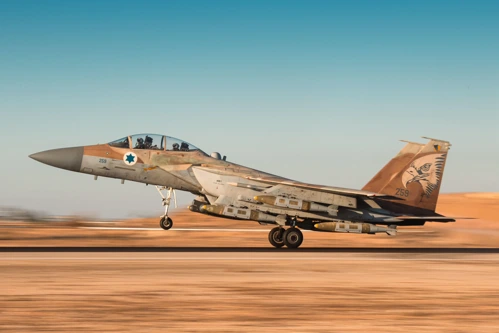
The recent operation targeting a Houthi palace and a power station in Sanaa was marked by long hours of flight and constant uncertainty. “You have to be ready for anything, even the most unexpected. There’s no such thing as a ‘routine flight’,” he emphasizes. For him, it was the first time striking in an arena he had helped plan for years.
“The operational conditions and sense of mission stay with you long after the flight,” he shares. “At the moment the munition is released, the tension peaks—and when it hits the target, an incomparable sense of relief spreads.”
A Relationship Built on Shared Secrets
Alongside his operational service, Captain S’ has a special relationship: he is married to Captain T’, an intelligence officer in Unit 8200. “The truth is, she often knows about my strikes before I do,” he says. The mutual understanding, he adds, strengthens their bond, even amid secrecy and constant pressure.
The ritual is always the same: a hug for the ground crew, a high-five to his fellow pilot, and always, always a phone call to his wife. “She already knows everything,” he laughs.
From Colleagues to Parents: Love Born in the Delivery Room
At Barzilai Medical Center in Ashkelon, Dr. Yelena Shcherbina, a senior OB-GYN, and Dr. Giga Nadiradze, an anesthesiologist, celebrated the birth of their firstborn son. This wasn’t the first time they were together in the delivery room – but then they met as medical professionals. This time they returned with different roles: she as the laboring mother, and he as the excited father.
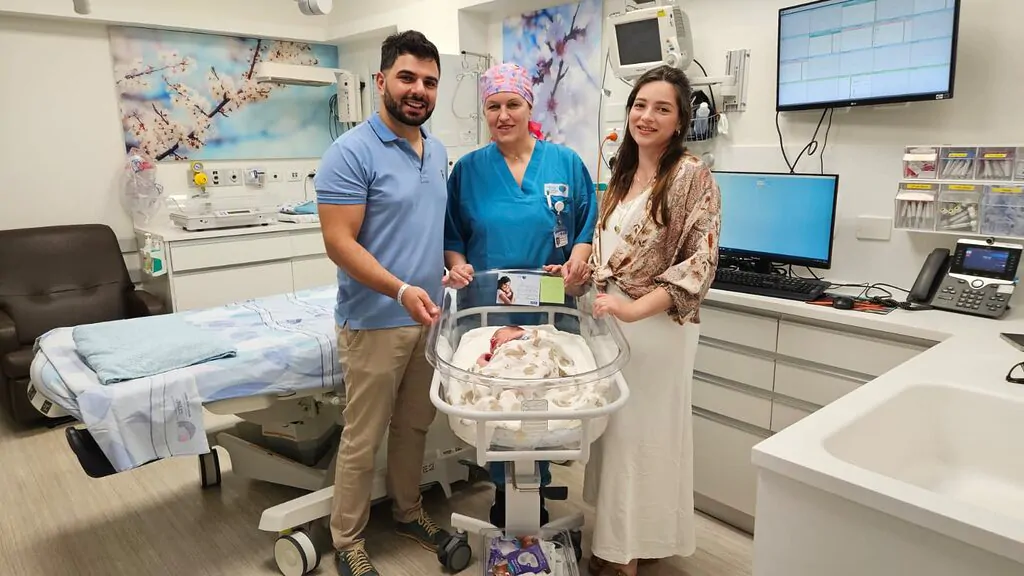
Dr. Ella Ivshin, head of the delivery ward, oversaw the birth. At 10:07 a.m., the couple welcomed a baby boy weighing 3.740 kg.
“We wish the young family lots of health, love, and many joyful moments,” said the hospital.
From Loss to Love in Bloom
Atara Sinton lost the love of her life, Staff Sergeant Ariel Sosnov z”l, in the fighting in Gaza. But from her immense grief grew a simple and moving idea: to transform his memory into a bridge of love and hope, through bouquets of flowers that connect soldiers, families, and even strangers.
Atara’s Mission in Ariel’s Memory
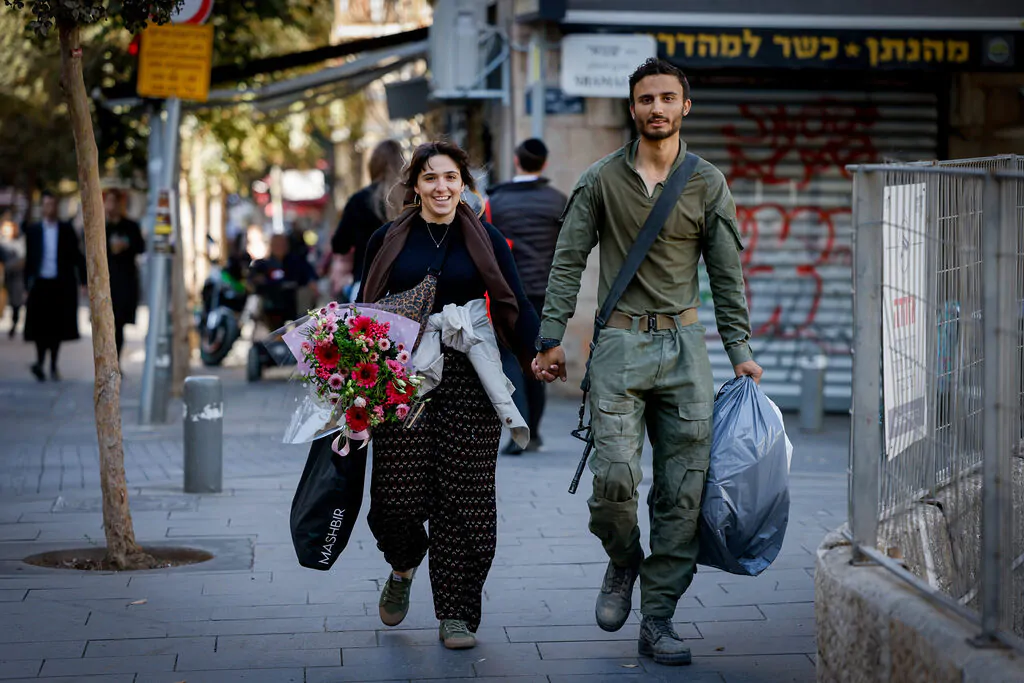
“We were together for two years, seven months, and 27 days,” Atara says. “On the first day I asked him to be my boyfriend, he gave me plastic flowers. Since then, every Friday—whether he was on base, in combat, or under fire—I would get flowers from him.”
That simple gift became a symbol—even on their last day speaking, with sirens in the background.
Ariel promised he would come back—but he didn’t. Heartbroken yet determined, Atara chose a different path to continue their connection. Instead of sinking into mourning, she began handing out flower bouquets.
“During his shiva [seven days of mourning], I promised two things,” says Atara. “That the whole world would know who he was, and that I would buy flowers every week, no matter what.” Since then, every Friday, she stands on the streets with friends, buckets of flowers in hand, distributing them to soldiers. In just a few days, a vibrant community formed: more than 140,000 people in groups, over 5,000 flower donors, and volunteers reaching bases across the country.
https://www.youtube.com/shorts/JXWwEscJ5nM?feature=share
Why Flowers?
“You come home after two months in the field, the house is half empty, the kids are tense, your wife is exhausted—and then you walk in with a bouquet. It sends a different message. You’re saying thank you. You’re showing you care,” she explains. Soldiers say some bring flowers to their partner, others to grandparents, and some just to surprise someone waiting at home. “It’s just the best,” says one simply.
“When you lose someone you love, you have no reason to get up in the morning,” Atara shares. “But this project gave me a new reason. Seeing a soldier smile, getting a message from a mother thanking me on behalf of her son—that’s what keeps me going.” Her dream is simple: to continue Ariel’s legacy. “To keep doing good. That’s all.”