


Israel’s national financial vault just got heavier. As of the end of May 2025, the Bank of Israel announced that its foreign currency reserves have reached an all-time high of $223.6 billion, reinforcing the country’s ability to withstand future economic shocks.
This marks an increase of approximately $1.59 billion from the previous month. The boost reflects not just economic resilience but also a conservative and methodical strategy to manage potential liquidity crises and ensure macroeconomic stability.
A Global Standout: Nearly 41% of GDP in Reserves
The current level of reserves represents 40.8% of Israel’s Gross Domestic Product (GDP)—a ratio that ranks high by international standards. In past years, especially during the previous decade, reserves climbed to as high as 50% of GDP as the Bank of Israel aggressively purchased U.S. dollars to curb the strengthening of the shekel and support Israeli exports.
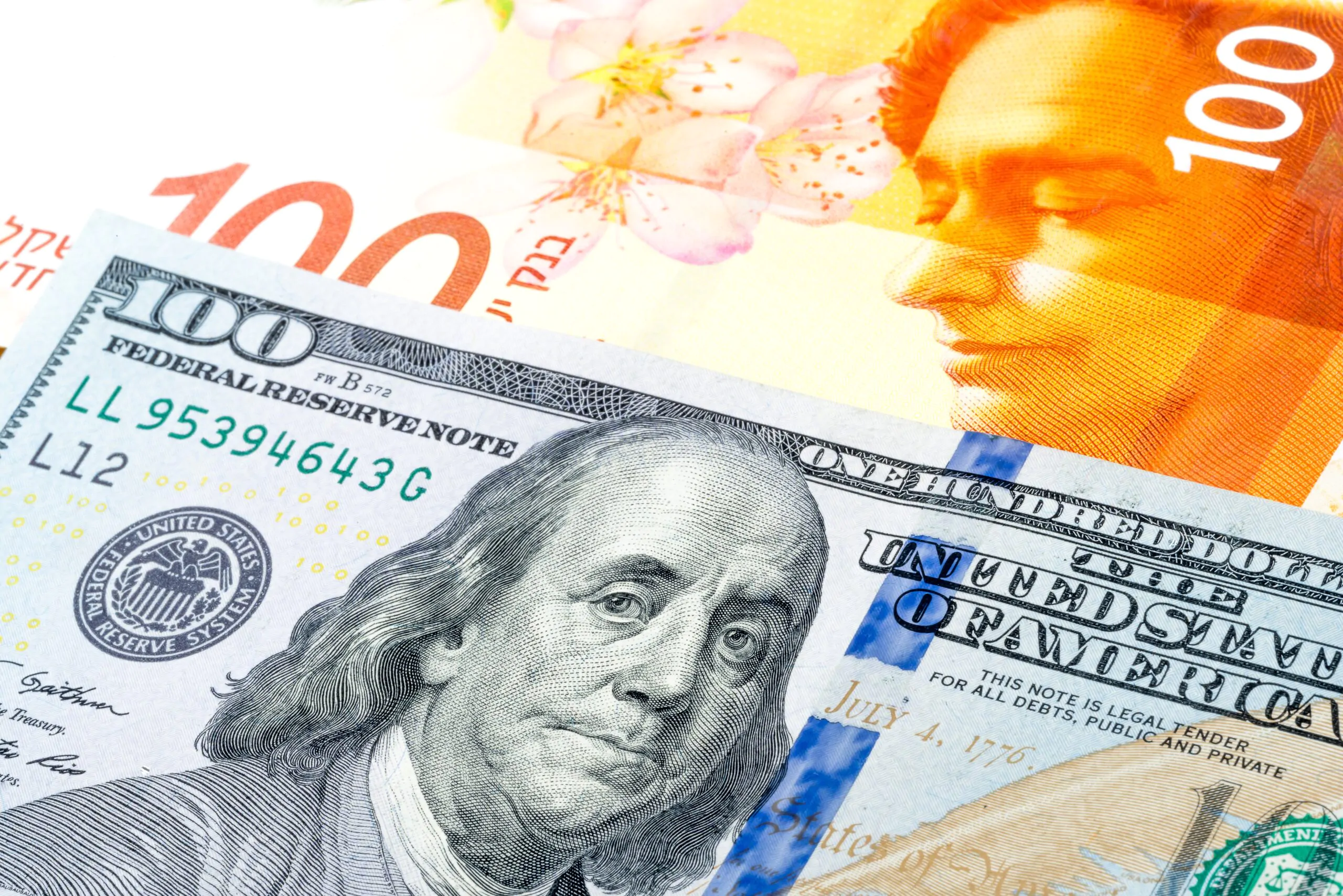
Surge Driven by Market Valuations, Offset by Government Activity
The rise in reserves this month was primarily due to valuation gains—an increase of about $2.4 billion in the market value of dollar-denominated investments. This gain was partially offset by approximately $855 million in foreign currency transactions initiated by the Israeli government.
Crisis Tool, Not a Rainy-Day Fund
These reserves are not meant for daily use. Rather, they serve as a strategic emergency tool. A prime example was during the COVID-19 pandemic, when the Bank of Israel deployed swap transactions to inject dollars into the market in response to an urgent liquidity crunch faced by institutional investors.
Over time, the reserves have grown as a response to large-scale capital inflows—driven by natural gas exports, tech-sector exits, and foreign investment. These actions were designed to prevent an excessive strengthening of the shekel and maintain macroeconomic balance.
Message to the World: Israel Is Financially Stable
As Israel navigates complex security challenges across multiple fronts, the new reserve figures send a powerful message: the country’s central bank is equipped to handle economic disruptions, and the Israeli economy has a robust financial cushion to fall back on in times of crisis.