

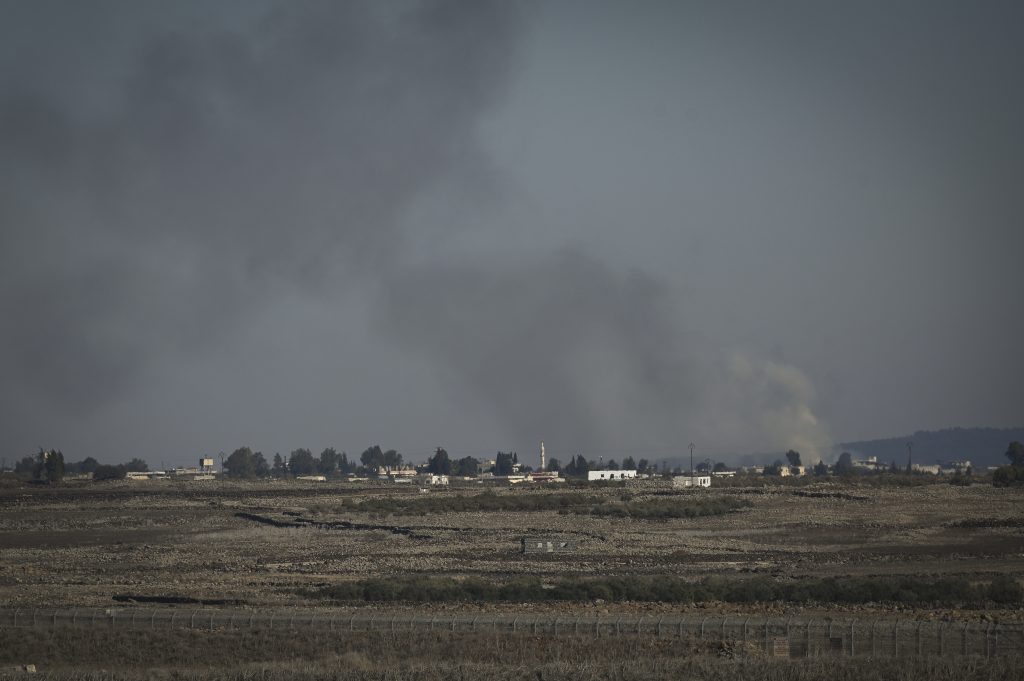
Early this morning (Tuesday), the Israeli Air Force targeted military sites remaining at the Tadmur and T4 airbases deep in Syrian territory. This strike is part of an ongoing IDF campaign aimed at infrastructure formerly controlled by the regime of Bashar al-Assad, meant to prevent the restoration of strategic capabilities that could pose a present or future threat to Israel.
Last week, the IDF reported the presence of weaponry in southern Syria that posed a threat to Israel and confirmed that the Air Force had conducted airstrikes to eliminate any potential military threats from Syria. This morning, the IDF reiterated that forces continue to operate relentlessly to “remove any threat to Israeli citizens.”
Watch footage from last week’s strike in Syria:
“Forces Continue to Operate and Will Continue to Do So”
On January 31, 2025, the first live fire incident occurred in the Syrian buffer zone since the fall of the Assad regime. The IDF spokesperson reported that gunmen had opened fire on Israeli troops operating in Syrian territory, and that Israeli forces had returned fire toward the source of the attack. The IDF emphasized then, as it does now, that “forces continue to operate and will continue to do so, to remove any threat.”
Ground Raids and the Battle for Strategic Depth
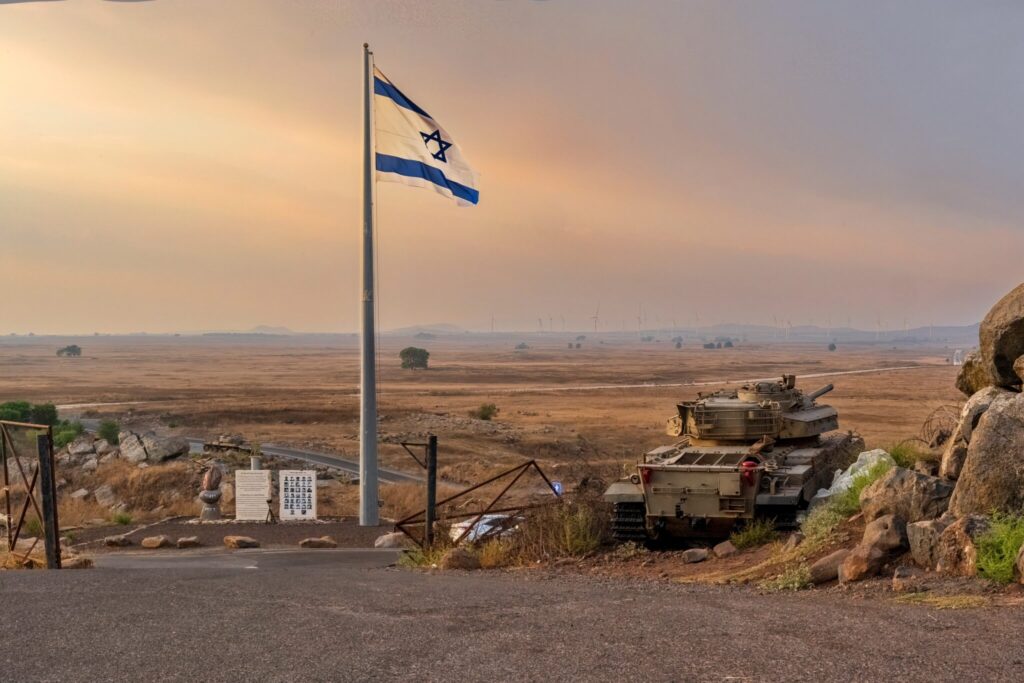
Alongside aerial strikes, the IDF has conducted ground raids in southern Syria over recent months. Military sources stated that the goal is to prevent hostile entrenchment in the area and to preempt any threats. A security official explained, “We have no intention of waiting for the enemy to get organized—we will strike first.” Infantry, armored forces, and the elite Yahalom combat engineering unit have operated inside enemy territory to locate weapons stockpiles and storage sites.
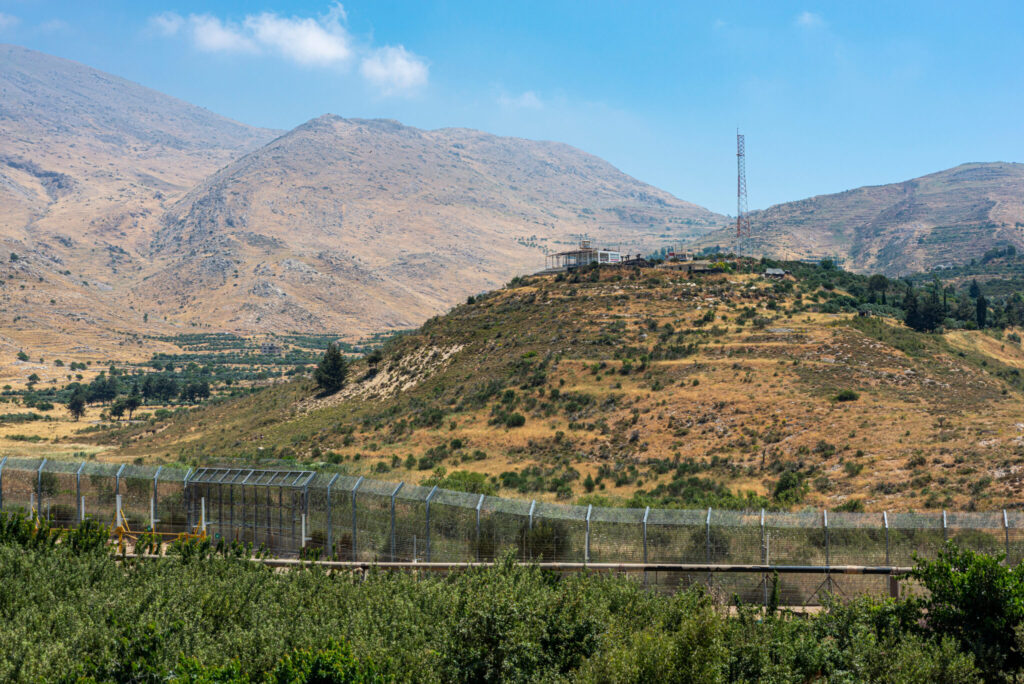
Accordingly, the current security policy designates southern Syria as a ‘security zone,’ with the stated objective of maintaining full Israeli operational freedom along the Syrian border and beyond. However, top security officials recognize the geopolitical complexities, particularly the tensions with the UN over Israeli activities near the Alpha Line, which could be interpreted as a violation of the 1974 disengagement agreement.
The prevailing assessment is that reports on Israel’s strategic operations in southern Syria, along with efforts to build ties with Kurdish and Druze forces, indicate a broader political vision that has yet to be publicly defined.
IDF in the Golan
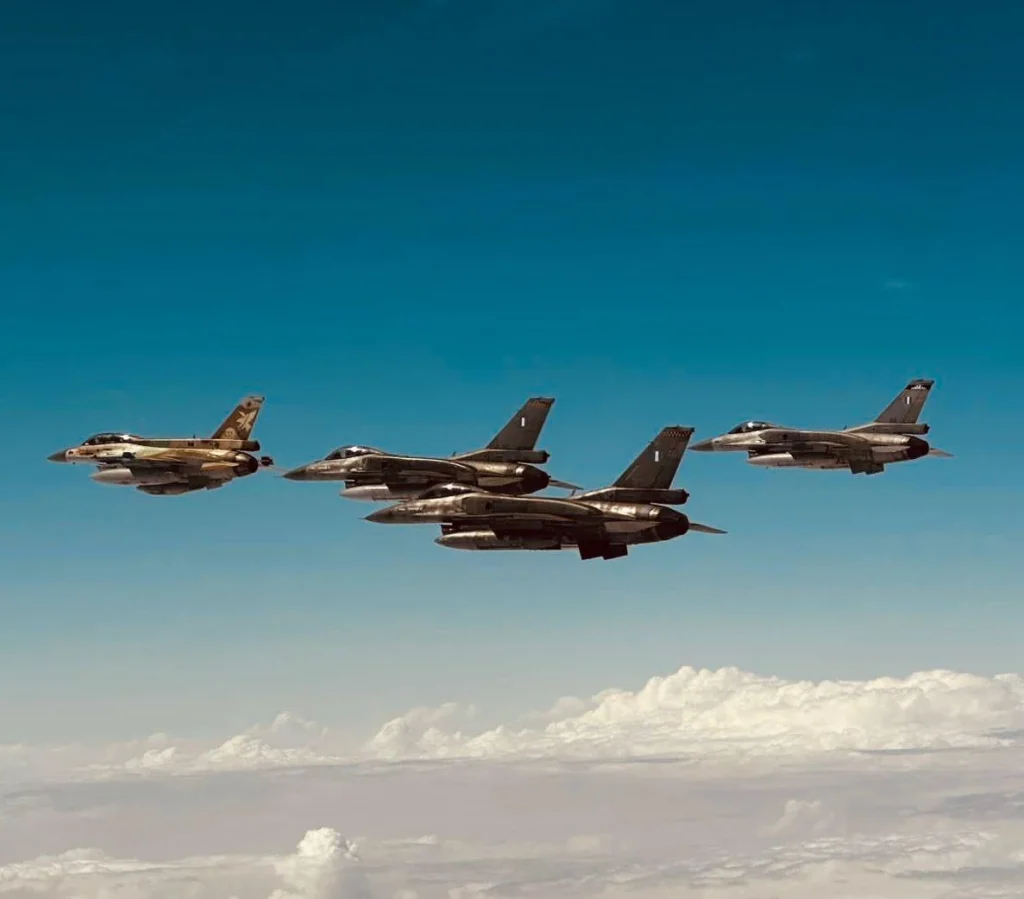
The IDF deployed forces in the Golan buffer zone immediately after the fall of Bashar al-Assad’s regime. The IDF explained that this deployment was in response to developments on the ground in Syria and intelligence assessments warning of potential infiltration by armed militants. Troops were stationed at several strategic points to ensure the security of Golan communities and northern Israeli residents. However, the IDF has clarified that while it would not intervene in Syria’s internal conflicts, it would continue to act as necessary to maintain stability in the region and safeguard Israeli citizens.