

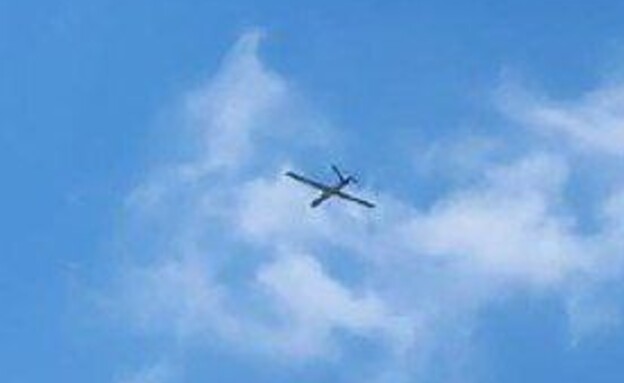
Israel’s Breakthrough in Drone Defense
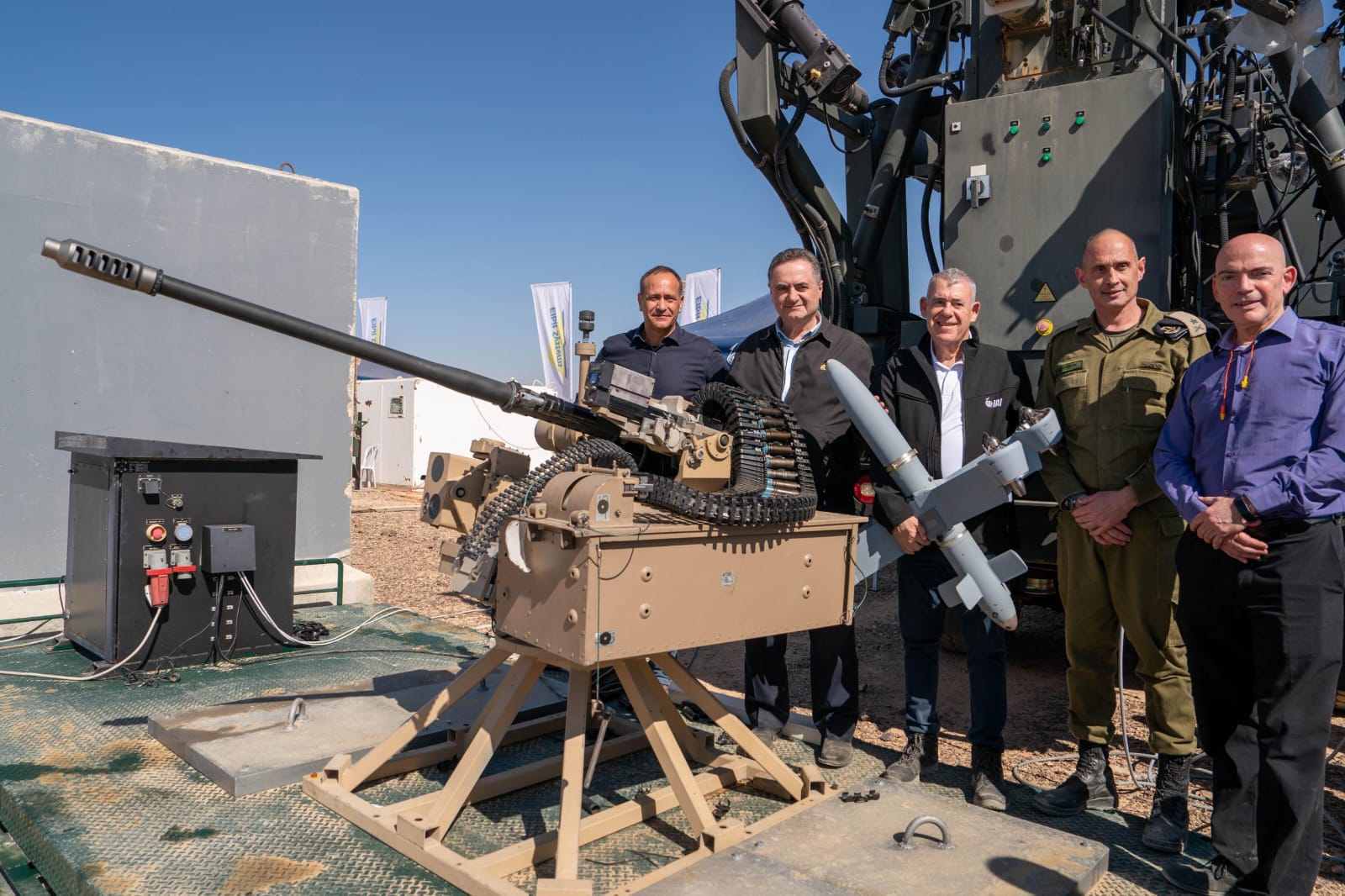
A major operational test conducted this week in southern Israel showcased the most advanced technologies for countering the growing drone threat. During the trial, which included participation from nine major defense industries and Israeli startups, interception capabilities at various ranges and speeds were demonstrated. Among the solutions presented were interceptor drones, radar-based interception cannons, and autonomous weapons systems.
The test is part of an accelerated competitive process led by the Ministry of Defense to integrate operational interception capabilities in a short timeframe. Defense Minister Israel Katz emphasized the strategic importance of enhancing Israel’s aerial defense: “Everyone has rallied to this mission, understanding that protecting Israel’s airspace is a top priority in the face of our enemies. We are committed to advancing and deploying new capabilities on the battlefield in the near future.”
Defense Industry and Innovation Collaboration
The collaboration between major defense industries and startups is generating cutting-edge technological responses. Notable developments demonstrated include:
Rafael: “Mini Typhoon” system for long-range aerial threat interception.
Elbit Systems: Interceptor drones and radar-integrated interception cannons for extended ranges.
Israel Aerospace Industries: Autonomous drone threat mitigation system with a sensor array.
Startups: Innovative solutions featuring precise projectile interception systems.
Brig. Gen. (Res.) Dr. Danny Gold, head of MAFAT (Administration for the Development of Weapons and Technological Infrastructure), stated that Israel’s national effort and technological capabilities will ensure a robust defense response to evolving threats: “The most successful solutions will now enter accelerated final development, led by MAFAT, and will be deployed operationally shortly thereafter.”
Preventing Further Hezbollah Attacks
As a reminder, during the war against Hezbollah, the terror organization managed to launch drones targeting Israeli defense facilities, often causing significant damage and destruction. One of the most well-known incidents was the drone strike on the Golani Brigade Training Base near Binyamina, which resulted in the deaths of four IDF soldiers and injuries to at least 61 others.
Hezbollah also managed to launch a drone attack on the residence of Prime Minister Benjamin Netanyahu in Caesarea, causing extensive damage. Netanyahu and his family were not present at the time of the attack.