
First Israeli Editorial in NEJM
Dr. Shahar Sheli, chairman of the Israel Neuromuscular Society and head of the neurology department at Rambam Health Care Campus, has made history by being invited to write the editorial in the New England Journal of Medicine (NEJM), the world’s most prestigious medical journal. While Israeli doctors have published research in the journal before, no Israeli had ever been chosen to author its lead editorial, which summarizes the cutting edge of medical knowledge.
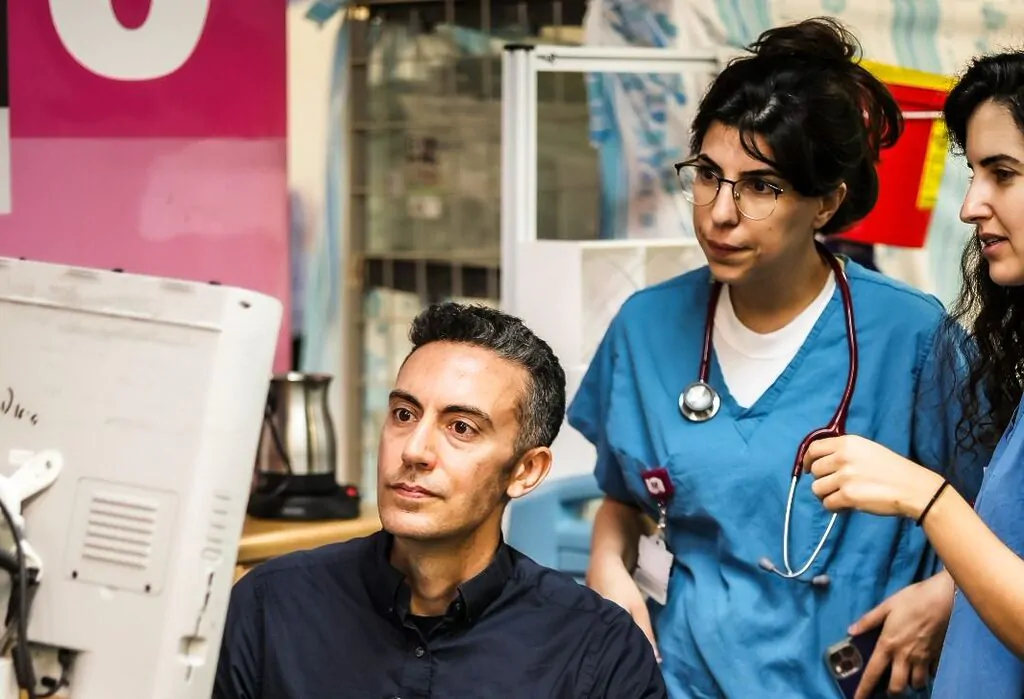
The article focuses on myasthenia gravis, a rare autoimmune disease in which the immune system attacks the connection between nerves and muscles, leading to severe muscle weakness that can impair walking, speech, swallowing, and even breathing. Around 1,500 patients in Israel live with the disease, facing significant challenges in their daily lives.
Together with American colleague Prof. Gil Wolfe, Dr. Sheli reviewed two innovative new treatments: Inebilizumab, a biological drug that reduces B cells producing harmful antibodies, and Nipocalimab, which recently received accelerated FDA approval. Clinical trials showed dramatic improvement in patients’ daily functioning, including reduced fatigue and better walking, speech, and eating.

Following publication, Dr. Sheli said: “The article reflects the dedicated teamwork at Rambam and our fruitful collaboration with experts in Israel and abroad. Our field is advancing at a tremendous pace, both in understanding biological mechanisms and in developing new treatments that bring real hope to patients.”
He also noted a pressing need: Israel has fewer than 20 specialists for all neuromuscular diseases. “There is an urgent need to train dozens and even hundreds of neurologists to specialize in subspecialties — from stroke and Parkinson’s to neuromuscular diseases,” he stressed.
Israeli Record at Hadassah: Nine Valve Replacements in a Single Day
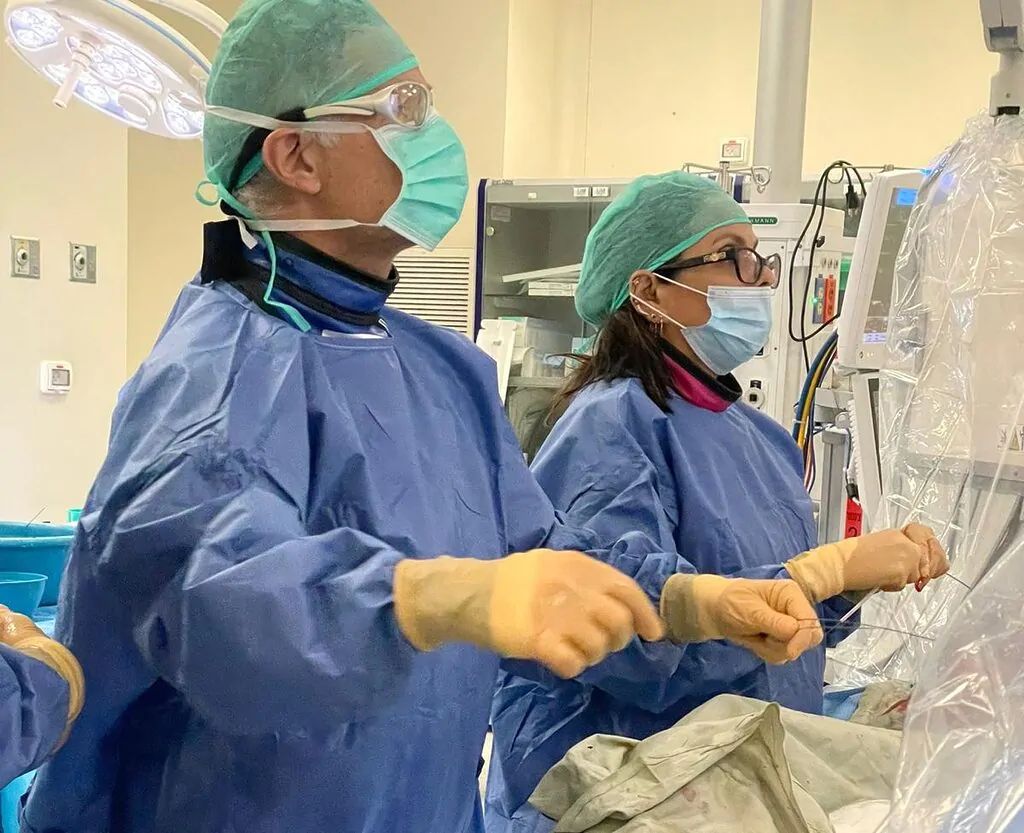
Another major medical milestone was set this week at Hadassah Ein Kerem Hospital, where the cardiology team performed nine transcatheter aortic valve replacement (TAVR) procedures in just 24 hours — triple the usual daily number in Israel. All patients were in critical condition, and every procedure was successful, with patients discharged soon afterward.
The minimally invasive TAVR procedure replaces the aortic valve via catheterization rather than open-heart surgery, dramatically shortening recovery time. The team, led by Prof. David Planer and Prof. Gabi Elbaz-Greener, carried out the unprecedented number of procedures using cutting-edge technology.
Prof. Ofer Amir, head of Hadassah’s cardiology department, noted: “The clustering of so many urgent cases in one day reflects the growing number of patients arriving for treatment. By the end of the day, all nine patients were safely discharged, and the team finished with great satisfaction.”

Prof. Planer explained: “Symptomatic aortic stenosis is a life-threatening disease. In recent decades, groundbreaking technology has enabled valve replacement by catheter with excellent results, and we use it extensively at Hadassah. On that day, all cases were urgent, so despite the workload, we chose to proceed rather than delay treatment.”
New Hadassah Innovation to Stop Severe Bleeding
At the same time, Hadassah announced another breakthrough: ClearPlasma, a device developed under Prof. Abed Elrauf Hijazi, head of clinical biochemistry and laboratories at Hadassah, which helps stop severe bleeding — one of the leading causes of death among young people and trauma patients.
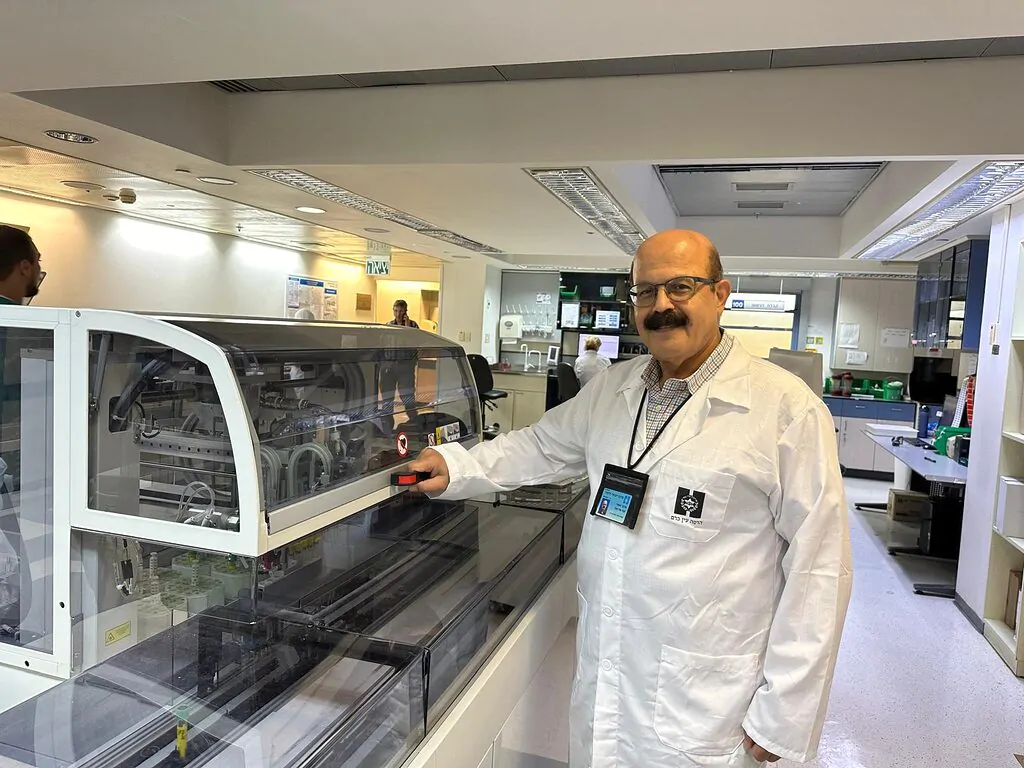
ClearPlasma processes human plasma — a key component of blood — by removing proteins that break down clots, enabling faster and more stable clot formation. The device works at the patient’s bedside or in blood banks without delaying treatment and without side effects. It has already received preliminary approval for use in Israel and is on track for European approval.
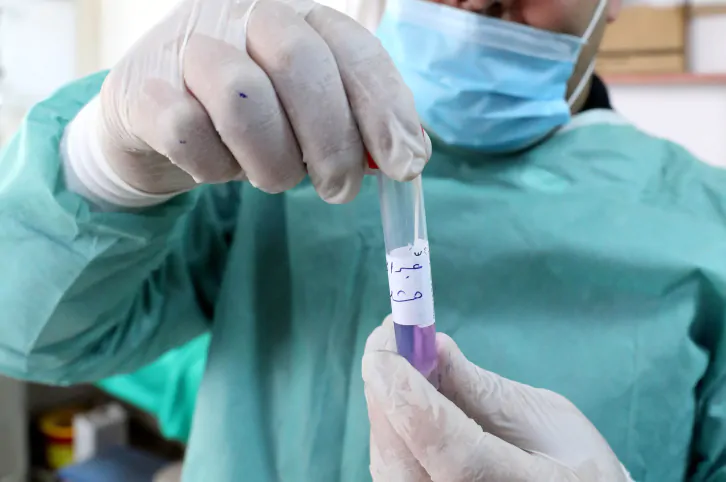
In trials in Israel and Europe involving about 200 patients, ClearPlasma reduced the need for additional plasma and blood transfusions and often prevented massive bleeding — with no reported side effects. Upcoming studies are planned in the United States, aiming to introduce the technology into hospitals, ambulances, and even battlefield medical units.
Together, these advances highlight Israel’s growing role at the forefront of global medical innovation.