
Amid a rise in measles cases across the country, the Ministry of Health issued a warning on Monday about the highly contagious disease, which can lead to severe complications and even be life-threatening. Measles spreads easily through direct contact or by staying in a room where an infected person has been. To prevent infection, it is important to get vaccinated and maintain proper hygiene.
How is measles transmitted?
Measles is one of the most contagious diseases in the world. The virus is spread from person to person through coughing, sneezing, or contact with nasal or throat secretions. It’s also possible to become infected simply by staying in a room where a measles patient has been, for up to two hours after they’ve left. Infection can also occur through touching contaminated surfaces and then touching the eyes or mouth.
The risk of infection is especially high among the unvaccinated—over 90%. That means 9 out of 10 unvaccinated people who are exposed to someone with measles are likely to get infected.
How can you tell if you’ve been infected?
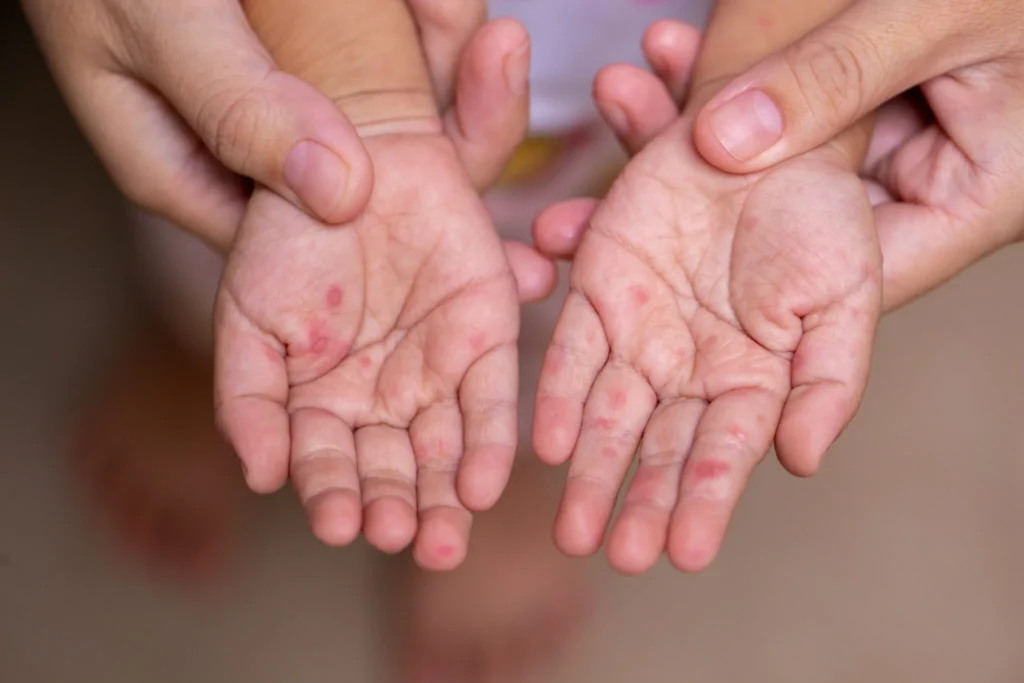
Symptoms usually appear 10 to 14 days after exposure to the virus, though the range can vary between 6 and 21 days. Symptoms include high fever, runny nose and cough, sore throat, red eyes, a red rash that begins at the neck and spreads to the face, body, and limbs, and small white spots on the inside of the cheeks (known as Koplik spots). In severe cases, measles can lead to pneumonia, encephalitis, and even death.
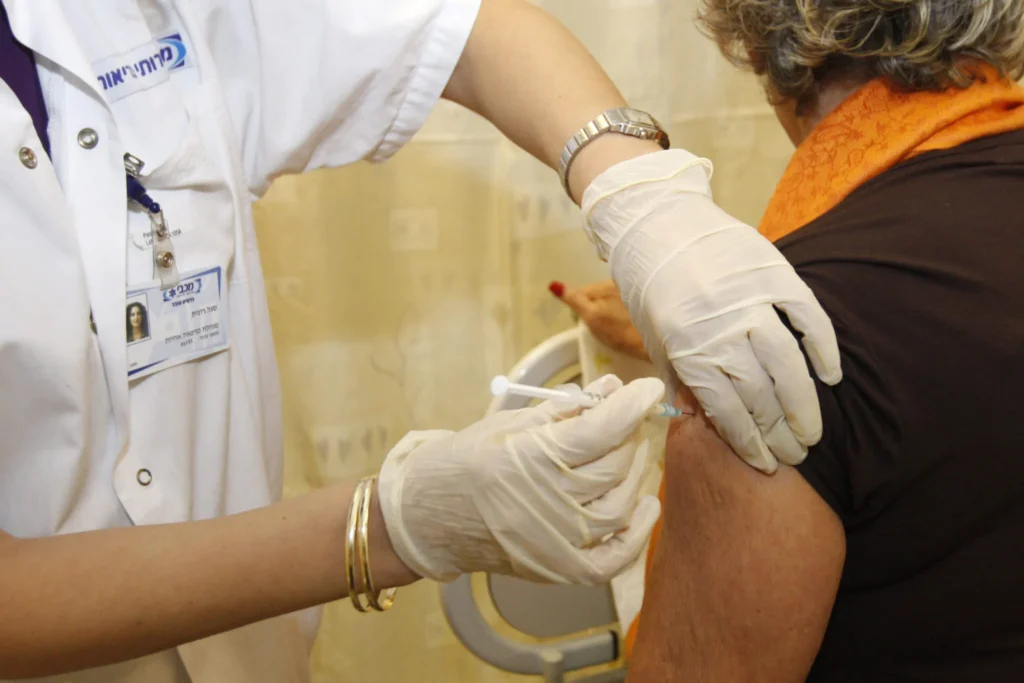
The measles vaccine is generally administered in two doses after the age of one, with four weeks between doses. People born before 1957 are considered immune, as are those who have already had the disease. Children who received the vaccine before turning one are required to complete the full vaccination. If there is concern about possible exposure, it is recommended to contact your local health office. If the exposure occurred recently, receiving the vaccine within 72 hours may prevent the disease or lessen its severity.
What to do if you’ve been exposed?
If you’ve been exposed to someone with measles, contact your local health office immediately. In some cases, a vaccine can be given within 72 hours, or passive immunization (immunoglobulin) within six days, for individuals who cannot be vaccinated—such as infants, pregnant women, and people with weakened immune systems.
Where to get vaccinated
Children up to age 6 receive vaccinations at Tipat Halav (family health clinics) free of charge. Students in grades 1 through 9 are typically vaccinated through the school health services, and students in grades 9 through 12 at district health offices. Unvaccinated adults over the age of 18 can receive the vaccine at travel clinics or through their HMO, with a co-payment.
There is no restriction on traveling abroad, but the Ministry of Health recommends getting vaccinated according to the guidelines. If you were exposed to the virus while traveling, contact the local health office for guidance.