


Israel’s meat alternatives sector has grown rapidly in recent years, with many Israeli companies developing cutting-edge food solutions that prioritize sustainability, health, and reduced environmental impact. These efforts are part of a global shift toward finding plant-based or synthetic substitutes that replicate the taste and nutritional profile of meat.
Between Tradition and Innovation in the World of Alternative Proteins
One of the most iconic features of Israel’s Independence Day celebrations is, without a doubt, the smell of barbecues wafting through the air.
But as conversations around health and sustainability gain momentum, Israeli company BioMeat is standing out as a pioneer in foodtech. A publicly traded R&D partnership listed on the Tel Aviv Stock Exchange, BioMeat invests in and promotes breakthrough Israeli startups in the alternative protein space—paving the way toward a new direction in both local and global food production, and potentially reshaping what our holiday plates will look like in the future.
“Our vision is to lead investment in the alternative protein sector, which includes cultured meat, meat substitutes, and broader food technologies,” says attorney David Cohen, co-founder of BioMeat FoodTech, a prominent player on the Tel Aviv exchange. As part of its plan for global expansion, BioMeat aims to leverage its local success and take a significant step onto the international stage by entering the U.S. stock market.
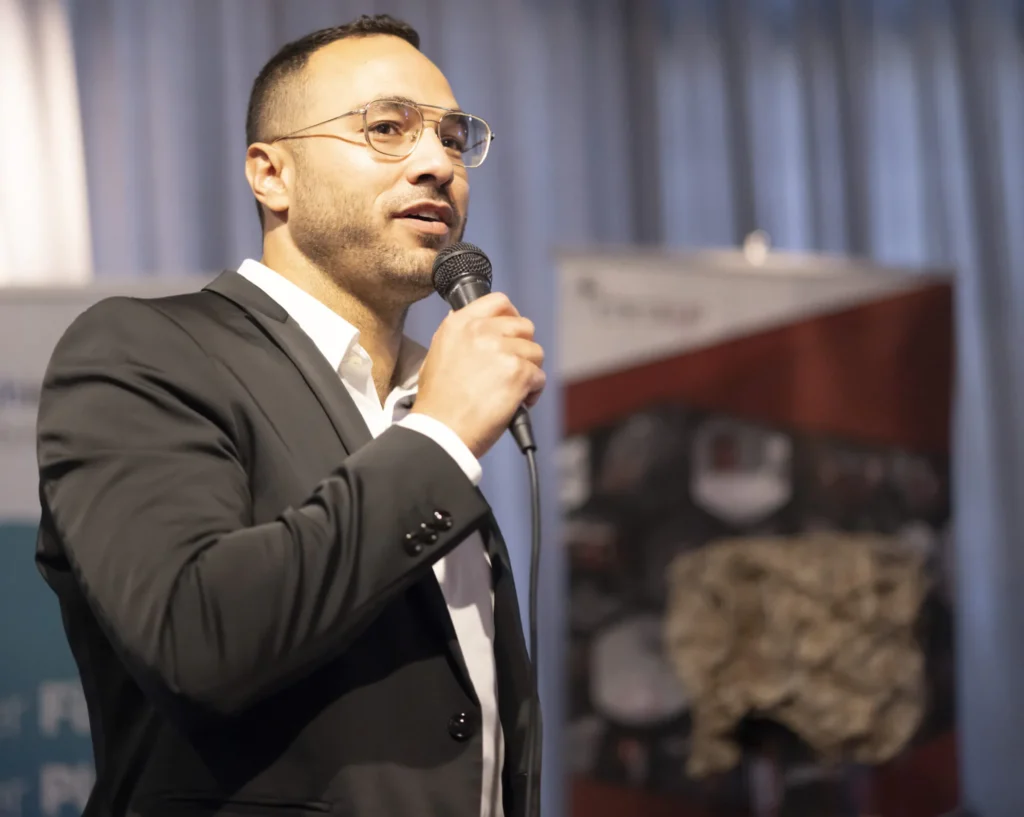
At the Forefront of Innovation
BioMeat has invested in several Israeli companies developing unique solutions in the field of meat alternatives:
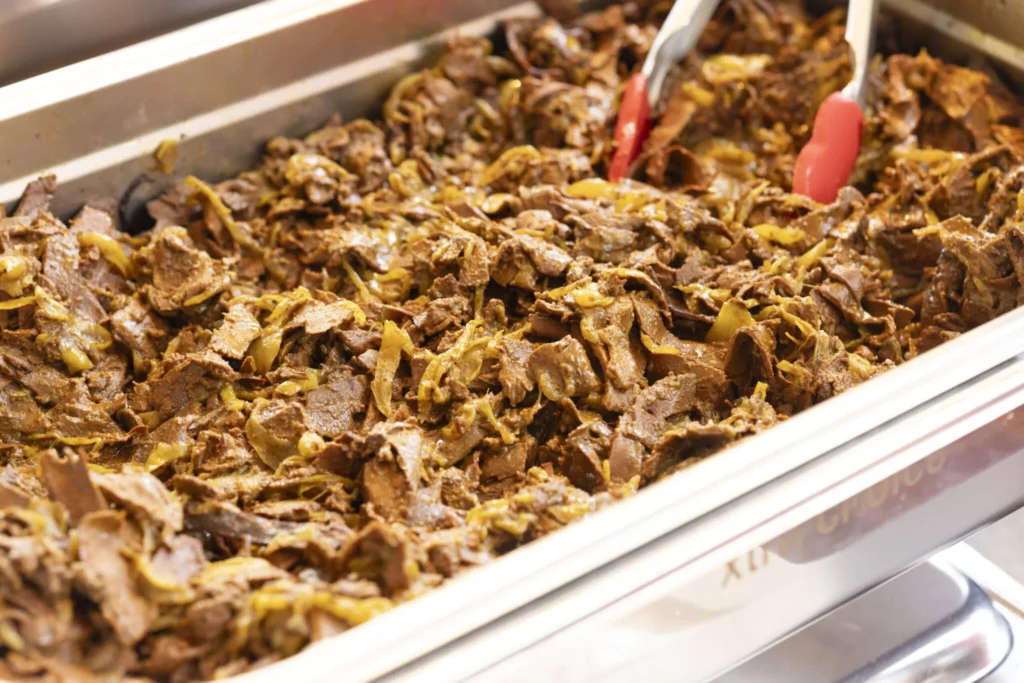
- RILBITE focuses on plant-based meat substitutes, emphasizing high nutritional value and rich flavor. Their products are high in protein and contain no processed ingredients.
- More Foods develops meat alternatives using plant-based proteins and innovative ingredients sourced from the edible oils industry. Their products are known for their high protein content and nutritional richness.
“Most of the meat alternatives available today—both in Israel and abroad—haven’t paid enough attention to health,” says Cohen. “We focus not only on delivering the taste of traditional meat but also on using healthy, unprocessed ingredients.” He adds, “Many of our products are already available to the public and serve as a real alternative to conventional meat.”

A Global FoodTech Capital
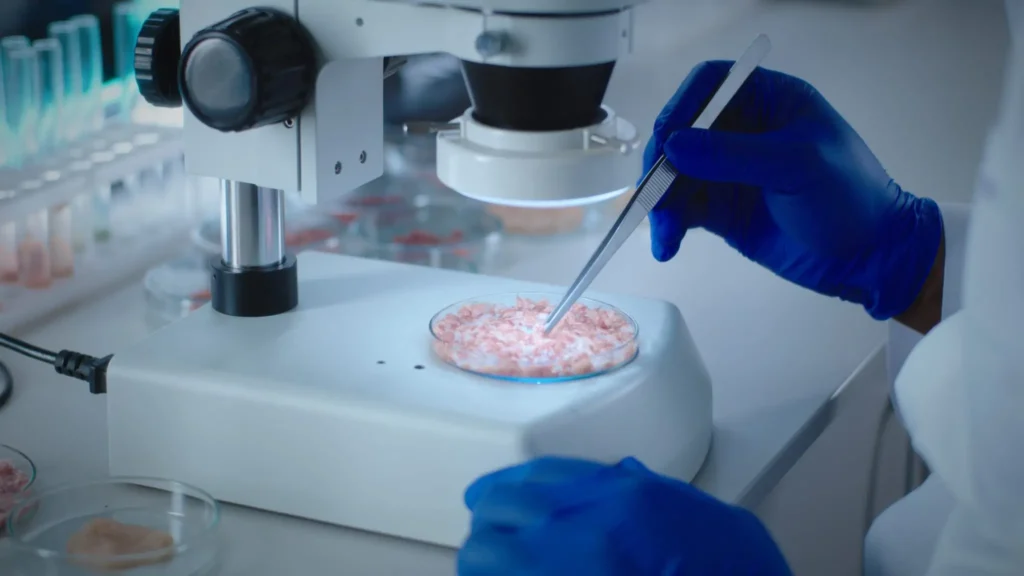
Beyond plant-based products, BioMeat is also investing in cultured meat—meat grown in a lab from animal cells. This area is at the forefront of global food innovation, and Israel plays a leading role.
“Israel could be considered the world’s foodtech capital—there are so many companies innovating in this space,” says Cohen.
One of the industry’s biggest challenges is the high cost of producing meat alternatives compared to traditional meat. Cohen is confident that breakthroughs in cost-efficiency are coming, and he believes that cultured meat will soon become a staple on the Israeli dinner table.
Not Just Meat
In addition to its investments in plant-based and cultured meats, BioMeat has also invested in EFISHient Protein, a company developing cultured fish products for human consumption. A prototype for these products already exists.
In 2024, the global meat alternatives market was valued at $9.94 billion and is expected to reach $17.23 billion by 2028, with an average annual growth rate (CAGR) of 14.7%.
Israeli Innovation Leading the Way
Israel’s progress in the field of meat alternatives puts it at the cutting edge of global food innovation. These developments reflect a global shift toward healthier, more sustainable eating habits that minimize environmental harm.
Israeli companies are not only creating high-tech food solutions—they’re also delivering environmentally friendly alternatives that preserve taste and nutrition while protecting the planet.

A Vital Environmental and Health Solution for the Future
Meat alternatives provide a key response to the environmental and health impacts of traditional meat production. According to the UN Food and Agriculture Organization (FAO), the meat industry is responsible for about 14.5% of global greenhouse gas emissions—more than the entire transportation sector.
The meat industry also consumes about 70% of global agricultural resources, including land and water, while harming biodiversity and contributing to deforestation. Plant-based or synthetic substitutes could significantly reduce the need for grazing land and animal farming, helping to cut emissions, conserve resources, and protect ecosystems.
On the health side, research has linked processed meat consumption to increased risks of chronic illnesses like diabetes, heart disease, and cancer—making the need for safer, healthier alternatives more urgent.
Israel Is Shaping the Future of FoodTech
As we approach Independence Day—a celebration not only of national sovereignty but also of Israeli creativity and innovation—the meat alternatives sector offers a vivid example of this pioneering spirit.
Across the country, many companies—some backed by groups like BioMeat—are developing a wide range of solutions that offer tasty, healthy alternatives to the traditional barbecue. These breakthroughs may soon reshape our consumption habits and add new flavors to our holiday traditions.
By Uriel Jemal