

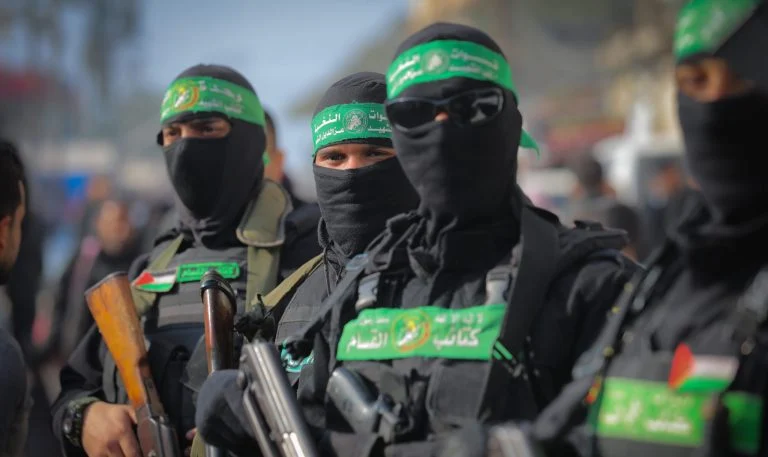
The Hamas terror organization is facing a deepening crisis: a severe cash shortage that is preventing it from paying salaries to its fighters and senior operatives. According to a report published today (Thursday) by The Wall Street Journal, Israeli actions in recent months have severely damaged Hamas’s funding channels and disrupted its ability to distribute money throughout the Gaza Strip.
Salaries Have Nearly Stopped Entirely
Israel recently halted the flow of humanitarian aid into Gaza — aid that, according to Arab, Israeli, and Western sources, Hamas had regularly diverted to sell on the black market. In parallel, the IDF has eliminated senior Hamas operatives responsible for financial transfers, forcing others to go underground.
Intelligence sources report that operatives and government workers in Gaza have stopped receiving salaries. Some senior Hamas members were paid only half their wages during the last month of Ramadan. Low-level operatives had been receiving around $200–$300 a month, but those payments have virtually ceased. Eyal Ofer, a researcher specializing in Gaza’s economy, explained: “Even if Hamas has access to large sums of money, it has almost no way to distribute them in the field without becoming an obvious target for the IDF.”
Hamas Looking for Alternatives
The Wall Street Journal noted that prior to the war, Hamas received $15 million per month from Qatar, along with additional funding from Turkey, West African countries, and parts of South Asia. At one point, the group reportedly had financial reserves totaling around half a billion dollars — most of it held in Turkey. But since the start of the war, Israel has significantly restricted the flow of cash into Gaza, forcing Hamas to seek alternative revenue sources.
Palestinian sources say Hamas withdrew $180 million from local banks in Gaza at the beginning of the war. The group also used humanitarian supplies to impose taxes, collect customs duties, and resell items in local markets. In addition, it imported goods using funds from abroad and sold them within the Strip.
Recruitment and Cohesion Becoming Difficult
According to intelligence officials, Hamas’s cash flow crisis worsened until the ceasefire in January, when large-scale aid briefly entered the Gaza Strip. But since March, with the border once again closed to incoming goods, the economic collapse has returned in full force.
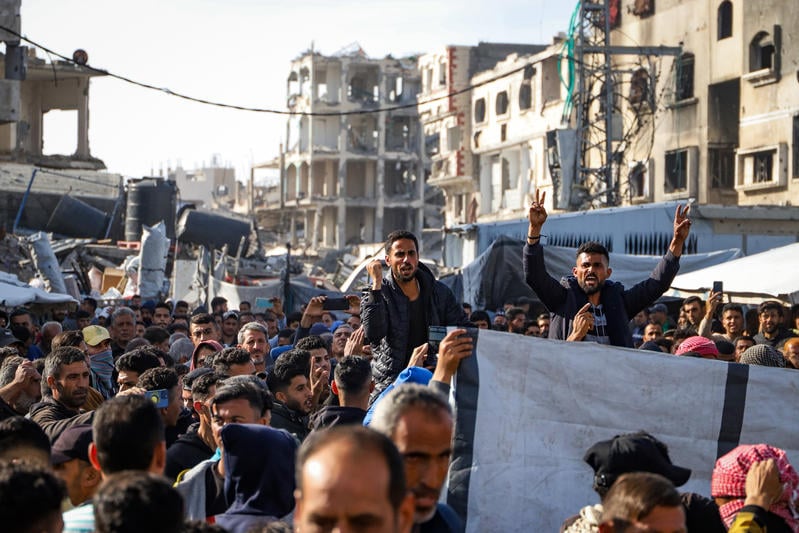
Salary cuts have made it more difficult for Hamas to recruit terrorists and preserve internal cohesion, leading to rare public protests in Gaza. Civilians are also suffering: banks and ATMs have shut down, and fees for converting foreign currency are soaring.
The Bank of Israel has also stopped sending new banknotes into Gaza, giving rise to a new phenomenon — “cash repair”: workshops where damaged bills are washed, taped, and put back into circulation.
The signs are clear: Hamas, once reliant on a cash-based economy, is now losing not just its ability to pay — but also its organizational unity, the motivation of its members, and its economic control over the territory.