

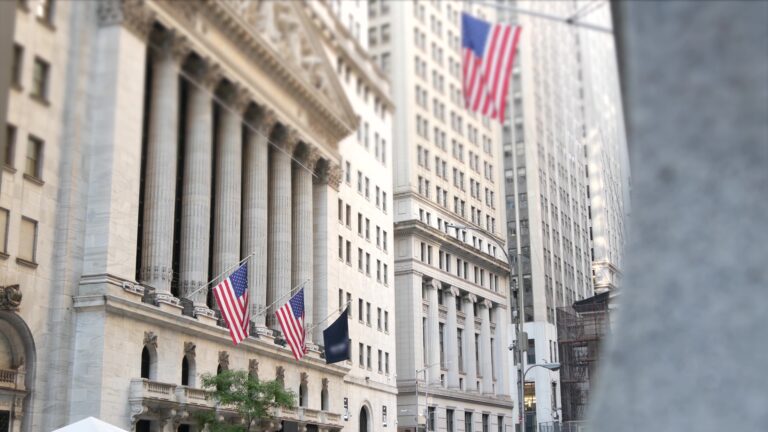
U.S. President Donald Trump announced last night a 90-day freeze on tariffs for most countries around the world—with one major exception: China. In contrast to the freeze, Trump raised the tariff on Chinese imports to 125%.
In an official statement, Trump explained that 75 countries had reached out to the U.S. to initiate negotiations, and since none had responded with hostility, the administration chose to temporarily suspend the tariffs and implement a mutual reduction to 10%—effective immediately.
Markets React with a Historic Rally
The news sent financial markets soaring: the S&P 500 posted a sharp 9.5% gain—its strongest one-day performance since the 2008 financial crisis. The Nasdaq rose even higher, jumping 12.16%, its biggest single-day surge since 2001.
Chinese Yuan Hits 17-Year Low as Beijing Responds
At the same time, the Chinese yuan fell to its lowest level since 2007, following the increase in tariffs. China’s central bank responded by lowering the official exchange rate for the sixth consecutive time.
Trump described the decision as a direct response to what he called “China’s disregard for global markets.” He declared: “The days when China took advantage of the United States and its partners—are over.”
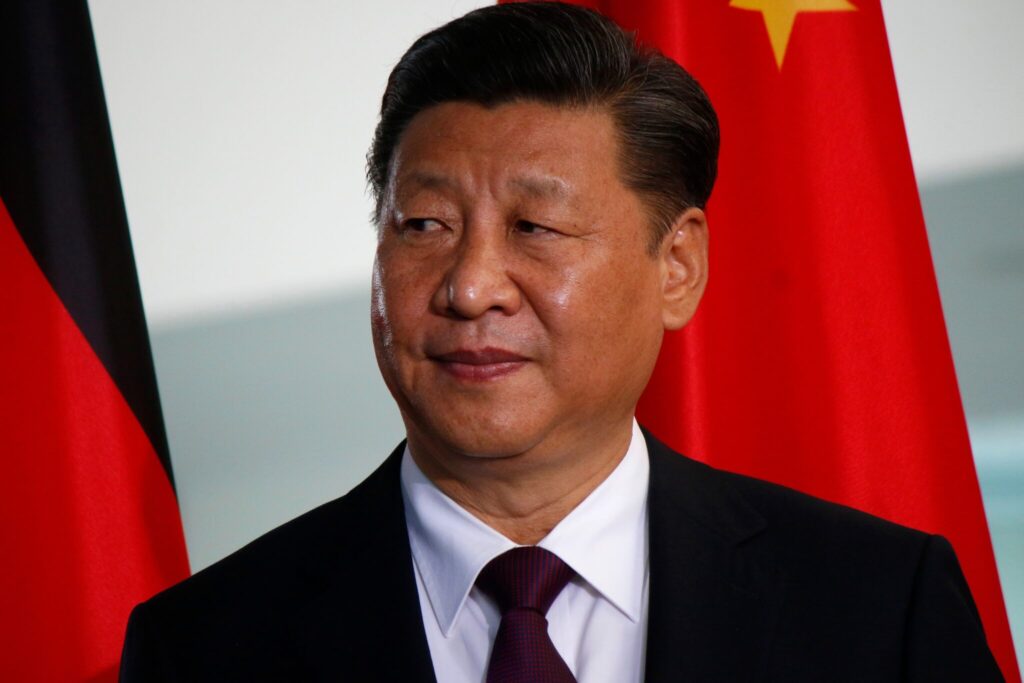
According to Bloomberg, China’s top leadership is expected to hold an emergency meeting today to discuss its response to the tariff hike and explore measures to stabilize the national economy.
China and the U.S.—Economic Rivals with Similar Goals
China has been a dominant force in global trade for years, maintaining its position as the world’s leading exporter. In recent years, especially under President Xi Jinping’s “dual circulation” strategy, China has sought to boost domestic production for local consumption while still preserving its global manufacturing role.
Now, the United States is adopting a similar approach. Both nations, for their own reasons, are shifting toward economic policies that favor domestic manufacturing and consumption over dependence on imports.
Tariffs on Israel Too—and the Dollar Climbs
Israel was not exempt from the new tariff structure. A 17% duty has been imposed on Israeli exports to the U.S. The move has already impacted currency markets, with the U.S. dollar rising above 3.8 shekels for the first time since October 2024.
The White House press secretary commented on the announcement, saying: “We were flooded with requests from all over the world. We will continue with a 10 percent universal tariff policy, subject to negotiations.”