

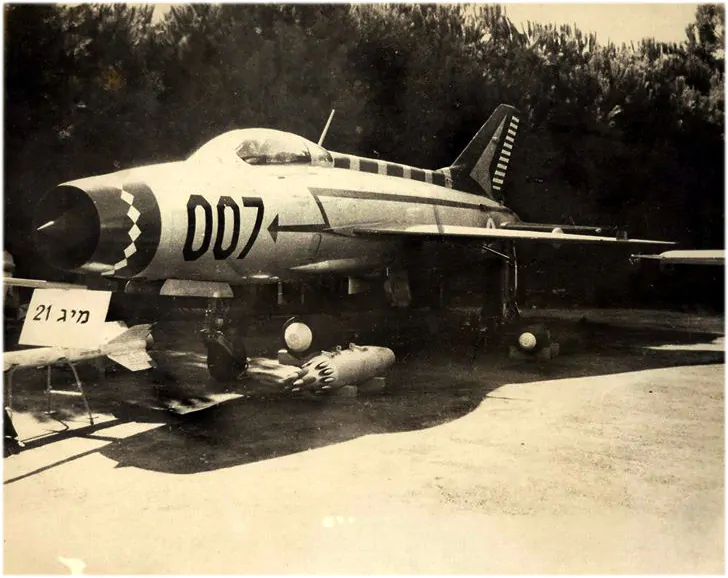
What Was the MiG-21?
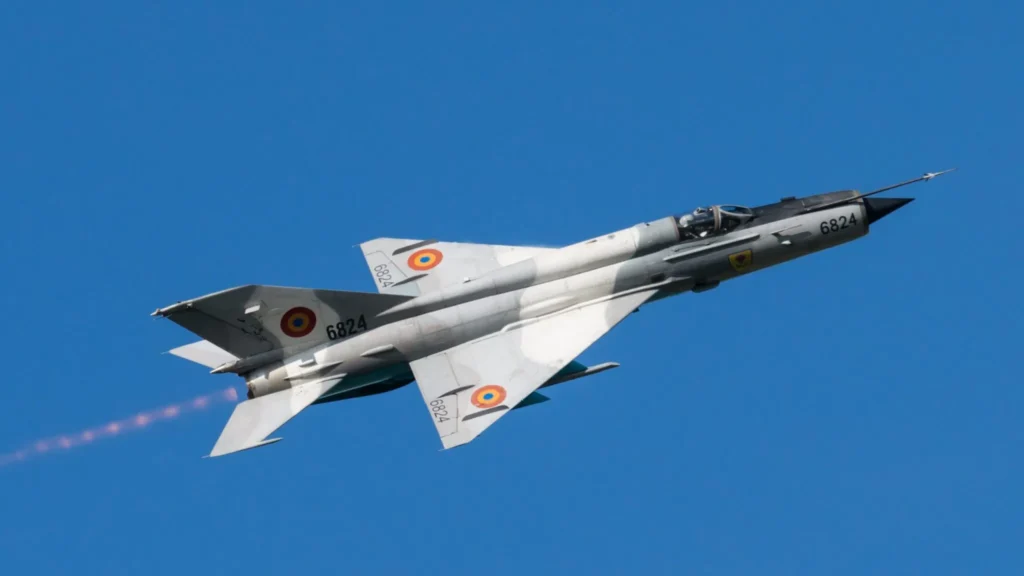
The MiG-21 was the most advanced Soviet fighter of the 1960s – a lightweight, supersonic aircraft with a delta wing, designed to combine interception and attack capabilities, a groundbreaking concept at the time. Despite its relatively weak engine, its aerodynamic design and afterburner enabled it to reach Mach 2, putting it on par with the American Starfighter and the French Mirage.
More than 60 countries purchased the MiG-21, making it the most widely used fighter model in the decades after World War II.
The Christian Pilot
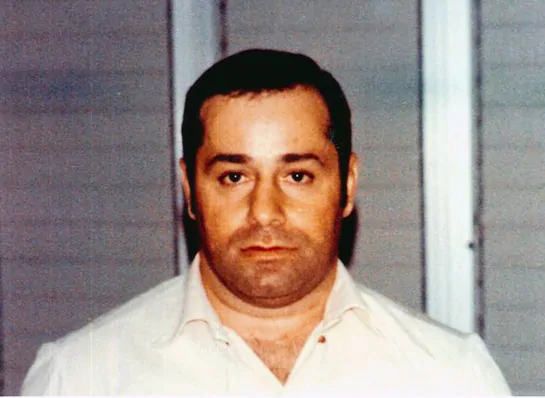
Munir Redfa, a Christian Iraqi Air Force captain and deputy squadron commander, flew MiG-21s but was blocked from further promotion due to his faith. Burdened by guilt over bombing missions against Kurdish civilians in northern Iraq, he sought to escape the regime.
In secret contacts with the Mossad, Redfa offered to defect to Israel with his jet, in exchange for safe passage for his family to a Western country and financial support. His MiG bore the tail number 007 – a detail later seen as symbolic because of its association with fictional spy James Bond.
Weizman Asked for a MiG – and That’s What he Got
Operation Diamond was born in a meeting between Air Force Commander Ezer Weizman and Mossad chief Meir Amit. Weizman asked for a MiG-21 – and Amit delivered.
On August 9, 1966, Redfa sent an encrypted message to the Mossad saying he was ready. Israel Radio’s Arabic broadcasts gave him the signal to defect. On August 14, he took off with his MiG but returned due to a technical issue. Two days later, he tried again – and within an hour crossed into Israeli airspace.
Air Force Squadron 119 commander Ran Pecker and his deputy Shmuel Shper were scrambled from Tel Nof, unaware the MiG was friendly. Spotting it south of Ashdod at 20,000 feet, they were ordered to escort – not fire. The plane landed safely at Hatzor Airbase.
Publicly, Israel released a cover story: Redfa had defected on his own initiative, citing his refusal to continue bombing Kurds. At a press conference, he read from a letter pre-written by Mossad operatives.
Munir Redfa – A Shadowed Life
Although the operation succeeded, Redfa struggled to adapt. He repeated the cover story but never found peace. He later moved with his family to Europe, where he died of a heart attack in 1998. Brig. Gen. Sheike Barkat, who was directly involved in his recruitment, recalled: “Someone who betrays his homeland – even for moral reasons – never finds peace.”

The Iraqi MiG and the U.S. Arms Embargo
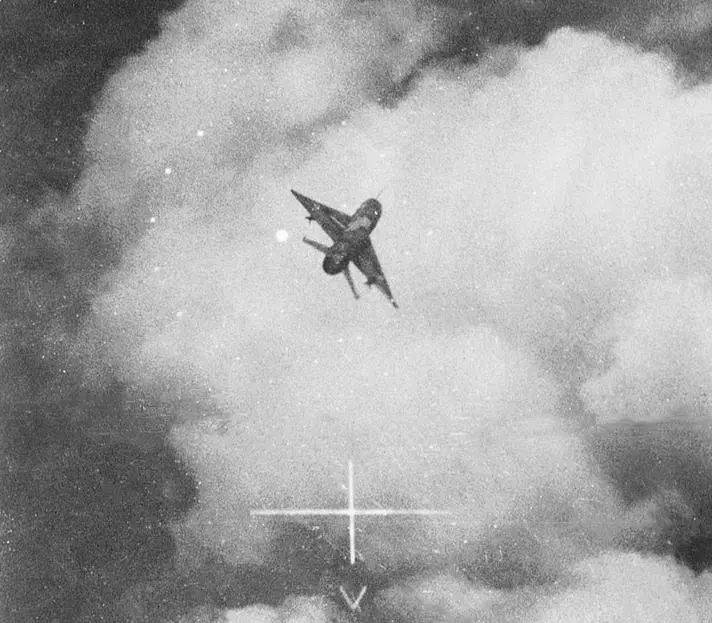
Redfa brought with him a MiG-21 manual and assisted Israeli crews in maintaining the jet despite the lack of Soviet support equipment. Test pilot Danny Shapira was the first to fly it, followed by mock dogfights against Israel’s top pilots – including Herzl Bodinger, Ran Pecker, and Asher Snir.
The exercises exposed the MiG’s weaknesses: poor maneuverability at high speeds and limited cockpit visibility – information that proved decisive in the dogfights of the Six-Day War the following year.
The aircraft was painted red and white for identification, used for training and demonstrations, and even briefly armed for operational readiness, though it was never scrambled. Maintaining a Soviet jet without technical infrastructure was considered a major achievement.
Impact on the Arms Embargo
In 1968, Israel transferred the jet to the United States, where it was tested for three months at the secret “Area 51” base. Former Mossad chief Efraim Halevy later said the capture of the MiG significantly influenced the U.S. decision to lift the arms embargo on Israel – a strategic turning point that reshaped Washington-Jerusalem relations to this day.