
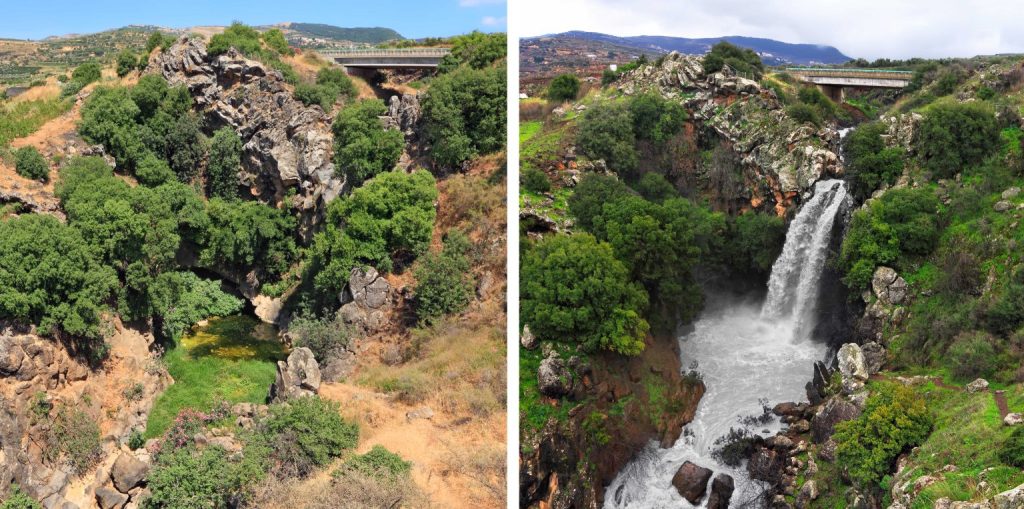
Although the current season is being described as the driest in the past 100 years, past patterns indicate that prolonged dry spells have often been followed by unexpectedly wet and stormy periods.
Meteorologists explain that February and March still have the potential to bring significant rain, as many of Israel’s strongest winter storms tend to arrive late in the season, sometimes with dramatic intensity.
1991–1992: From Drought to Record Rainfall
The winter of 1991–1992 remains one of the wettest and coldest ever recorded in Israel. Before it began, the country had endured three consecutive drought years, leading to a severe drop in the Sea of Galilee’s water levels and a national water crisis.
However, the winter started late and dry, with significant rain and snowfall only arriving at its peak. During the season, northern Israel received over 1,000 mm (39 inches) of rainfall, while central and southern regions experienced flash floods and urban flooding. Cities such as Tel Aviv and Haifa saw waterlogged streets, and the Dead Sea, which typically suffers from evaporation, rose substantially.
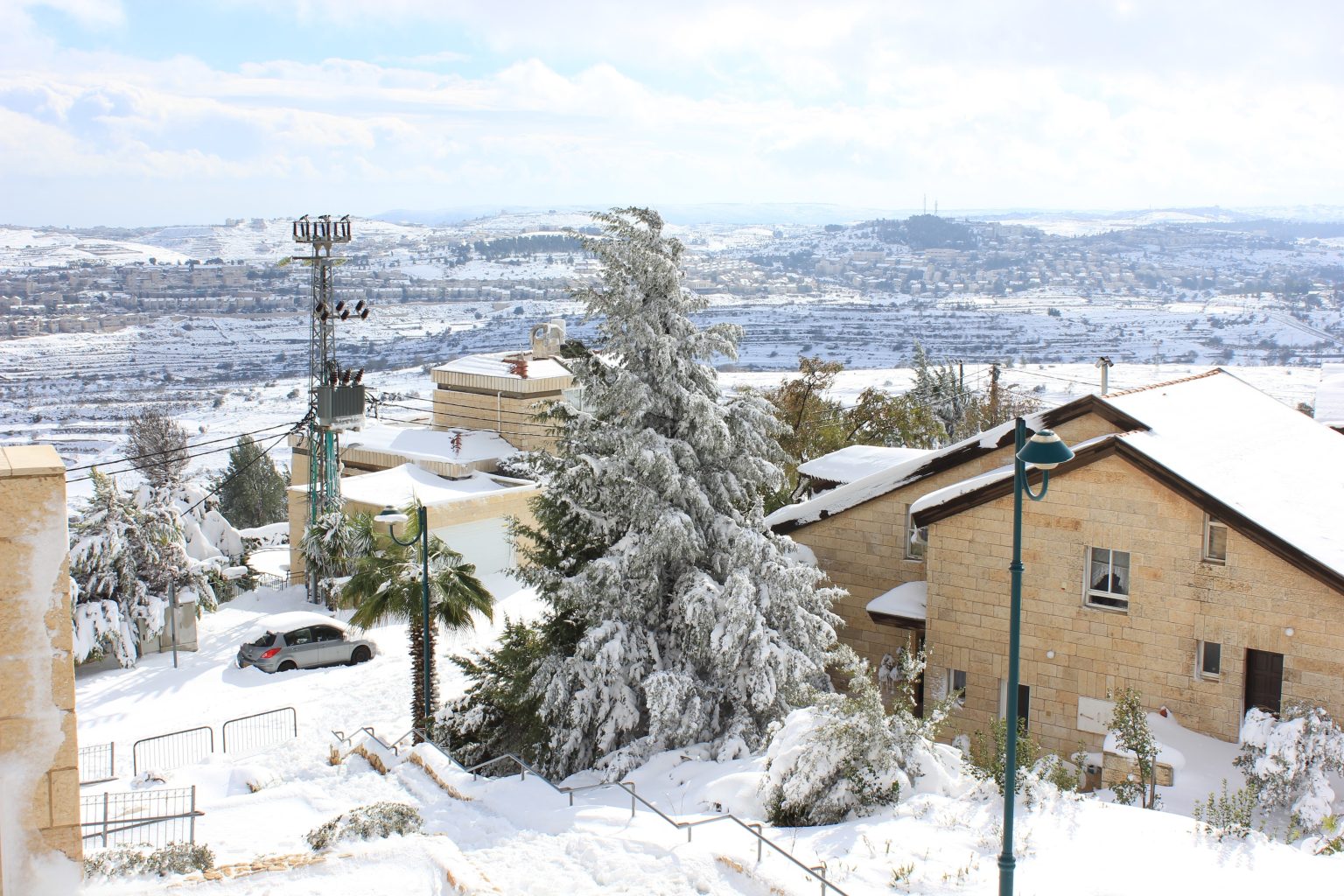
Heavy snowfall covered large areas, including Jerusalem and the Negev Desert, significantly improving the national water reserves.
2013: A Surprise Storm After a Dry Start
Similarly, the winter of 2013 began with low rainfall, particularly in northern Israel, where conditions were severe enough to be classified as an “agricultural drought.” Meanwhile, the southern regions experienced precipitation closer to their annual averages.
Then, unexpectedly, Israel was hit by a major storm known as “Alexa,” which brought torrential rain and heavy snowfall to mountainous regions, including Jerusalem and Safed. The storm’s intensity was extreme, causing significant damage across the country.
By the season’s end, despite its dry beginning, Israel recorded an increase in total precipitation compared to the previous winter. However, rainfall distribution remained uneven, affecting the hydrological balance and agriculture across different regions.
Optimism for the Rest of This Winter
Other past examples, such as the 2014-2015 winter, saw late-season rains in March and April that significantly improved Israel’s national water reserves. Veteran farmers recall similar phenomena in the 1980s, when dry starts did not prevent an overall wet season.
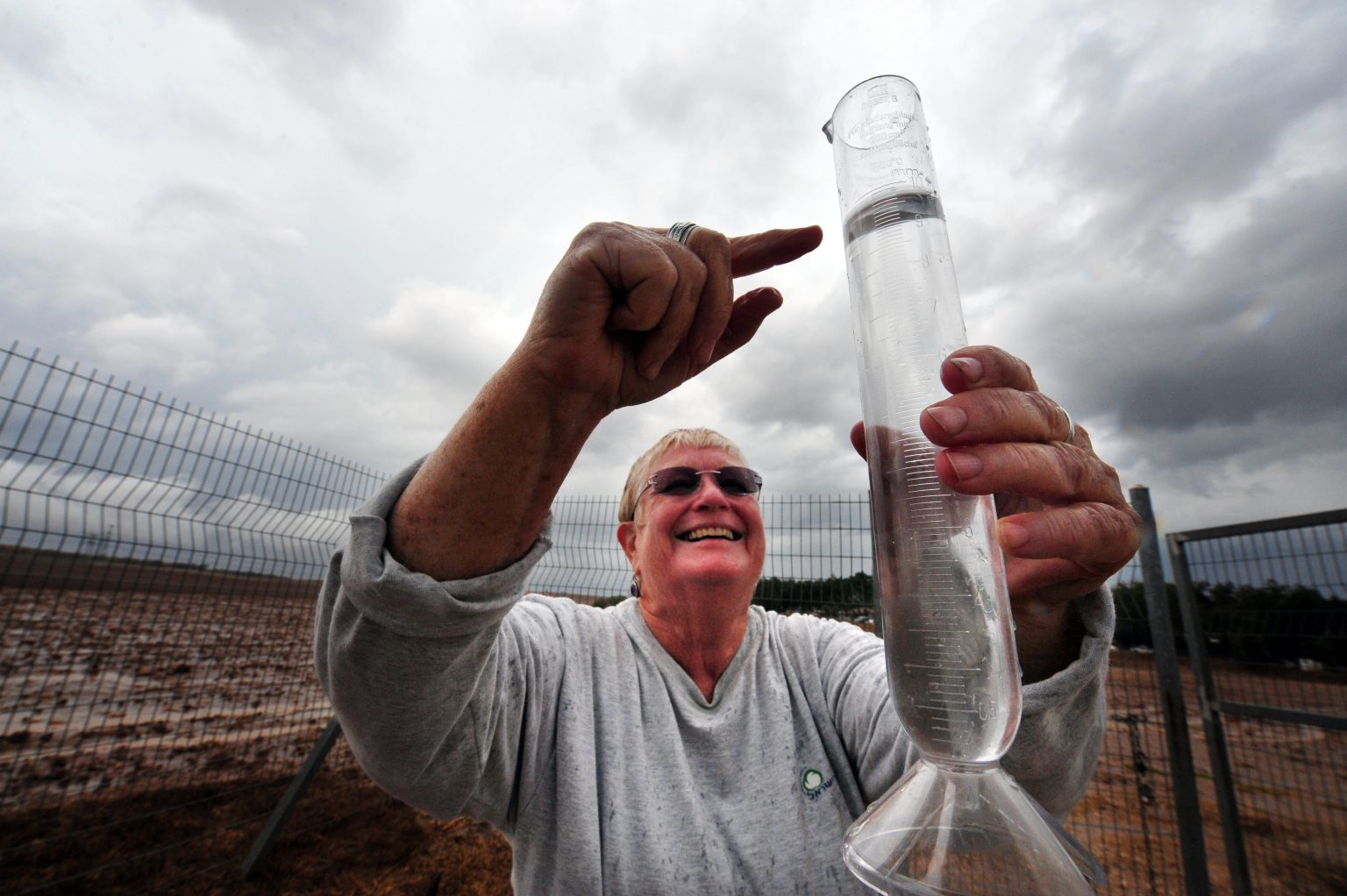
Late-season rain patterns could still surprise Israel this year, bringing a renewed bloom in nature reserves and boosting national water levels. Additionally, Israel’s advancements in climate management offer greater resilience than in the past. Desalination projects, smart water reservoir management, and advanced irrigation technologies ensure the country is better equipped to handle fluctuations in rainfall.
Moreover, the current mild weather allows for outdoor events and nature activities, providing benefits even during a drier season. Regardless, there is hope that despite the winter’s dry start, the coming months will bring abundant rainfall, improving Israel’s water supply and agricultural outlook.