

A series of positive developments in recent days may indicate a possible shift in U.S.-Iran negotiations – and for the first time in a while, Israeli officials are identifying signs of an American position that aligns with Israel’s line: no uranium enrichment, no centrifuges, and no Iranian access to nuclear weapons components.
Although President Trump has not yet made a clear-cut statement himself, red lines may already be taking shape – with far-reaching implications for the entire region. Analysis by political correspondent Tamir Morag.
A public position shift – and a message to the Iranians
The first sign of the new trend came with a clarification from Trump’s envoy, Steve Witkoff: after previously expressing readiness to allow Iran to enrich uranium to a “civilian” level of 3.67%, he reversed course and declared that Iran would not be allowed to enrich uranium at all and would have to dismantle all its centrifuges. This wording fully aligns with Israel’s clear demand.
President Trump and Prime Minister Netanyahu, archive | Photo: Liri Agami/Flash90
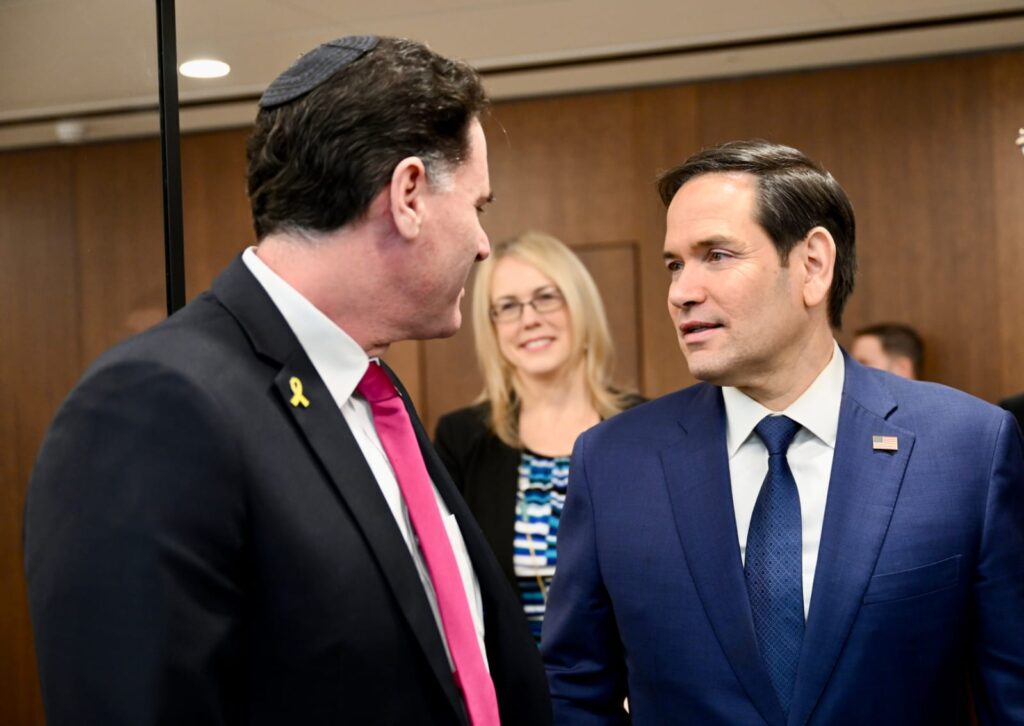
Two of the strongest names in Israel’s defense and diplomatic establishment – Minister Ron Dermer and Mossad Director David Barnea – were seen in Rome, at the same time an intensive round of talks was being held between the Americans and Iranians.
Their presence during the talks likely signals involvement or close coordination, and possibly even behind-the-scenes message exchanges.
An appointment that changes the rules
The most prominent development is the appointment of Merav Ceren, an Israeli-American with a strong national security record, as head of the Iran Desk at the National Security Council in the White House.
Ceren is known for her particularly tough stance on the Iranian issue, has published research papers on the nuclear topic, and has expressed firm views toward Tehran. Her appointment is seen in Jerusalem as a “significant reinforcement” of the tough stance Israel hopes to see in Washington.
Netanyahu came out pleased after the call with Trump
Prime Minister Benjamin Netanyahu emerged from his phone call with Trump earlier this week smiling and particularly pleased, according to diplomatic sources. The atmosphere, which was tense in the past, now reflects strategic synchronization between the two leaders.
At the same time, Trump appointed Michael Anton – a seasoned and hardline nuclear expert – to lead the technical talks with Iran. Anton is known for his strict positions and deep expertise, which could make it much harder for the Iranians to “blur” their demands.
Maneuvers on the ground – and a strike on the table
Secretary of State Marco Rubio clarified last night that the U.S. would oppose continued Iranian enrichment, and would demand the import of already enriched material only, alongside the destruction of existing centrifuges – fully aligning with Israel’s demand.
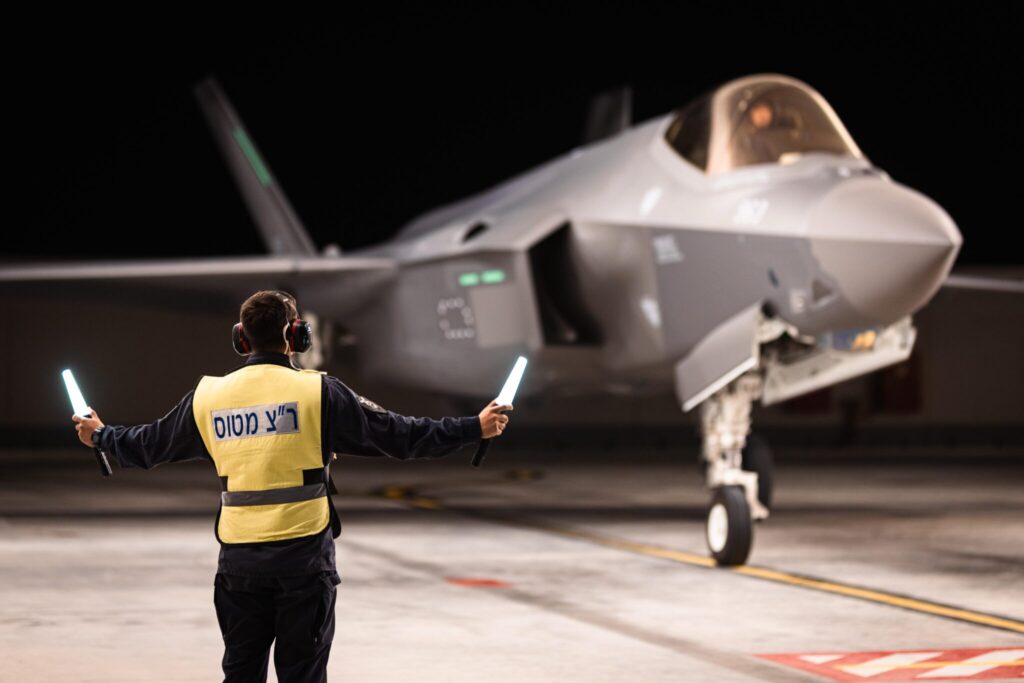
Alongside the diplomatic developments, the U.S. continues to send forces and advanced systems to the Middle East – including B-2 bombers and E-3 surveillance planes, which are considered especially relevant for a potential airstrike against Iranian infrastructure.