
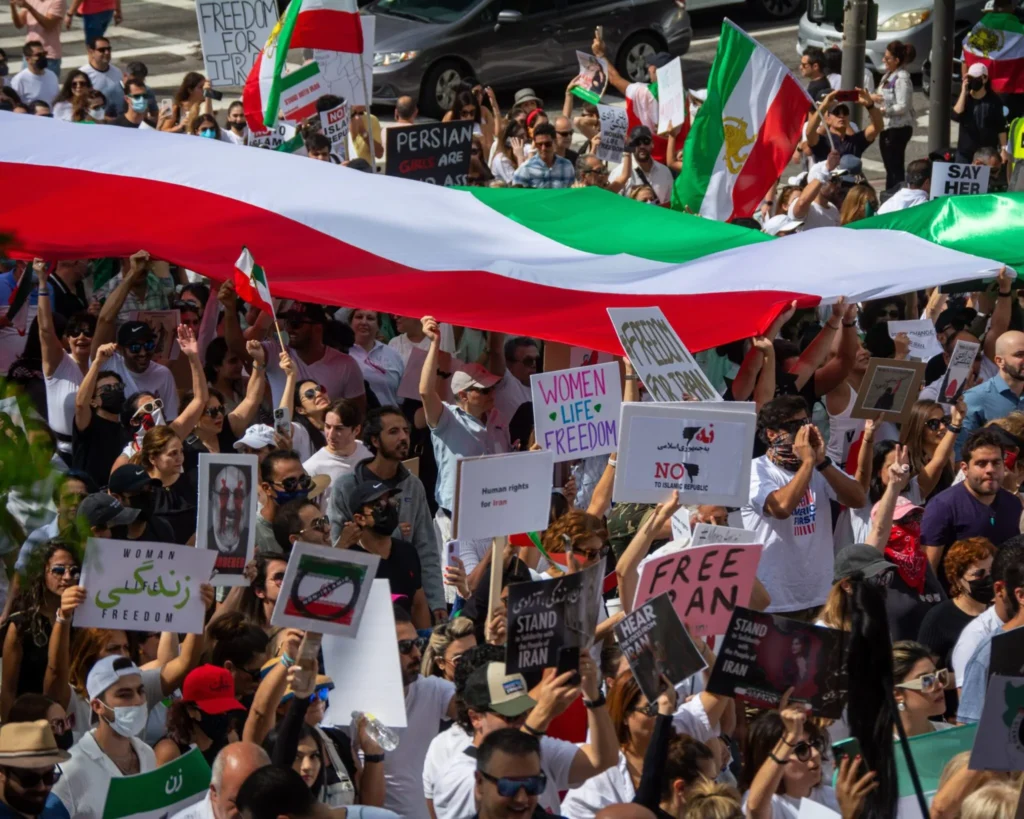
The Israel-Iran war has reignited a fateful question: what happens in Iran if Ali Khamenei, the Supreme Leader of the Islamic Republic, is harmed or removed from power? Amid Israel’s unprecedented assault on the regime’s military and ideological symbols, Western analysts believe Israel is signaling an intent to bring down Tehran’s leadership—forcing Khamenei’s shaky succession plan into the global spotlight.
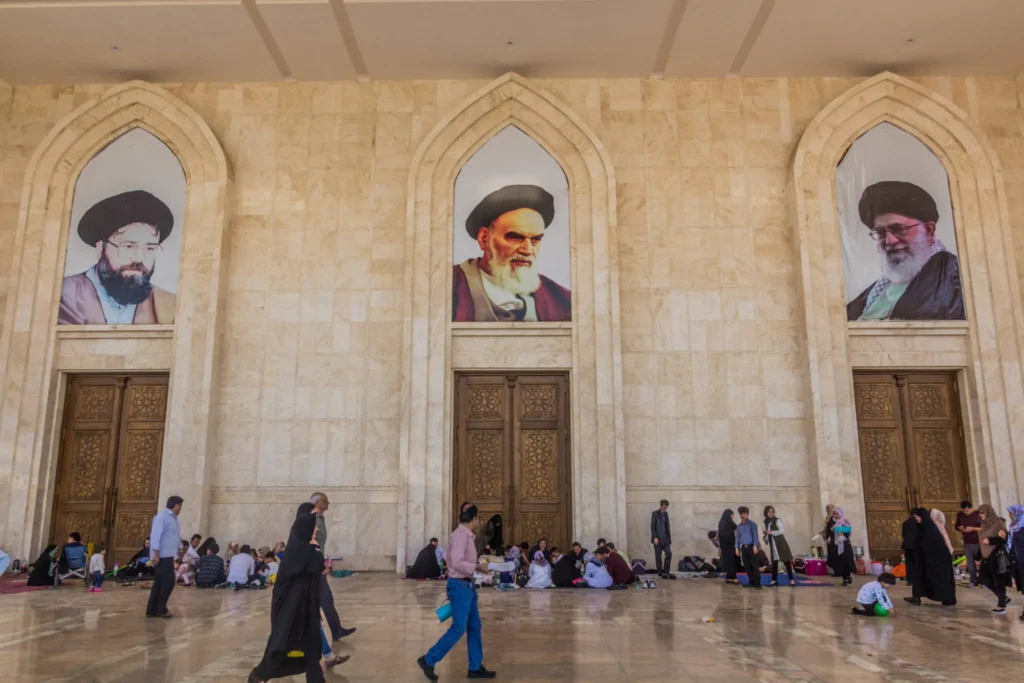
Israel targets not just facilities—but regime symbols
Since the launch of Operation “Rising Lion” (Im KeLavi), the IDF has struck not only nuclear and ballistic infrastructure but also government institutions such as the Iranian state broadcaster and Revolutionary Guard facilities. The goal, according to global commentators, is not merely tactical but strategic: to destabilize the regime from within.
Global media and Iranian opposition sources suggest that Khamenei, 86, is in hiding due to fears of assassination. Former U.S. President Donald Trump explicitly stated, “We know where he’s hiding,” while Israeli sources hint that Khamenei’s leadership days may be numbered.
Will the Revolutionary Guards seize power?
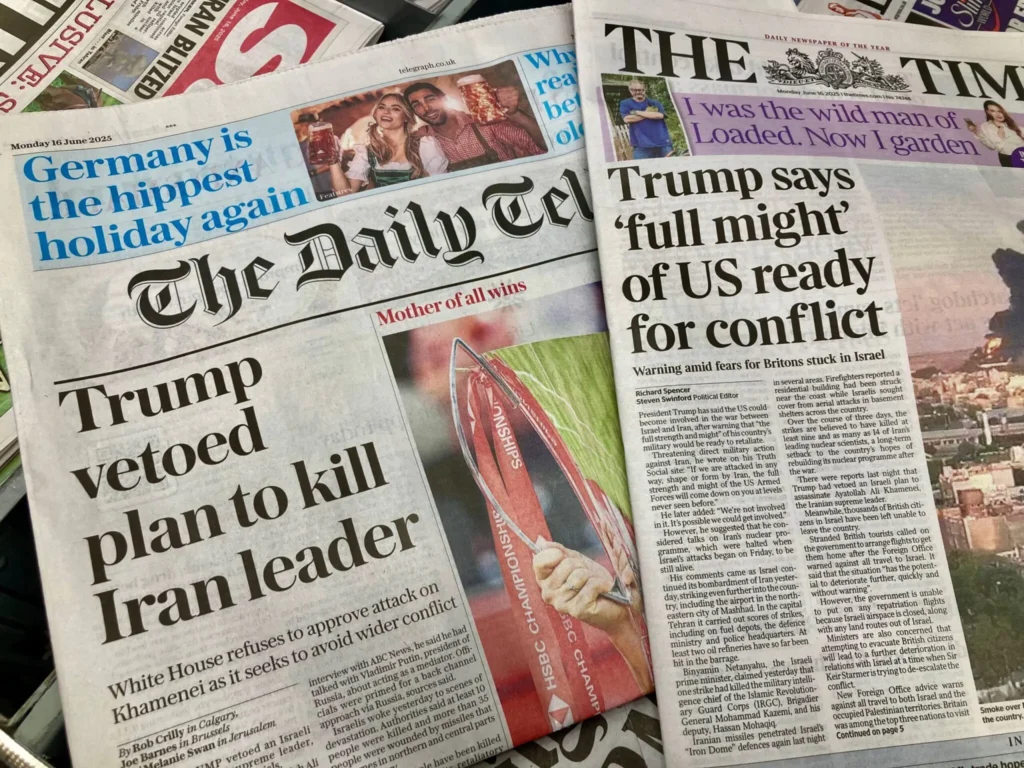
One key scenario Israel is closely monitoring is the Revolutionary Guards taking full control of Iran’s government. Analysts warn that the removal of Khamenei could create a power vacuum leading to the rise of a military dictatorship, replacing the current religious theocracy.
Unnamed intelligence officials report that several senior Iranian generals are already maneuvering for key positions, waiting for the right moment to act.
Reza Pahlavi: The Shah’s son seeks legitimacy
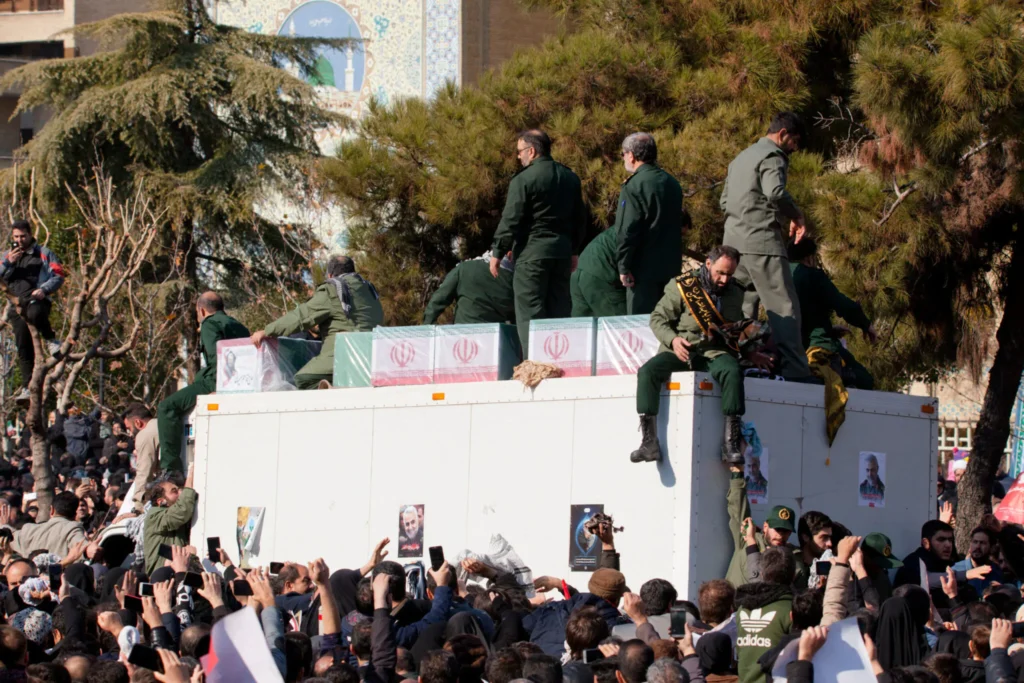
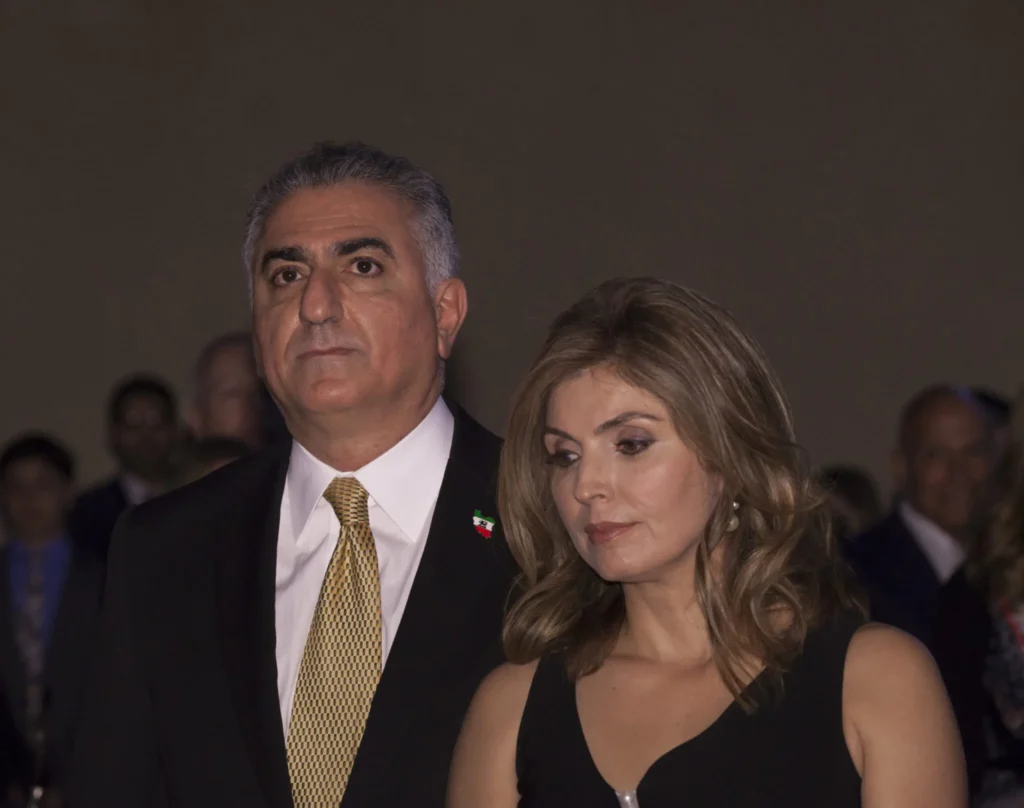
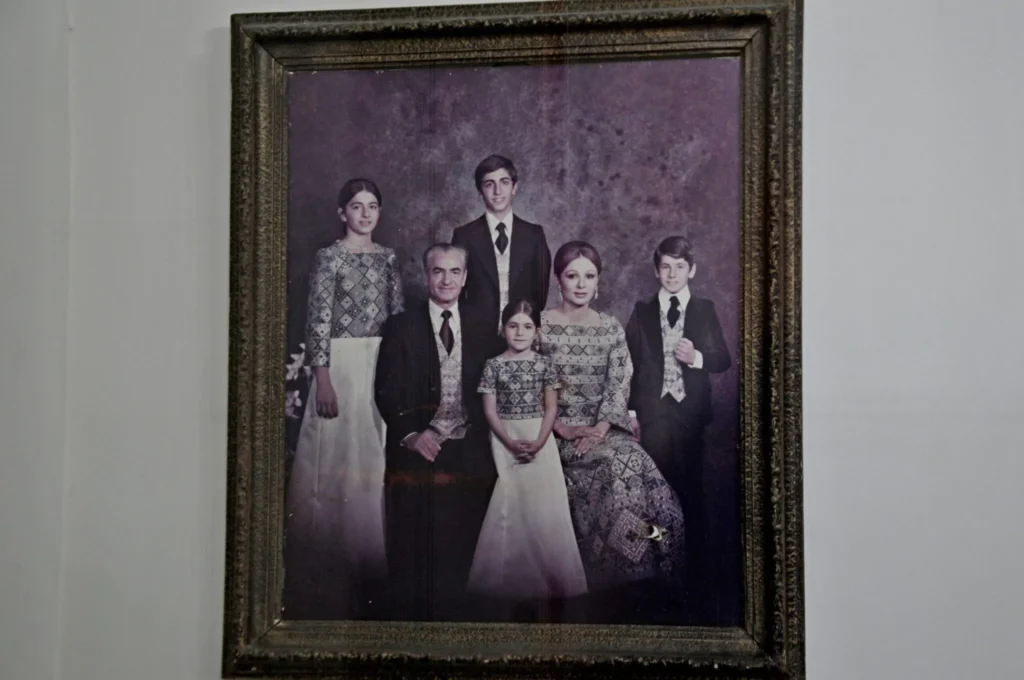
Among the exiled Iranian opposition, Reza Pahlavi—the son of the deposed Shah—has emerged as a prominent figure. Living in the United States, he advocates renewed ties with Israel. While he enjoys international recognition, his domestic support in Iran is limited due to his Western and Israeli connections.
The MEK movement: Struggling to gain credibility
The MEK (Mujaheedin-e Khalq), once allied with Saddam Hussein, seeks to position itself as a ruling alternative in Iran. However, most Iranians view the group as untrustworthy, and it is often regarded in the West as a fringe cult, lacking significant support.
Ethnic fragmentation and fears of collapse
Iran’s ethnic composition is highly complex, including Kurds, Balochs, Arabs, and other subgroups. Any power shift risks igniting internal conflicts, evoking the Iraqi scenario where regime collapse led to total state fragmentation. The Soufan Center in the U.S. recently warned that a collapse in Tehran could result in “greater chaos than the Iraq invasion.”
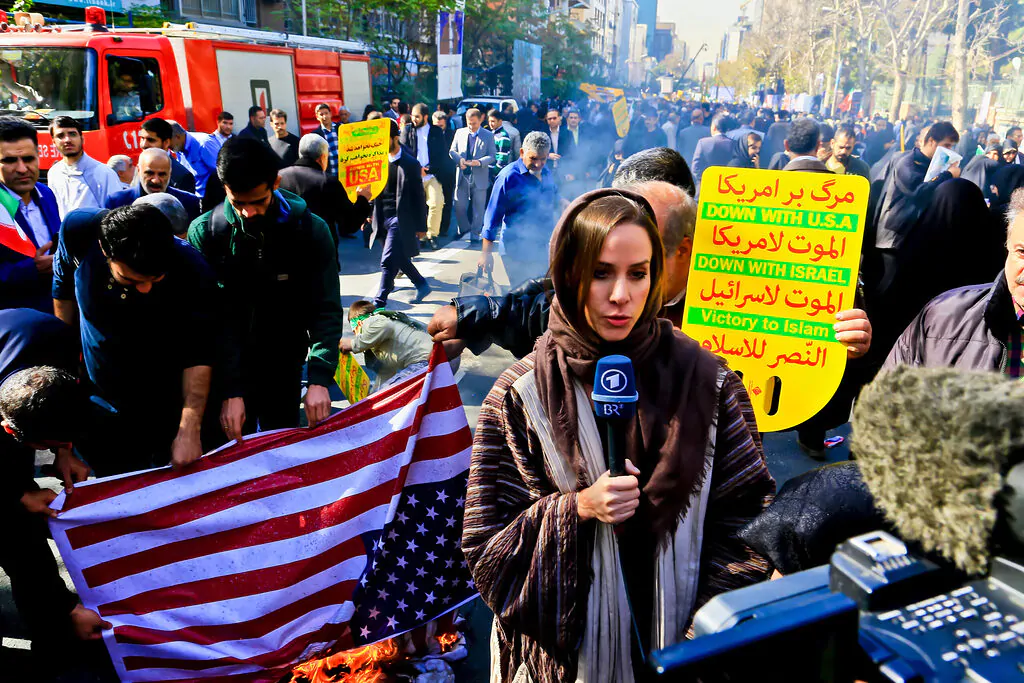
Israel estimates that regime change in Tehran—whether triggered by military action or emerging from the broader conflict—could mark a historic achievement. Still, Jerusalem is acutely aware of the risks: the final outcome must rest with the Iranian people. Without a moderate replacement, a more extreme military dictatorship could arise. Israel, therefore, proceeds with calculated resolve.