
Despite the Ceasefire: Air Defense Systems Activated Across Iran
While the ceasefire between Israel and Iran continues for a third consecutive day, witnesses reported Thursday morning to Iran International that sounds suggesting the activation of air defense systems were heard in several cities across Iran.
The cities mentioned include Anzali in the north, Ahvaz in the south, Parand near Tehran, with particularly notable activity reported in Rasht, near the Caspian Sea. These reports point to increased tension in the region, despite the ongoing ceasefire.
Where is Khamenei?
The mysterious absence of Supreme Leader Ali Khamenei from public media for over a week is causing concern within Iran’s political and military establishments, according to a New York Times report published overnight between Wednesday and Thursday.
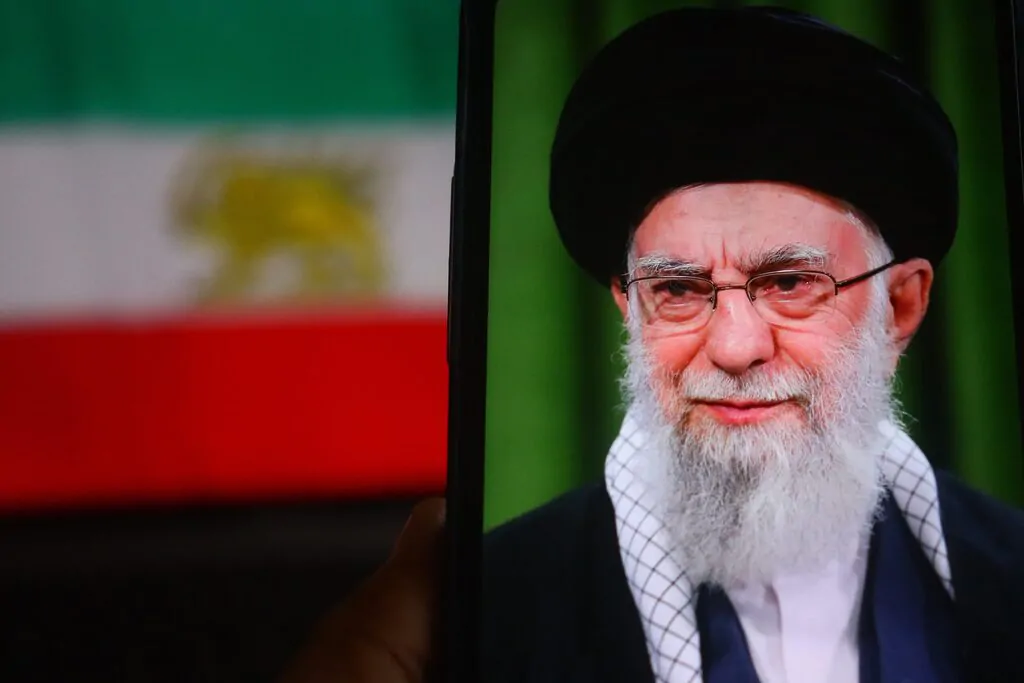
According to the report, Khamenei is hiding in a bunker and avoiding contact with the outside world to prevent an assassination attempt, primarily due to fears that Israel may target him even during the ceasefire. Hamzeh Safavi, son of one of Khamenei’s senior advisors, noted that even after the war, security assessments are ongoing around the Supreme Leader due to the possibility of an assassination attempt.
A War That May Reshape Iran
The 12-day war between Israel, the United States, and Iran has shaken the Iranian regime. Experts from Iran International claim the Islamic Republic will not return to its pre-war status following the joint airstrikes by Israel and the U.S., aimed at crippling Iran’s nuclear infrastructure.
“Iran’s failure to defend its airspace, military, and nuclear program has left the country in a politically and security-weakened position,” experts say. During the conflict, Iran’s already fragile political authority suffered further erosion, both domestically and internationally.
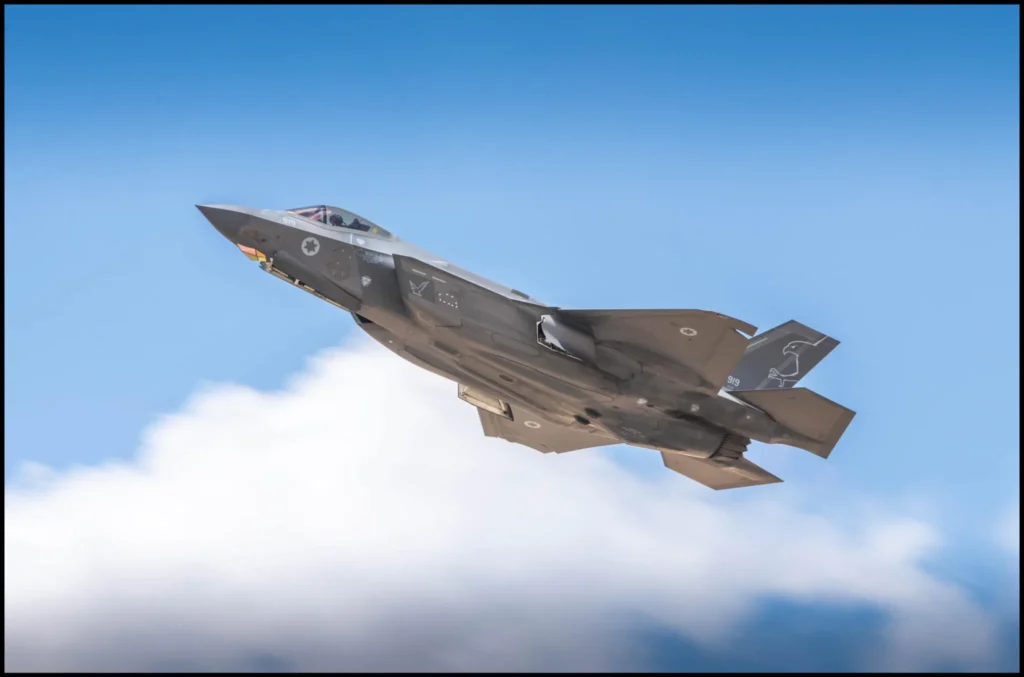
Alex Vatanka, senior fellow at the Middle East Institute, warned that the decisions leading up to the war could result in significant challenges for the Iranian regime. This was the first time in decades that the conflict reached Iranian territory, marking a dramatic shift in the country’s internal landscape.
Facing a New Reality
Following the ceasefire, experts assert the regime must adapt to a new reality—one in which the influence of hardliners and the political leadership is diminished. Under such conditions, the current leadership may find itself weakened, isolated, and its stability at risk.
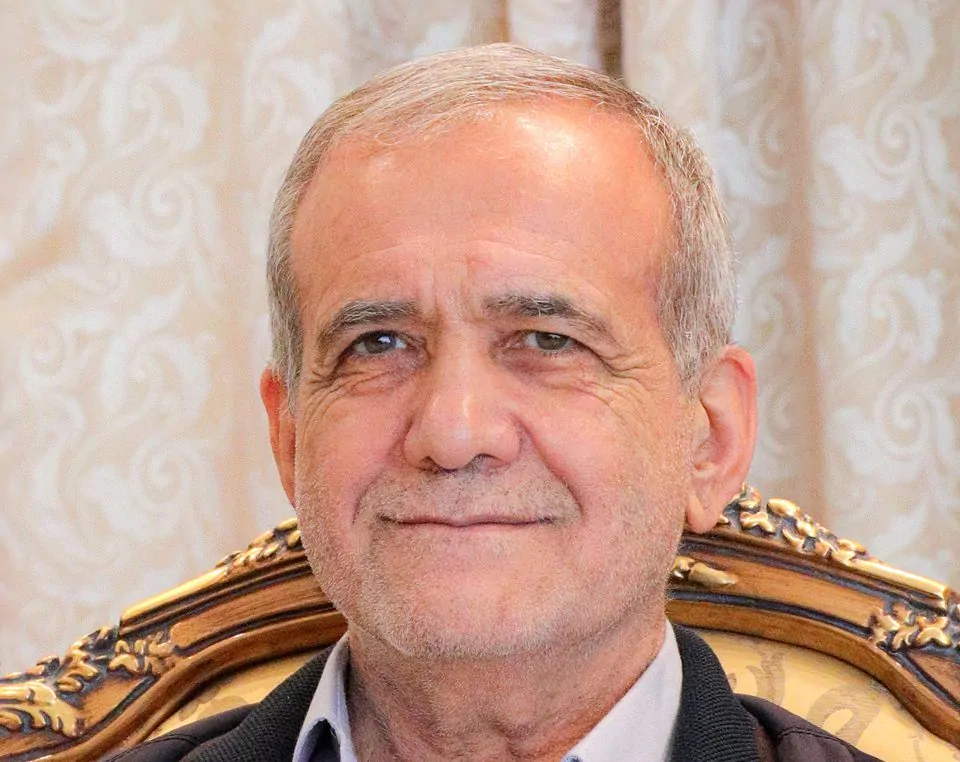
Meanwhile, the New York Times also reported Thursday that political shifts are being considered within Iran. President Masoud Pezeshkian and his allies are reportedly promoting a moderate, diplomatic approach in contrast to the hardline conservative faction entrenched within the government.
Political Transformation on the Horizon
Experts anticipate a dramatic transformation in the structure of the Iranian regime as it navigates this new landscape. Former Israeli intelligence officer Avi Melamed estimates that while the political regime may remain intact, internal changes could trigger new dynamics—possibly even leading to substantial political reform.
Khamenei’s prolonged absence from public view—now over a week—is raising significant concern among Iran’s political and military elite. As reported by the New York Times, the Supreme Leader is believed to be sheltering in a bunker out of fear for his life.
According to the report, Khamenei is avoiding external communication to evade a potential Israeli assassination attempt. Hamzeh Safavi confirmed that even after the end of active hostilities, a high-level security presence remains around the Supreme Leader.
President Pezeshkian, regarded as a reformist, is pushing for diplomacy and has expressed willingness to reopen negotiations with the West—particularly the United States—after key nuclear sites like Fordow were destroyed in Israeli strikes. He argues that Iran must seize this opportunity to pursue political solutions.
However, this approach lacks support among conservative factions, especially those aligned with the Jalili party, which has criticized Pezeshkian’s intentions as a betrayal of Iran’s ideological principles.
Tensions remain high within the Iranian leadership, with some voices suggesting that a military response may still be the appropriate reaction to the Israeli strikes during the war.