
Oman’s Foreign Minister confirmed today (Thursday) that representatives from the United States and Iran will meet again this Sunday in Muscat. This will be the sixth round of negotiations aimed at securing a new nuclear agreement.
In the past 24 hours, it seems both the U.S. and Israel are approaching a critical juncture in the Iranian nuclear issue. Here’s a breakdown of what’s known so far, based on the latest reports.
With or Without the U.S., Israel Is Preparing – Military Developments
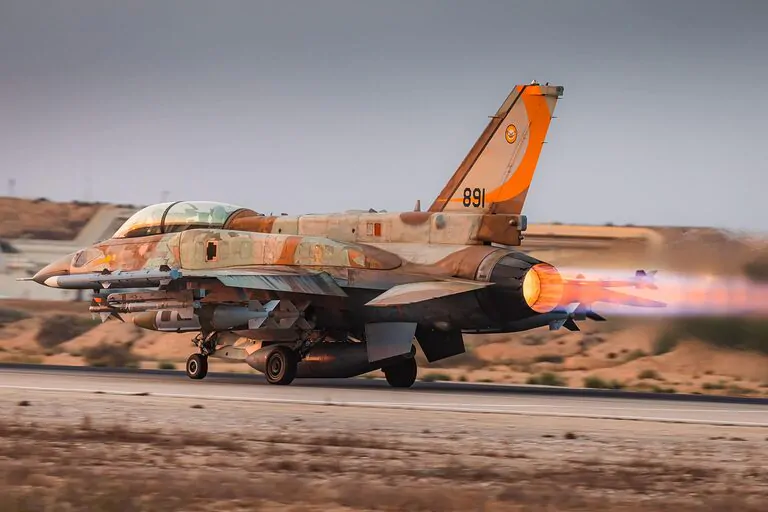
NBC News reported, citing multiple sources, that Israel is weighing the possibility of a unilateral strike on Iran—without coordination with the United States. At the same time, Reuters revealed that a “friendly” country in the region had warned Iran about a potential Israeli attack. An Iranian official responded by calling it “psychological warfare” meant to pressure Tehran ahead of the talks.
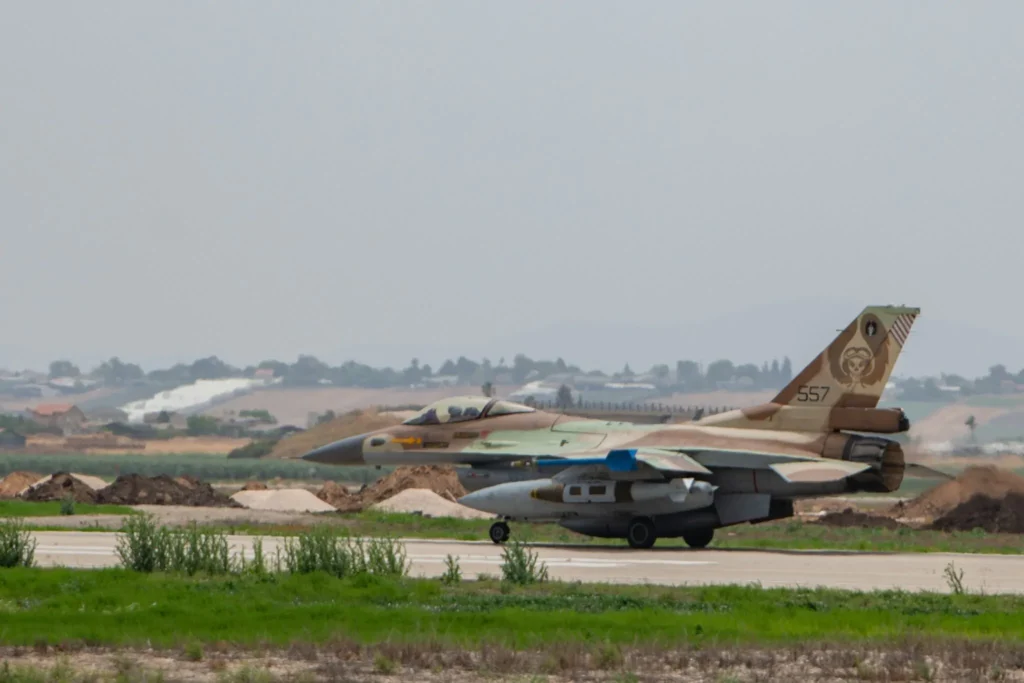
Iran is also preparing. The Iranian Defense Minister warned that if attacked, Iran would “strike American bases in the region.” Iranian President Masoud Pezeshkian declared today: “We will not give up our peaceful nuclear industry, but we will not build a bomb. We trust in God—not in America and its agents.”
The U.S. Is Also Bracing for Escalation
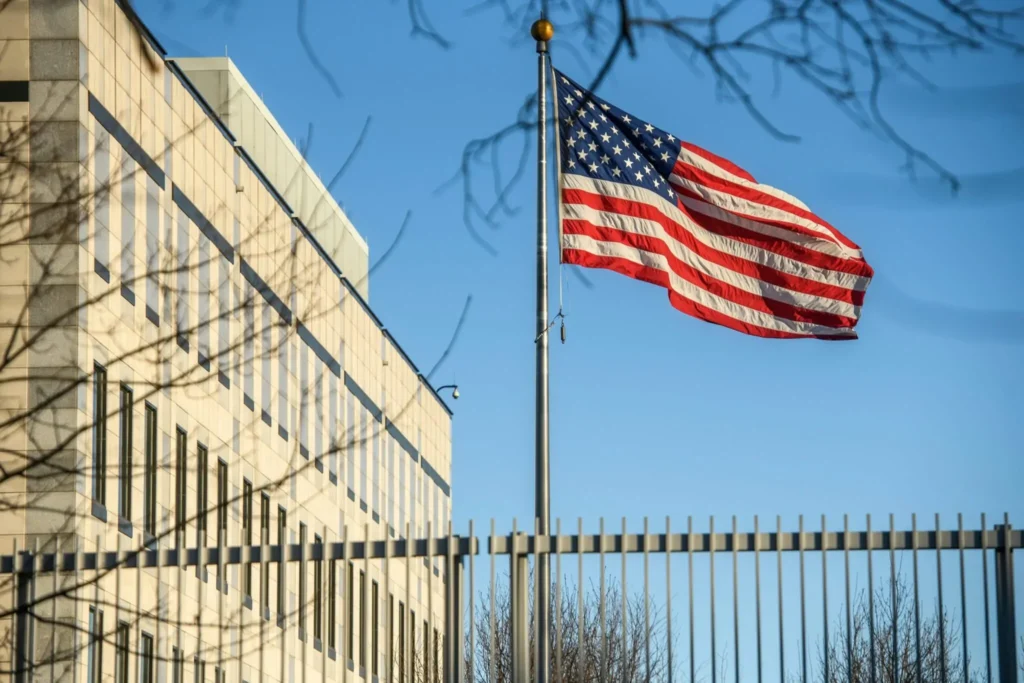
The United States is stepping up its readiness. Non-essential staff have been evacuated from the U.S. Embassy in Baghdad, and embassies across the Middle East have been instructed to convene their Emergency Action Committees.
The Pentagon has approved the evacuation of military families from bases in the region. In response to reporters’ questions, President Donald Trump said: “They’re leaving because it’s dangerous there. Just watch what happens. We won’t let them (Iran) have nuclear weapons.”
Late last night, President Trump posted a striking message on his Truth Social account:
“I am more confident than ever that in the days ahead and every generation to come, the U.S. Army will heap glory upon glory. You will summon inexhaustible courage. You will protect every inch of U.S. soil, and you will defend America to the ends of the earth!
Europe Is Getting Ready Too
It’s not just the U.S. that’s preparing—Europe is on alert as well. The United Kingdom Maritime Trade Operations (UKMTO) issued a rare advisory yesterday covering the Persian Gulf, Arabian Gulf, Strait of Hormuz, and the Gulf of Oman.
The advisory warned: “Heightened regional tensions may lead to an escalation in military activity, directly affecting freedom of navigation.” It urged all maritime vessels operating in the area to proceed with heightened caution and report any incidents or suspicious activity.
Nuclear Talks at a Critical Stage – Diplomatic Developments
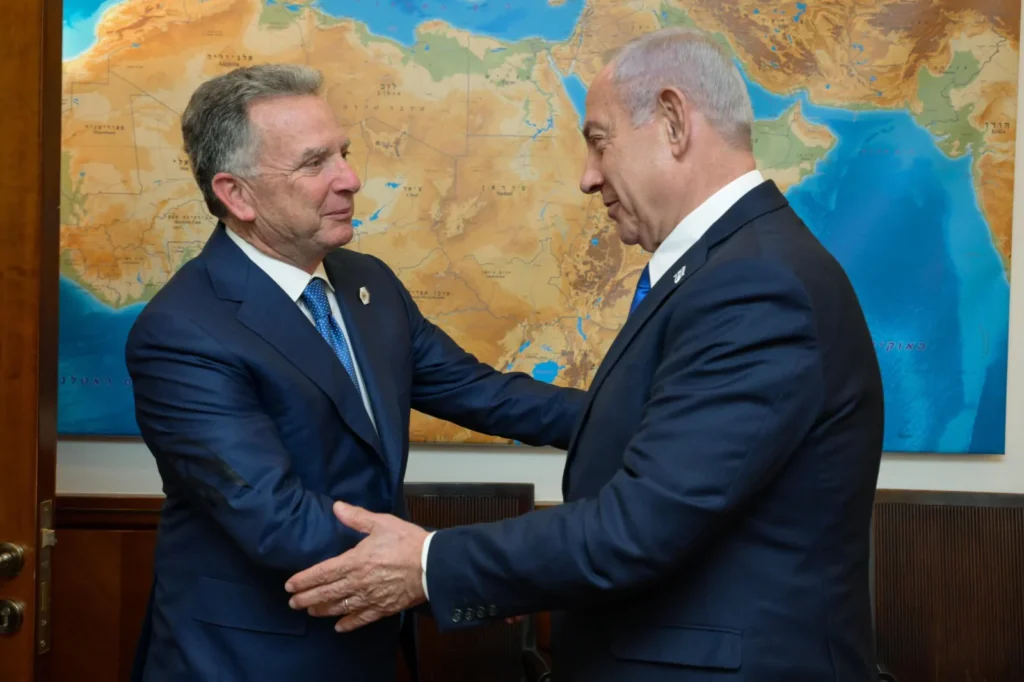
Journalist Barak Ravid reported that U.S. Special Envoy to the Middle East Steve Witkoff is expected to meet with Iran’s Foreign Minister as part of the negotiations. However, diplomatic sources caution that the meeting may be canceled at the last minute due to rising security concerns.
Meanwhile, Javan, a newspaper affiliated with Iran’s Islamic Revolutionary Guard Corps, warned that Iran could walk away from the negotiating table if the United States fails to meet its demands. “Iran has achieved a deterrent nuclear capability,” the paper wrote.
Europe Increases Pressure
Concrete steps are being considered: the United Kingdom, France, and Germany warned that if a new deal isn’t reached soon, they may invoke the “snapback mechanism,” which would reinstate sanctions lifted under the original nuclear agreement. The three countries are demanding that Iran halt its accelerated uranium enrichment, restore access to International Atomic Energy Agency (IAEA) inspectors, and allow back senior inspectors who were expelled.
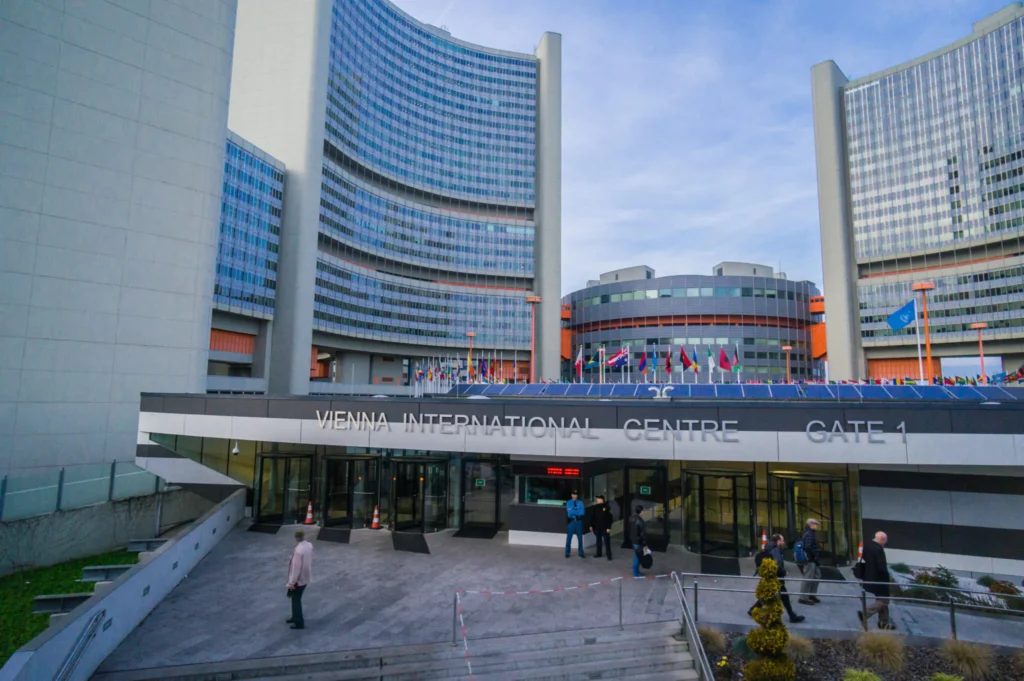
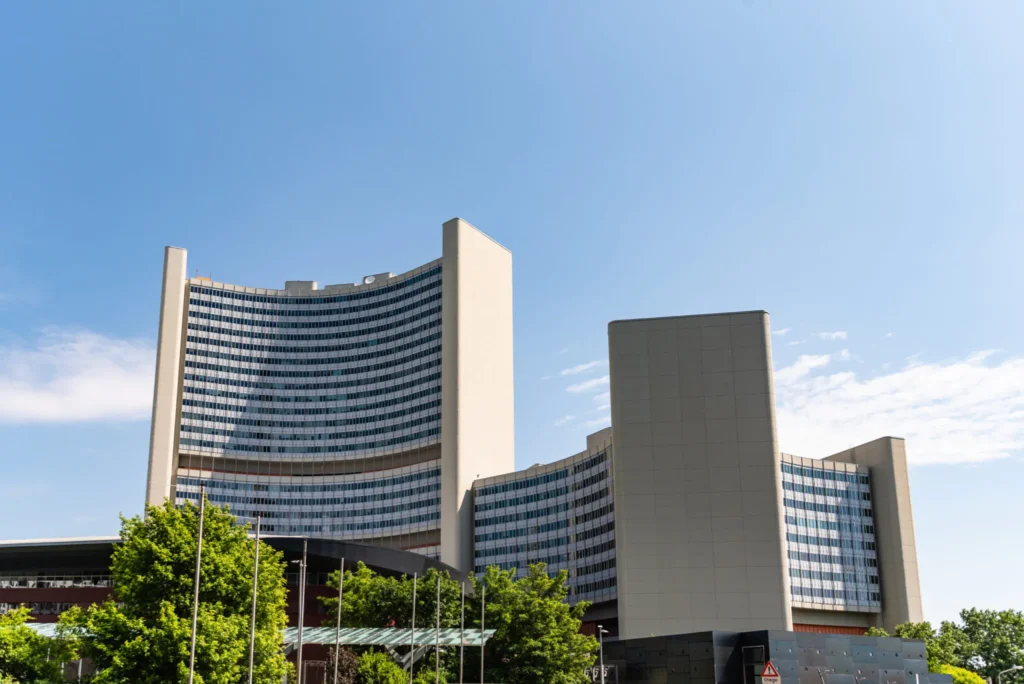
In parallel, the U.S., France, the U.K., and Germany submitted a draft resolution against Iran to the IAEA Board of Governors.
IAEA Issues Formal Condemnation of Iran
Following submission of the draft, 19 countries voted in favor, 11 abstained, and 3 opposed—Russia, China, and Burkina Faso. The resolution states that Iran is in breach of its inspection commitments, including by stockpiling uranium enriched to 60% and denying IAEA inspectors access.
The European Union joined the condemnation, stating that Iran’s current enrichment levels “have no civilian justification,” and warning that this trend increases the risk of a “nuclear crisis” in the Middle East.
Western diplomats explained that the move is aimed at increasing pressure on Iran for failing to uphold its nuclear obligations. According to the draft obtained by AFP, Iran is violating the Nuclear Non-Proliferation Treaty, with the text emphasizing the urgent need to rectify the situation.
The draft also notes that Iran has failed to fully cooperate with the IAEA, despite repeated outreach and opportunities. It further raises concerns about the agency’s inability to verify “the peaceful nature of Iran’s nuclear program.”