


Iran plays a central role in the Middle East not only due to its political and military influence, but also because of its advanced capabilities in weapons development and distribution. As part of the vision laid out by Qassem Soleimani, the late commander of the Quds Force killed in 2020, Iran has transferred advanced weaponry to its proxy militias across the region—including ballistic missiles, UAVs, and cruise missiles.
The Houthis in Yemen are among the most active users of this Iranian-supplied technology.
Ballistic Missiles Reaching Israel
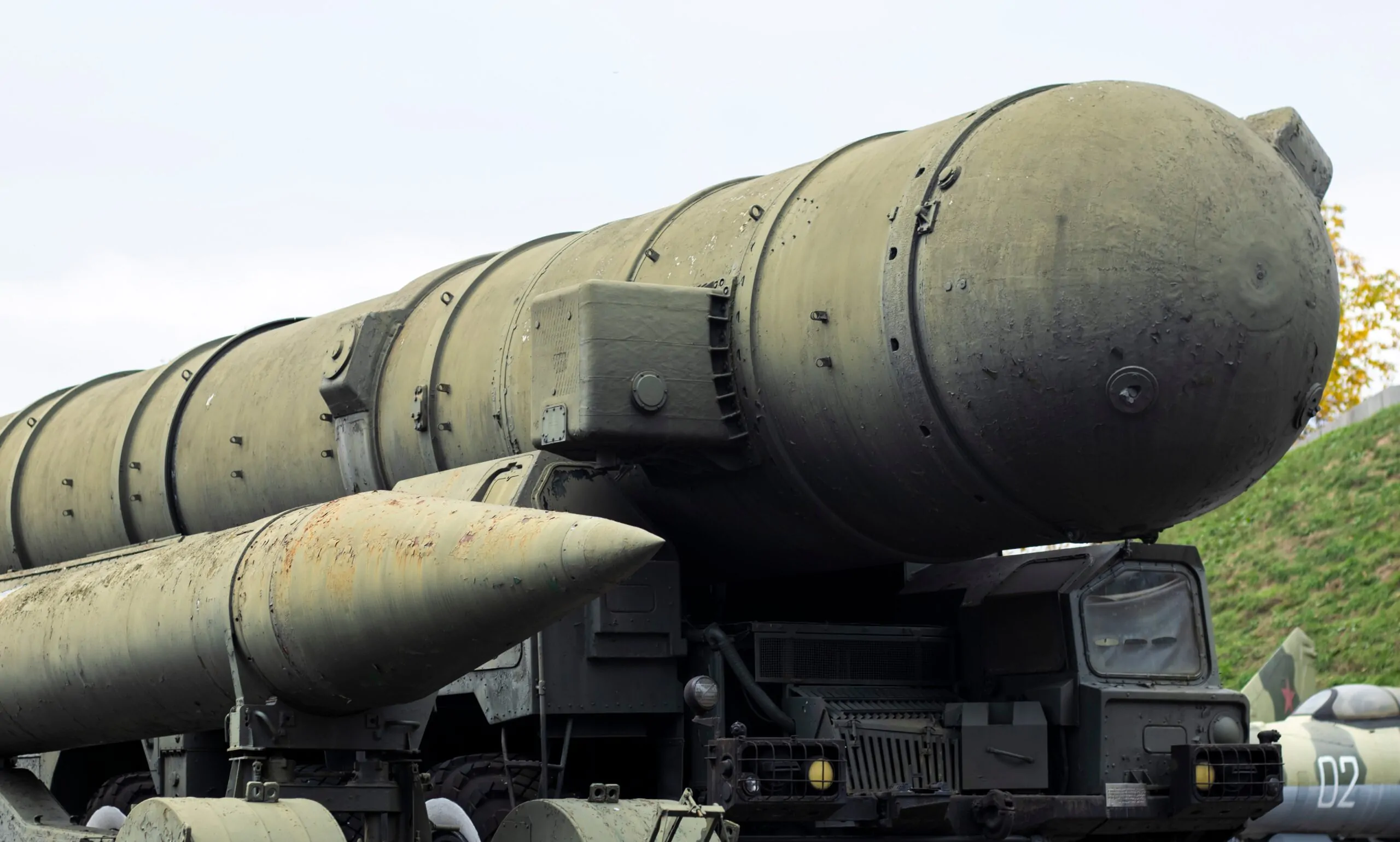
Among the Houthis’ most advanced weapons identified recently are three Iranian-origin ballistic missiles:
Fateh-1 (Palestine-2): This medium-range ballistic missile, known to the Houthis as “Palestine 2,” was first unveiled by Iran’s Revolutionary Guards Air Force in June 2023. It can reach speeds of up to Mach 15 and features a maneuverable warhead with a range of around 1,400 kilometers. The name “Fateh” (meaning “conqueror” or “victor”) was reportedly assigned by the Supreme Leader of Iran.
Zolfaghar: A single-stage mobile missile using solid fuel, Zolfaghar is considered an advanced generation of the Fateh series. Entering service in 2017 with a declared range of 700 kilometers, its use from Yemen against central Israel suggests an actual range exceeding 1,000 kilometers—implying an upgraded version.
Iranian Zolfagar Short-Range Ballistic Missile (SRBM)
Qadr-110 (Yemeni name: Tufan): A medium-range ballistic missile with a reach of 1,800 to 2,000 kilometers, based on the Iranian Shahab-3 design. It includes significant improvements in accuracy and guidance and uses liquid fuel. It carries a medium-sized warhead.
Cruise Missiles
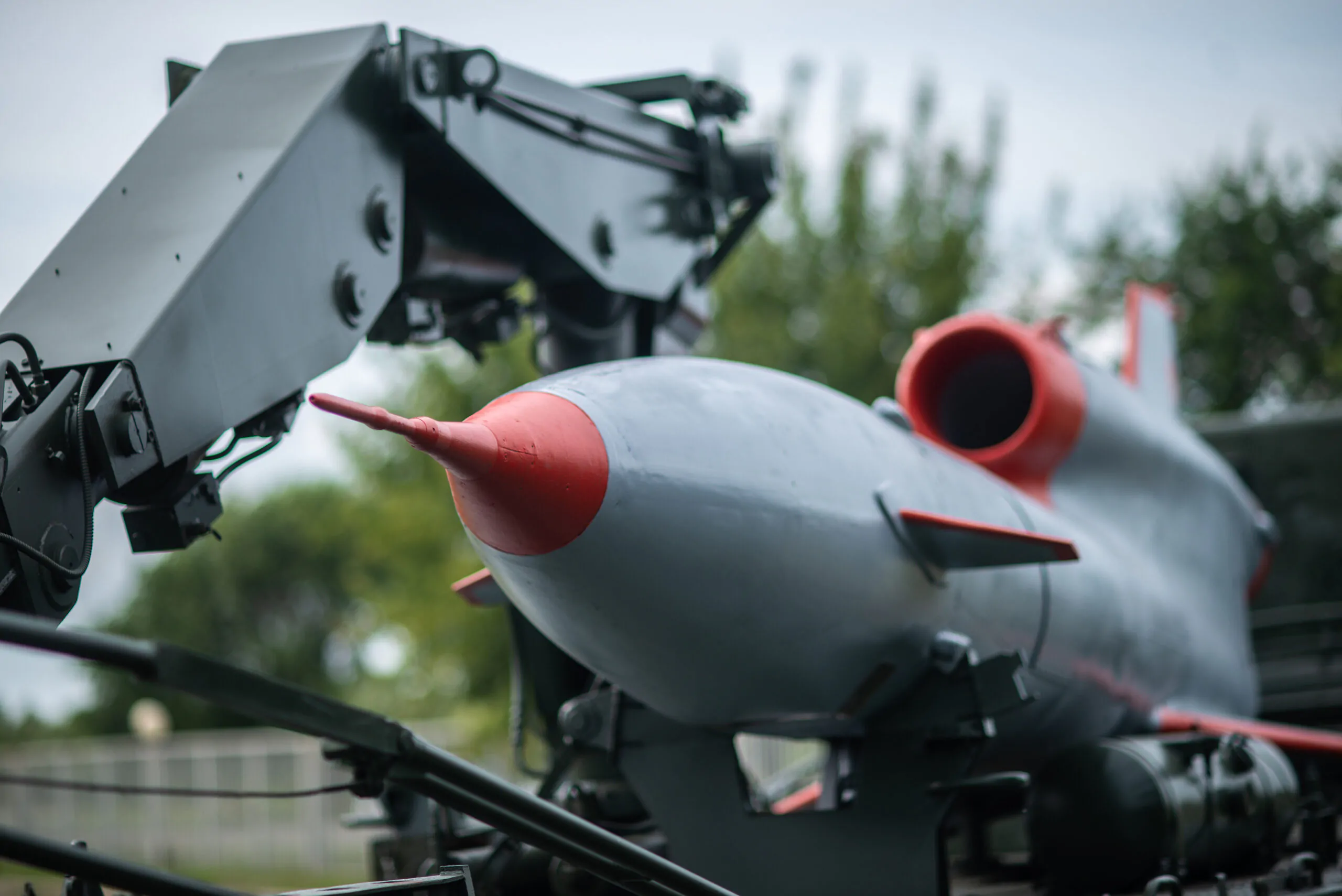
Alongside ballistic missiles, the Houthis also possess advanced Iranian cruise missiles.
Quds Cruise Missile: Based on the Iranian “Soumar” missile, itself derived from the Soviet KH-55, the Quds has an estimated range of 1,200 to 2,000 kilometers. It can be launched from ground-based or mobile platforms.
Unmanned Aerial Vehicles (UAVs)
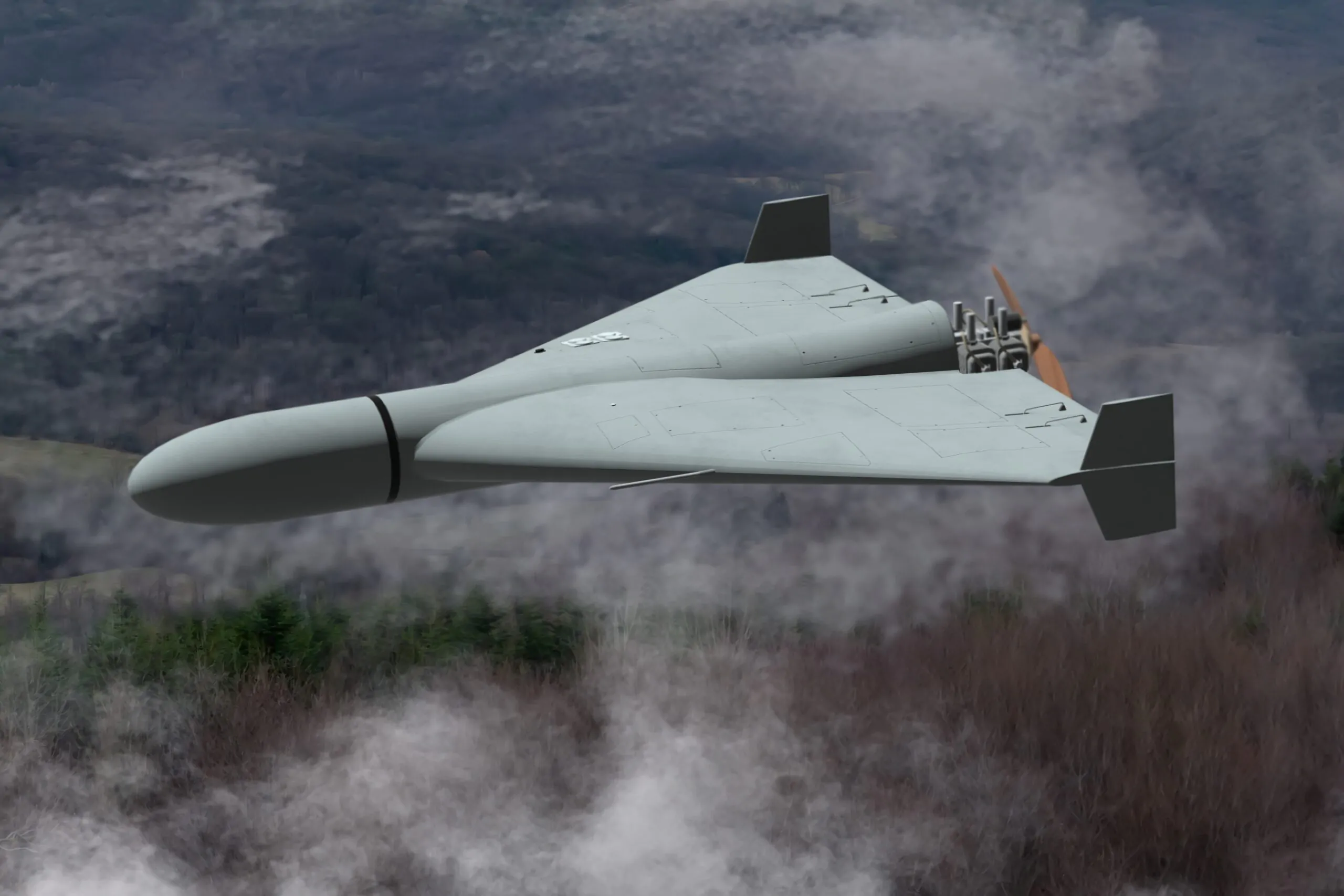
Another critical component of the Houthis’ firepower is their fleet of UAVs, largely built using Iranian technology, components, and know-how.
Samad Drones: A long-range UAV series—Samad-1, Samad-2, and the most advanced, Samad-3, reportedly upgraded by the Houthis to a range of 2,600 kilometers. This model is named after the city of Jaffa. While the origin of the Samad drones is officially unclear, experts believe they are either Iranian-made or Yemeni-built using Iranian designs.
Wa’id-1 and Wa’id-2: These are believed to be based on Iran’s Shahed-131 and Shahed-136 drones, capable of flying hundreds or even over a thousand kilometers.
Despite It All – Interceptions Remain Highly Effective
The Houthis in Yemen possess a sizable and advanced weapons arsenal. However, the impact on Israeli territory has been minimal. Most incoming projectiles are intercepted en route and do not reach their intended targets. The Houthis’ only notable effect has been setting off air raid sirens inside Israel.
That said, defense systems are not infallible. It remains crucial for civilians to follow Home Front Command instructions and take shelter immediately when alarms sound.