
British comedian Dawn French, a beloved TV icon in the United Kingdom, caused an uproar after posting a satirical video about Operation Iron Swords. The clip, which many found deeply offensive, was quickly removed in the face of sharp criticism—and soon after, French published an apology.
What happened?
Last Thursday, Dawn French shared a video on social media in which she attempted to satirically criticize leaders involved in the Israel–Hamas war. Notably, the video made no mention of the October 7 massacre.
In the clip, French exaggerated and mocked the arguments of the various sides in the conflict. Many accused her of trivializing the atrocities of October 7—an event that remains a source of pain for every Israeli and for Jews around the world.
עוד באותו הנושא
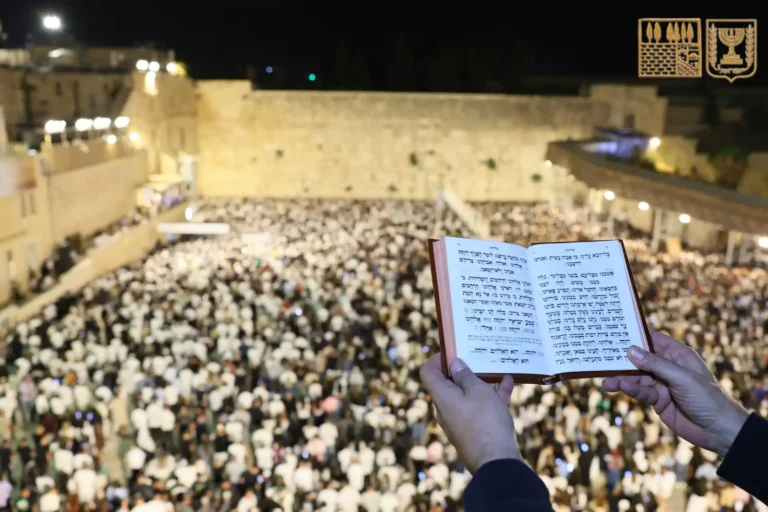
- Selichot Season Opens with Spiritual Power and Unifying Prayer at the Western Wall
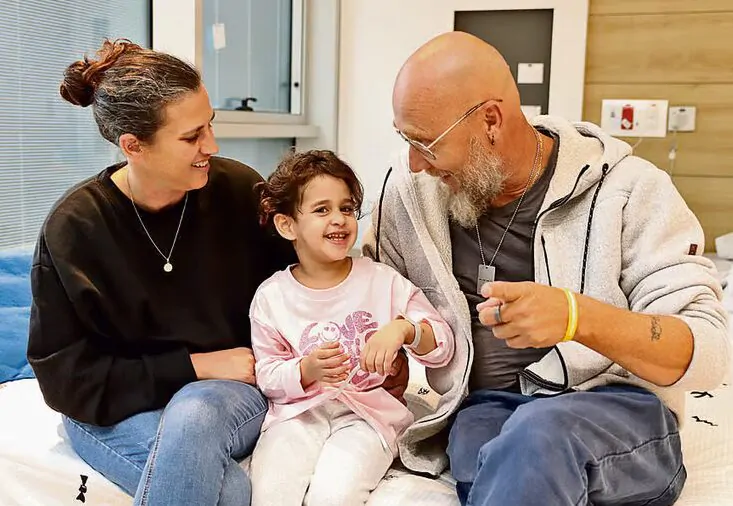
- With Hope and Resilience, Hostage Survivors Embrace Life After Captivity
- Israel Strengthens Global Alliances Amid Regional and International Challenges
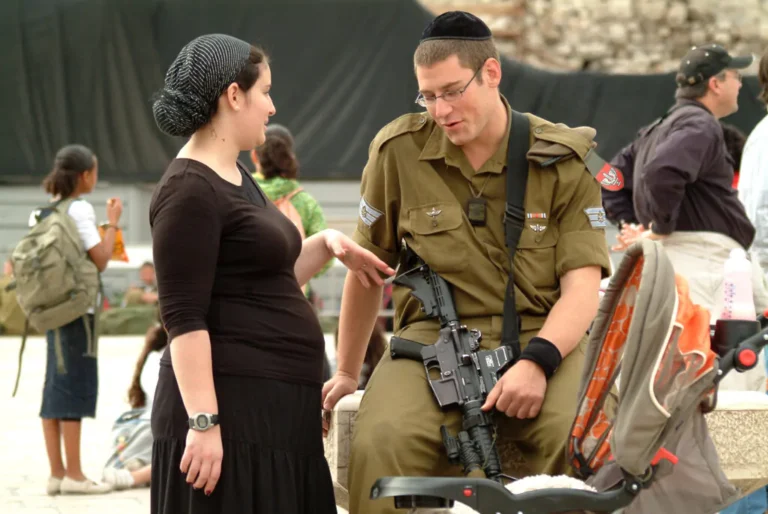
- Beyond the Conventional: Haredi Soldiers and Wives of Warriors Stand with the IDF
Hey @Dawn_French, it looks like you’ve mistakenly deleted that hideous video that you were defending yesterday so I’ve got a back up here if you need it. pic.twitter.com/YXEfGd1mMw
— IanG ️ (@IanGee2023) June 7, 2025
The backlash
The video was met with condemnation from Jewish actors and activists. Actress Tracy-Ann Oberman publicly denounced French’s tone, saying she clearly failed to grasp the horror of what occurred. Member of Parliament Rosie Duffield wrote on X (formerly Twitter):
“There’s room to hate what’s happening in Gaza, but you cannot treat terror attacks like those of October 7 in this way.”
The apology
After the storm on social media, French issued a lengthy apology and deleted the video. She admitted that the video “presented a one-sided perspective” and insisted she had no intention of downplaying or dismissing the horrors of October 7. Her stated goal, she explained, was to condemn the violence of leaders on all sides. She acknowledged, however, that she had failed—and asked for forgiveness.
Fueling rabid antisemitism
Despite the apology, many say the damage is already done. A video like this—especially at a time when antisemitism is on the rise—crossed a red line.
The BBC’s pattern
Some observers noted that this incident is part of a broader trend in the UK media landscape, particularly at the BBC, which has come under fire repeatedly for its coverage of Israel and Gaza. The broadcaster faced intense criticism during and after the October 7 attacks for refusing to label Hamas as a terrorist organization—despite its recognition as such by the UK, US, EU, and others. The BBC also drew backlash for uncritically amplifying Hamas’s casualty numbers in Gaza, and for its delay in covering atrocities committed during the attack. While the broadcaster has occasionally acknowledged errors, many see a persistent pattern of antisemitism when it comes to reporting on Israel.