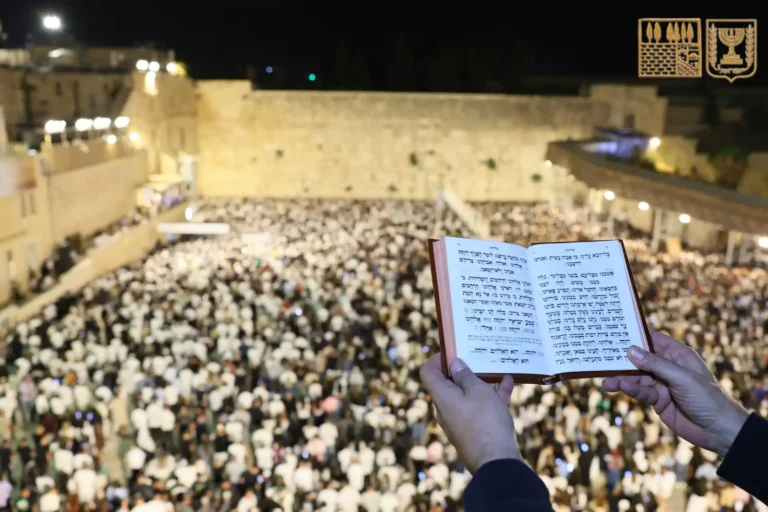
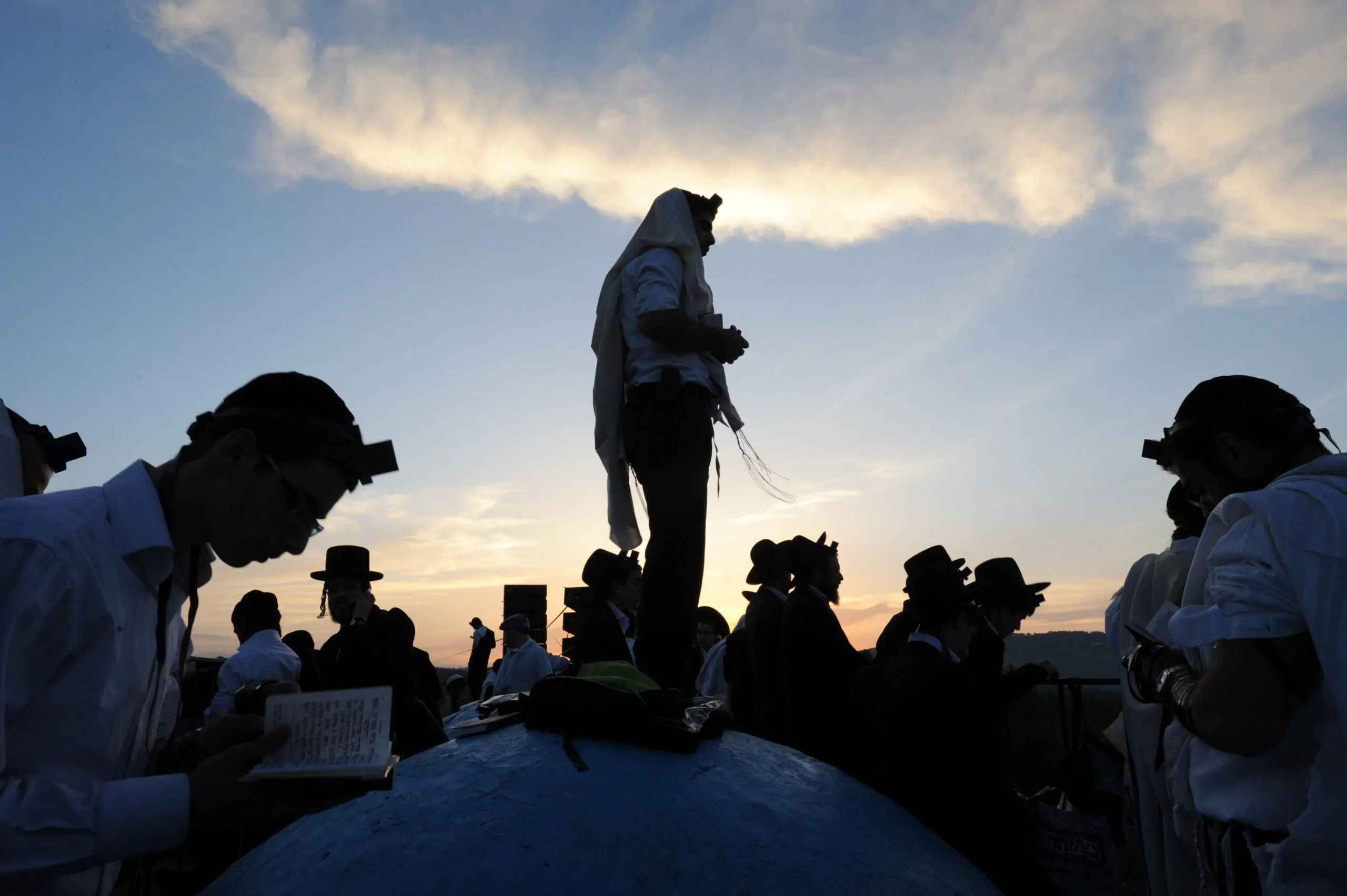
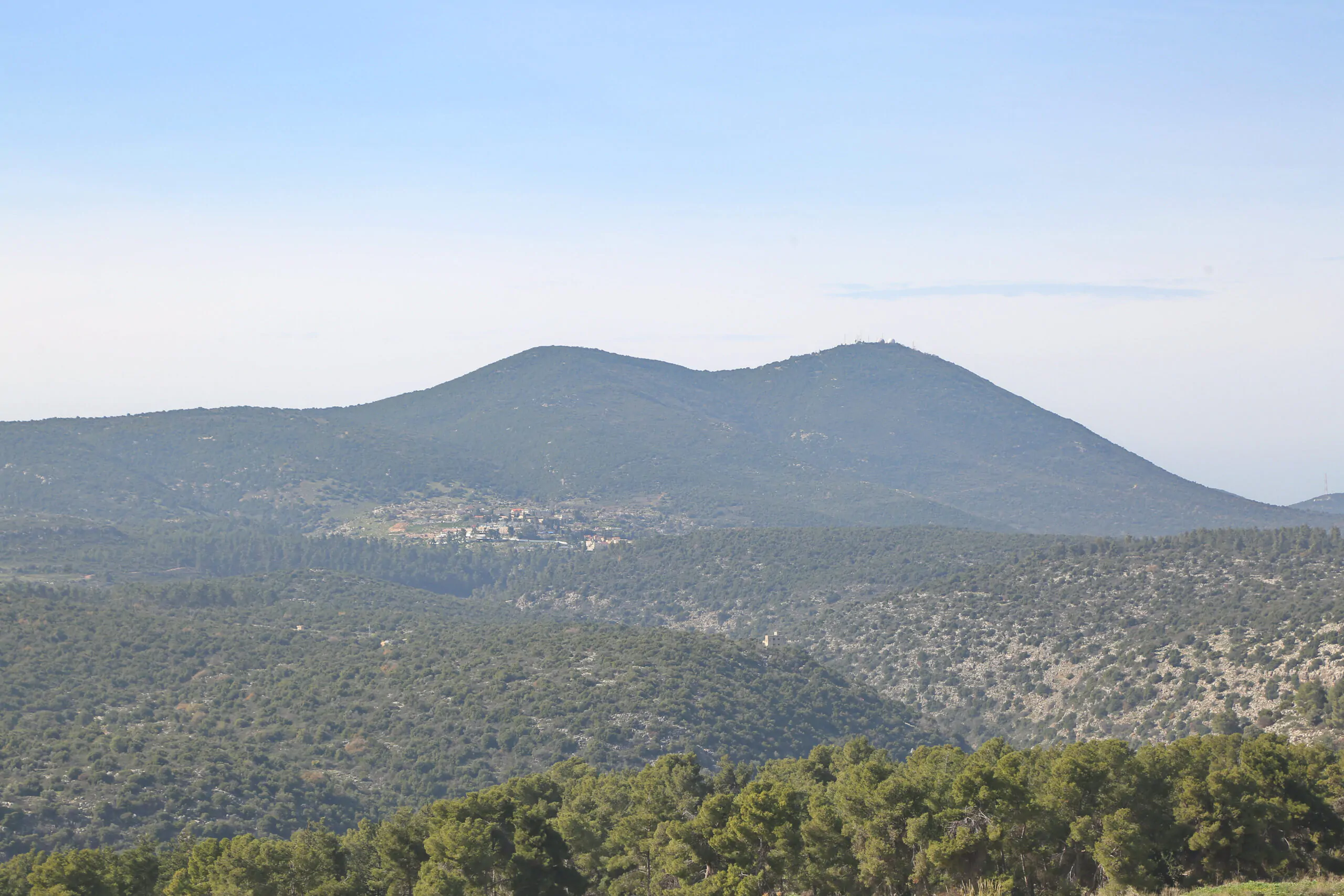
Each year on Lag BaOmer, hundreds of thousands of visitors ascend to Mount Meron to pay tribute at the tomb of Rabbi Shimon Bar Yochai (Rashbi), a 2nd-century tanna or sage of the period of Roman Judaea. But how well do we understand the deep mystical traditions and the rich spiritual legacy behind this massive annual pilgrimage?
Shraga Schmidler, a seasoned tour guide from Safed who has lived and breathed the region for over two decades, shares a behind-the-scenes look at the ancient site, its Kabbalistic meaning, and the stories often left untold. “Meron is so much more than Rashbi’s tomb,” Shraga says. “The spiritual pull of this place comes from the inner transformation people feel when they visit.”
Beyond the Surface: A Living Spiritual Presence
Schmidler’s passion for Kabbalah, was nurtured in Safed, and connected him deeply to the spiritual heritage of the region. “Rashbi is a mystical figure. This isn’t about logic or intellect—it’s about soul,” he explains. “When you visit his tomb, it feels like he’s the one alive, and you’re the one connecting to his vitality.”
A Forgotten Pantheon: The Sages Buried Around Rashbi
“Here’s something most people don’t know,” Schmidler says with a knowing smile. “When you visit Rashbi in Meron, you’re also standing above the graves of dozens of other legendary sages.” Among them: Hillel and Shammai, who lived generations before Rashbi and were said in tradition to have revived the dead. Shraga laments how little attention is paid to the profound spiritual wealth buried just steps away.
Ancient Echoes: The Lost Synagogue of Meron
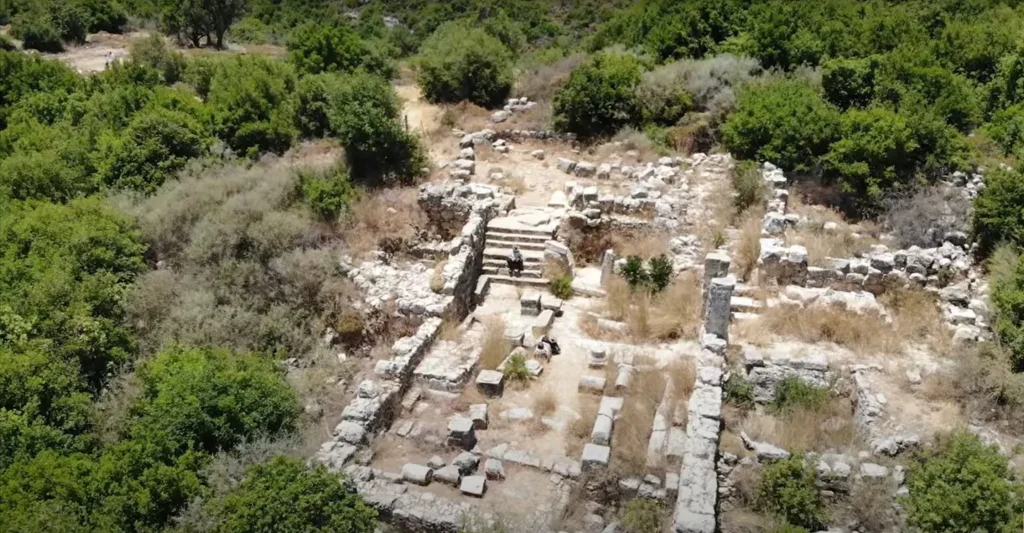
Schmidler points out a lesser-known archaeological feature—remains of a Jewish village and a synagogue believed by tradition to have been built by Rashbi himself, located just above the bus parking area. “If people just looked up, they’d see the remnants of a once-grand structure. Whether or not scholars agree, local tradition ties it to Rashbi.”
The Golden Coins Parable: A Timeless Lesson
Schmidler recounts a powerful story passed down about Rashbi’s yeshiva. During a time of poverty, a wealthy guest arrived with gold coins. Rashbi pointed to the valley glistening below, saying: “If it’s gold you want, look out the window—it’s everywhere.”
But then he asked: “Do you want eternal life, or fleeting wealth?” None of his students took the gold, illustrating that true value lies in the eternal, not the material.
A Palace for a Sage: The Tomb’s Construction
According to tradition, the elaborate structure surrounding Rashbi’s tomb was commissioned some 500 years ago by Rabbi Avraham Galanti, a disciple of the holy Arizal, a leading rabbi during the mid 1500’s and known as the father of contemporary Kabbalah. Initially asked to build a simple study room, he constructed a grand palace instead, with guest rooms above. “It was a gift of love and awe,” Shraga explains.
Fighting the Roman Empire—and Winning
“We owe our Judaism to Rashbi,” says Schmidler. “The Roman Empire tried to erase Torah study. Rashbi defied them. He went into hiding for 13 years in a cave—and he never stopped learning.” For Schmidler, Rashbi’s resistance to imperial tyranny is the root of the Jewish people’s spiritual resilience.
Why the Bonfires? The Eternal Torch of Jewish Defiance
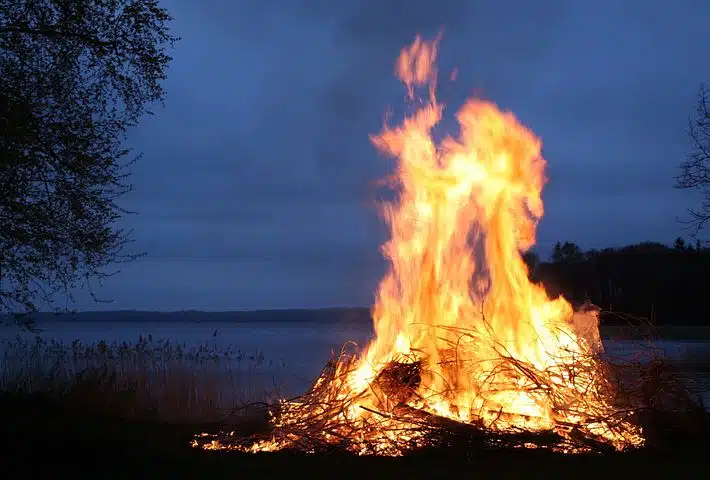
Beyond the festive atmosphere, Lag BaOmer bonfires hold deep meaning: they symbolize the sacred fire of Rashbi’s soul and his courageous defiance of Rome. “Around the world, a torch is the symbol of rebellion,” Shraga explains. “Rashbi was our spiritual freedom fighter. Lighting those bonfires is like raising a Jewish torch of pride and light. That light still burns today.”
From Folk Festival to Global Pilgrimage
Shraga reflects on how the event has evolved over the years: “Thirty years ago, Lag BaOmer in Meron was mainly a Moroccan-style celebration. Then it shifted toward a Hasidic Ashkenazi style, and eventually grew into what it is today—the largest Jewish gathering in the world.”
Why are So Many Drawn to Meron?
“Everyone feels something—some holiness, some spiritual aliveness. People just cling to that vitality. That’s the only way to explain it.”
In Times of Crisis—Turn to Rashbi
As our conversation ends, Schmidler offers a heartfelt message: “In moments of hardship, remember that you can rely on Rabbi Shimon Bar Yochai. His power to revive souls, to bring healing and help—it’s still present. Rashbi can help anyone, at any time.”