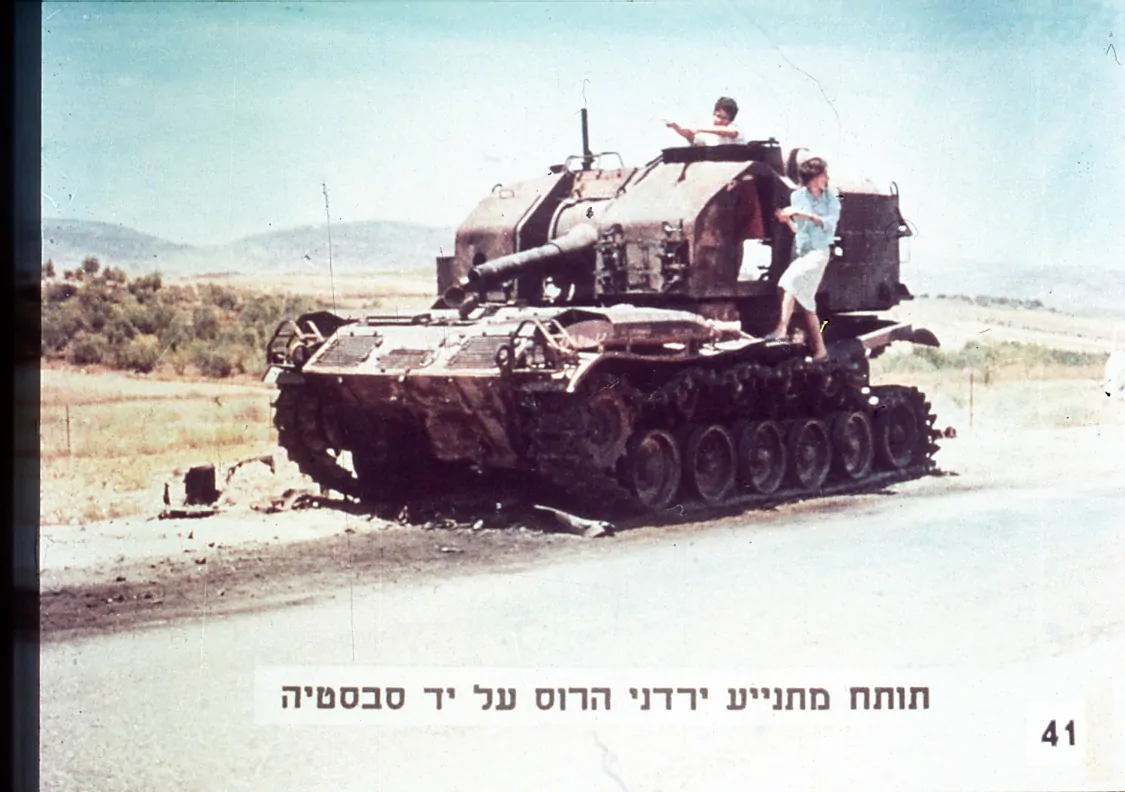

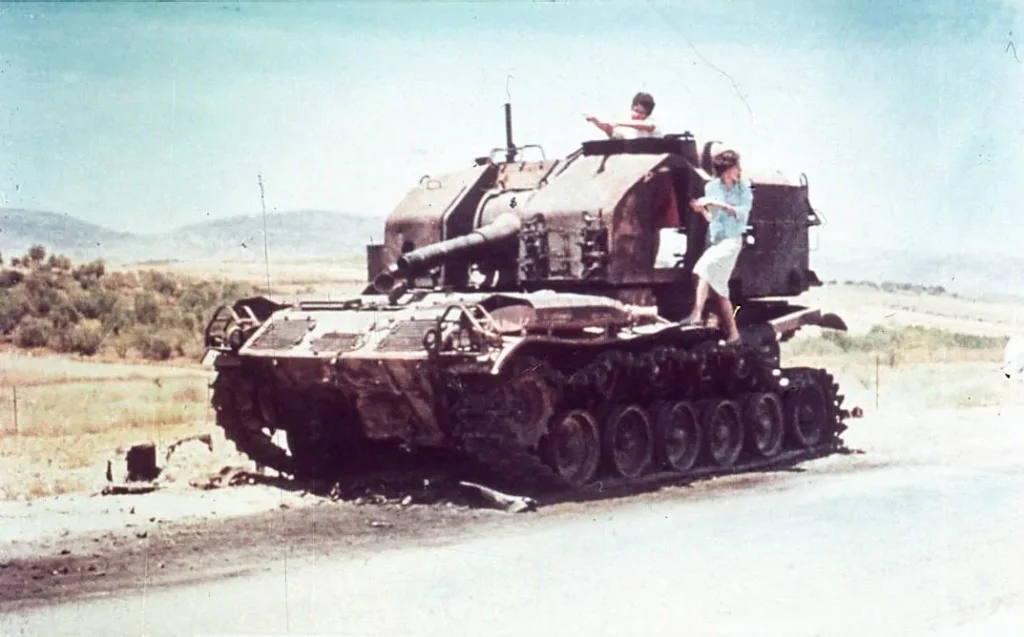
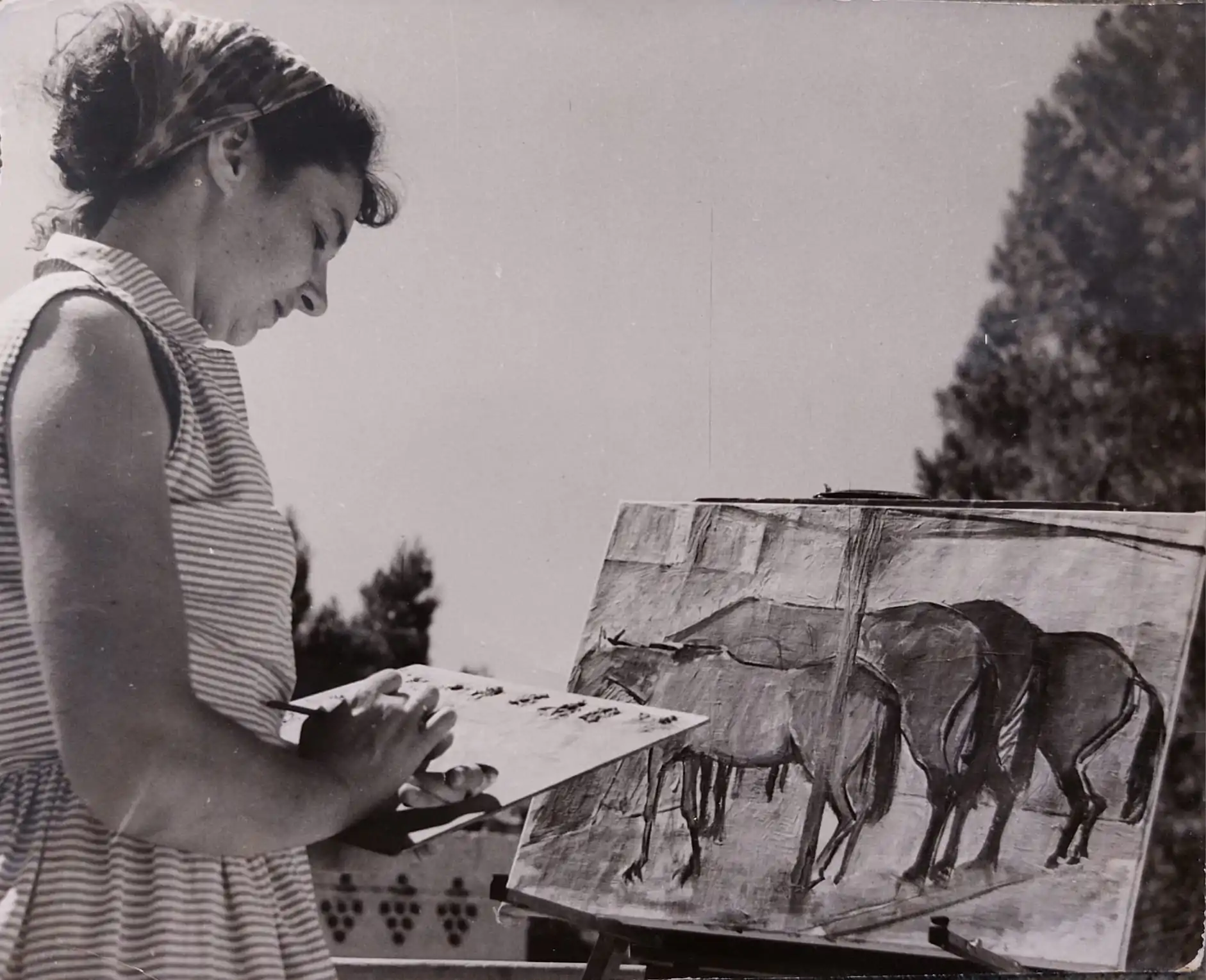
At the Elon Moreh Heritage Center, a new exhibit offers an intimate, visual journey into Samaria in 1968, the year following its liberation in the Six-Day War. Titled “When Samaria Was Still Wild”, the exhibit presents rare color photographs by Danish-born Israeli artist and Bezalel graduate Adina Sumpolinsky, capturing a time when Jews were returning to ancestral lands unseen for generations.
A Rediscovered National Treasure
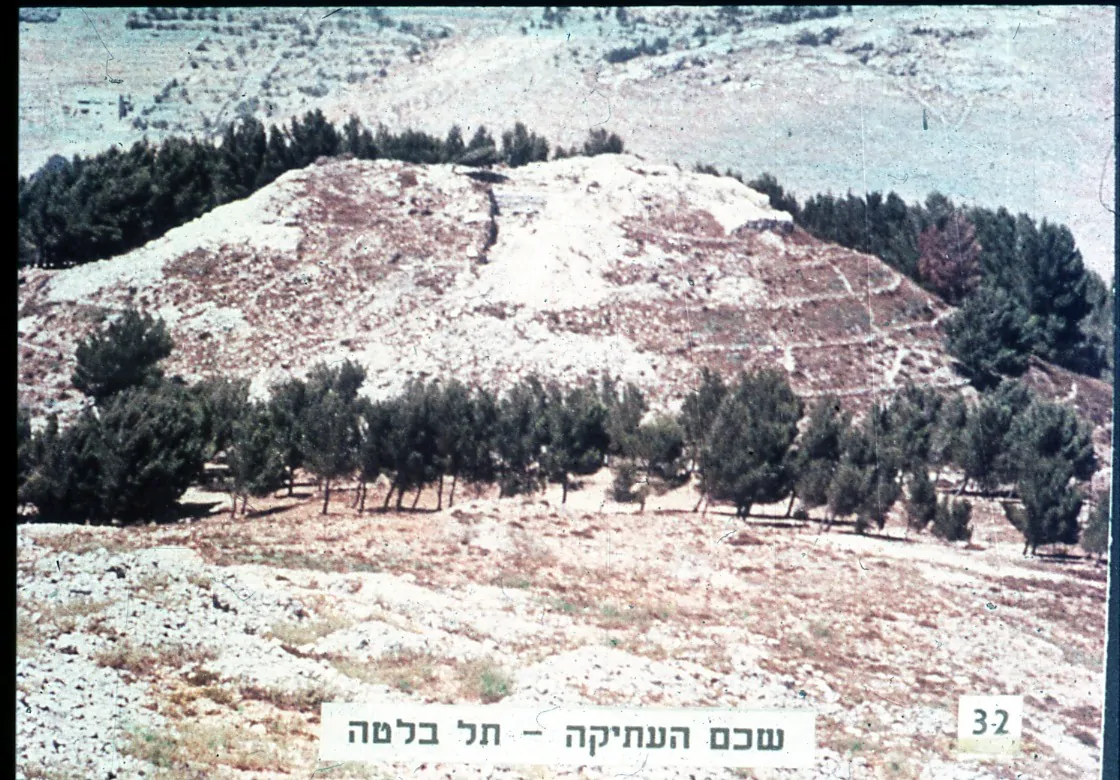
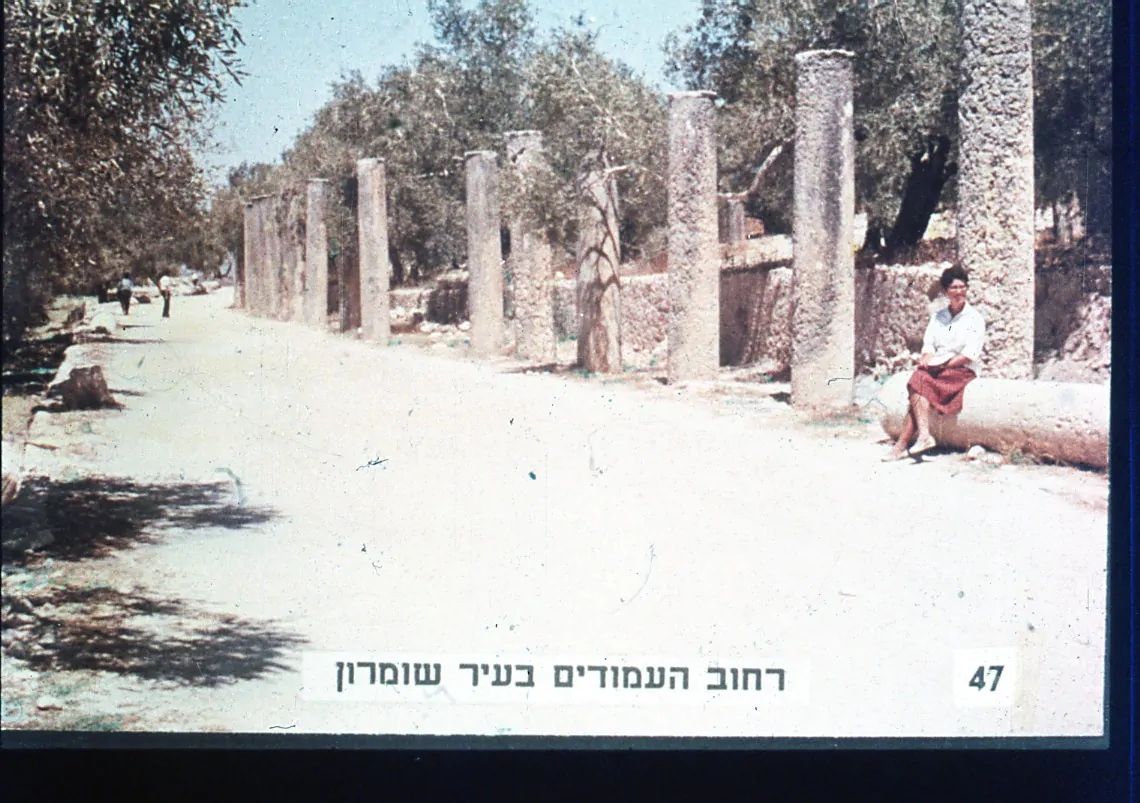
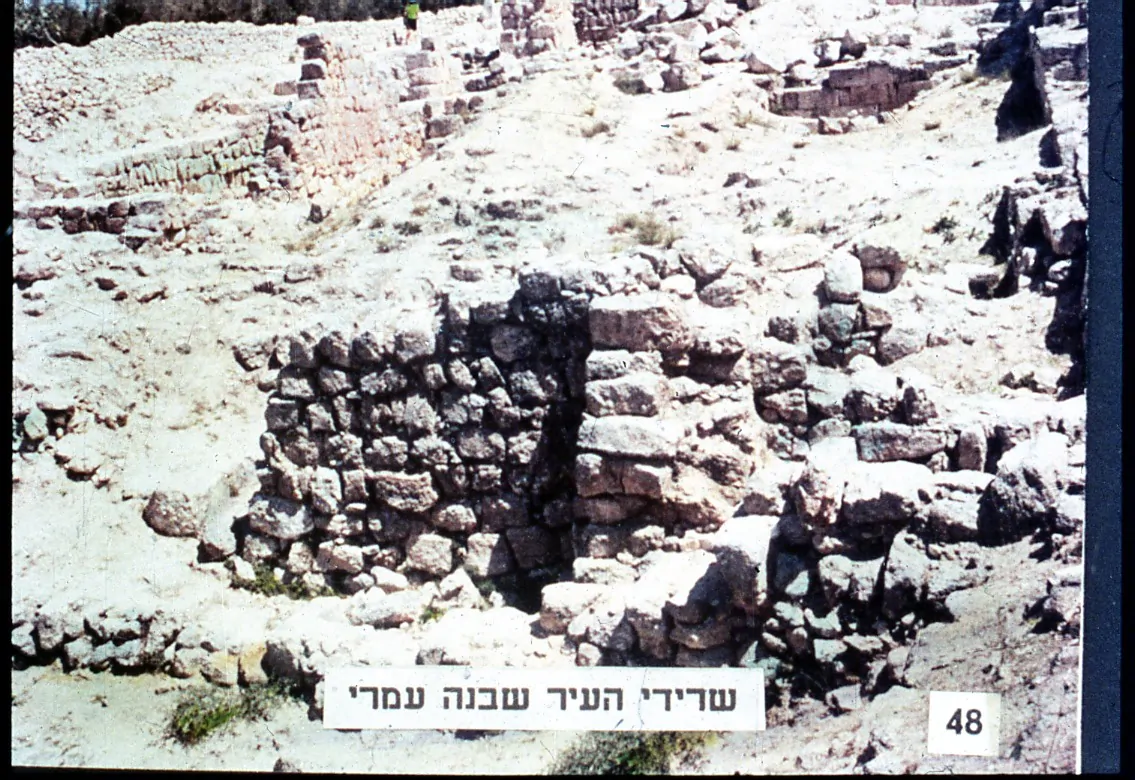
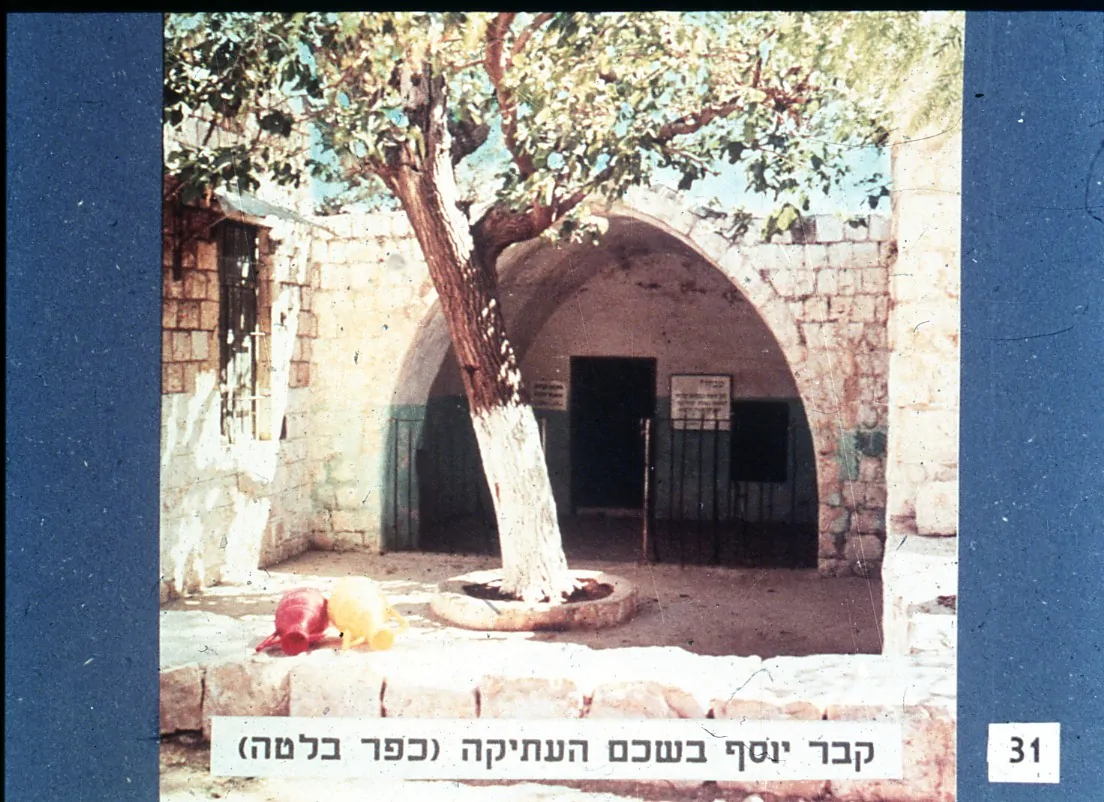
The photographs were recently discovered by Sumpolinsky’s granddaughter, Sarah Korlek, one of the curators at the Elon Moreh Heritage Center. The images include key historic and religious sites such as Joseph’s Tomb, the Nablus market, Dothan Valley, and the ruins of Sebastia and the Balata refugee camp.
“What you see in these photos is not just art—it’s the emotion of a nation rediscovering its roots,” Korlek said.
Through the Eyes of an Artist
Sumpolinsky’s lens captured more than landscapes—it conveyed a feeling of return and renewal. The barren hills and ancient ruins stand in contrast to the vibrant emotional landscape of those first post-war visits.
“There was no infrastructure then—no water, no electricity,” Korlek explained. “My grandmother and mother walked through these places in awe, seeing parts of the land that had been closed off to Jews for decades—perhaps centuries.”
Her pictures reveal an almost forgotten world – Samaria as a rural, sparse, undeveloped region — captured through the sensitive gaze of an artist who documented it as if she were a painter.
A Historic Document of National Significance
Samaria Regional Council Head Yossi Dagan called the exhibit “a national treasure,” adding: “This is a historic record of the Jewish people returning to its heartland. It’s a deeply emotional, visual celebration of our roots—akin to the liberation of Jerusalem itself.”
Dagan emphasized that Samaria’s liberation occurred alongside that of Jerusalem in 1967, forming an inseparable historic link.
Public Opening After Shavuot
The exhibit will officially open to the public following the Shavuot holiday and will be on view at the Elon Moreh Heritage Center, welcoming visitors interested in history, photography, and Jewish heritage.