

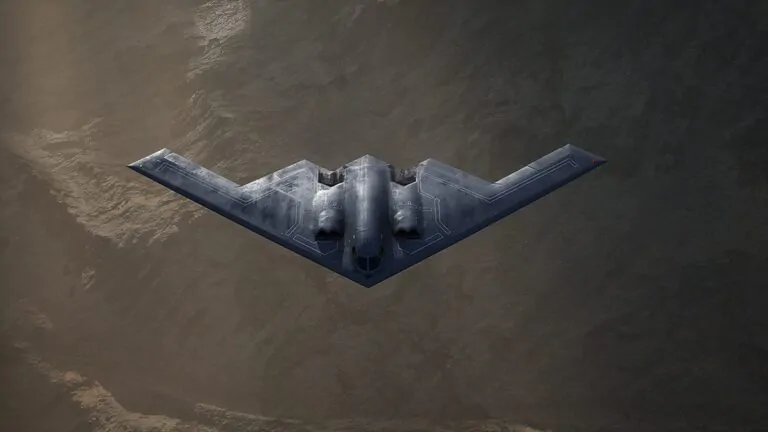
The year was 1999. In the former Yugoslavia, the Kosovo War was underway, and NATO had joined the conflict as part of Operation Allied Force. During the campaign, NATO fighter jets launched a massive wave of airstrikes against Serbia.
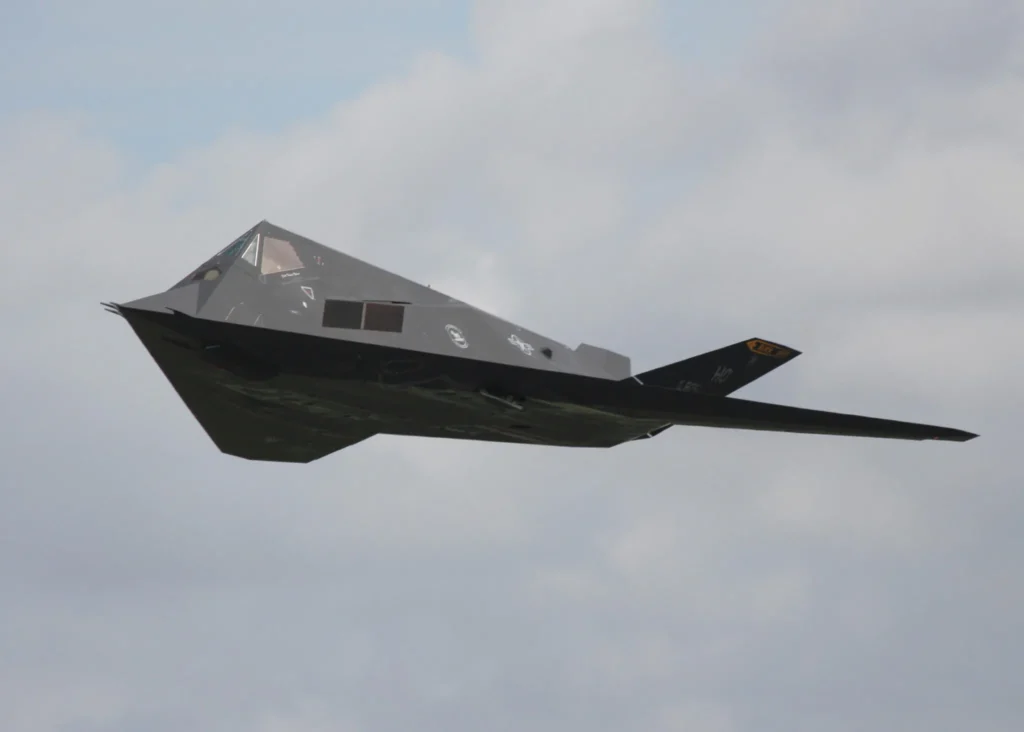
On the night of March 27, 1999, a U.S. Air Force F-117 stealth fighter was en route to bomb targets in Serbia. Until that evening, it was considered virtually undetectable by radar. Then it was spotted—and shot down.
Not Invisible
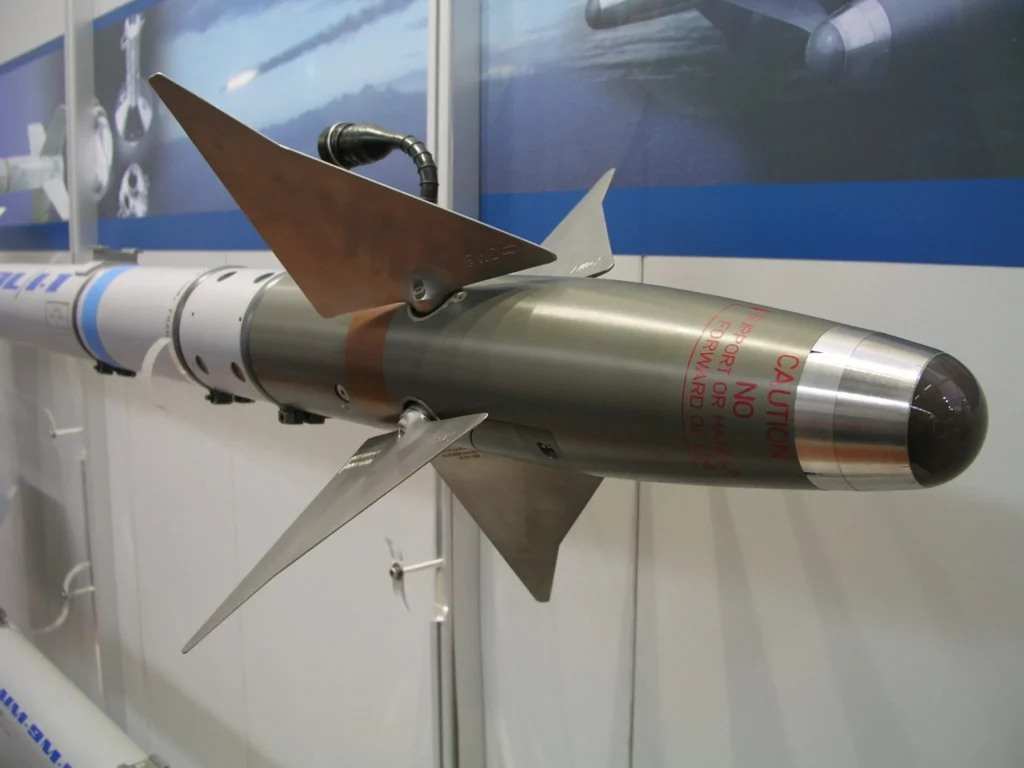
The aircraft was brought down by a Soviet-made surface-to-air missile dating back to the Cold War. The missile battery crew spotted the jet when its bomb bay doors were open, creating a larger radar signature. They fired two missiles—one struck the target and took it down.
Not Quite Hollywood
The term “stealth fighter” immediately conjures up scenes from Hollywood: a jet gliding past air defenses without leaving a trace. But as always, reality is more complex. A stealth aircraft isn’t invisible—it’s just harder to detect. Nor is it immune to missiles—it’s simply harder to lock onto.
So What Is Stealth?
First, let’s understand how aircraft are detected. There are three main methods: radar, heat signature, and visual identification.
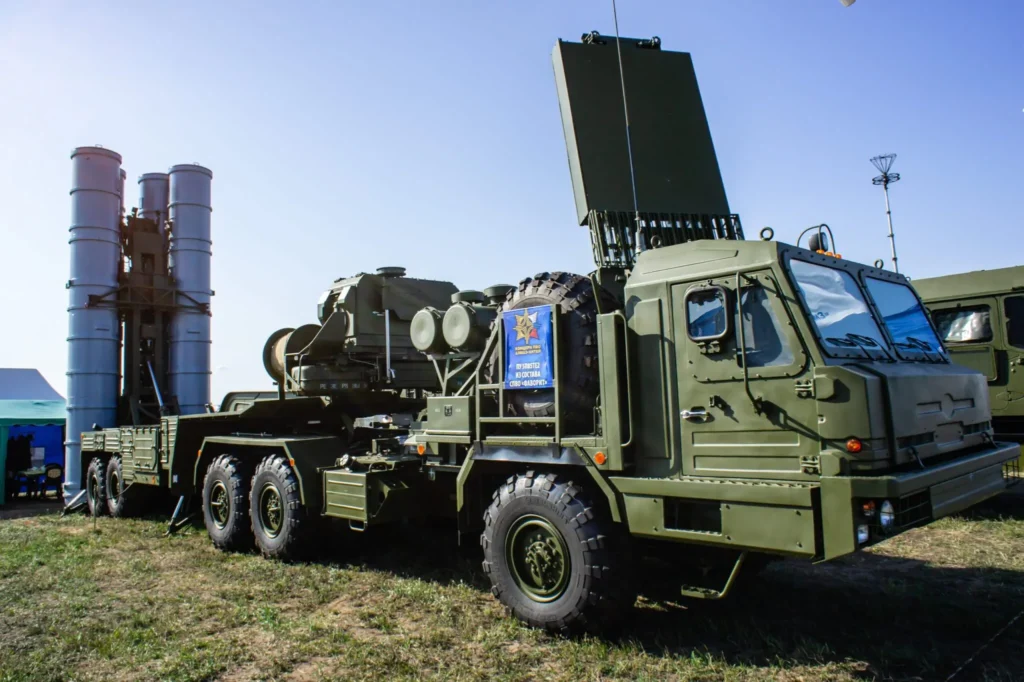
Radar – The most common detection method, radar works by emitting radio waves and analyzing the echoes that bounce off airborne objects. The larger and more reflective an object is, the more clearly it appears on radar.
Heat Signature – All objects emit heat, especially jet engines. Thermal sensors can detect this heat and guide missiles toward it.
Visual Detection – A low-flying jet may be spotted with the naked eye, especially when noise or motion gives it away. Sometimes, simply seeing the aircraft is enough to indicate an imminent attack.
How Does a Stealth Fighter Counter These Methods?
The body of a stealth aircraft is designed with sharp angles to deflect radar waves away from the source, instead of bouncing them directly back. In addition, radar-absorbent materials further reduce reflections. The result: a much smaller radar signature.
To minimize heat detection, stealth aircraft employ several techniques: injecting cool air into the exhaust to lower the jet temperature, enlarging the exhaust nozzles to spread heat over a broader area, and limiting the use of afterburners, which drastically increase thermal visibility.
As for visual detection—there’s not much that can be done. Many countries camouflage their aircraft to blend with the terrain, which is one reason for the Israeli Air Force’s distinctive paint schemes. Stealth aircraft, however, are coated with a special paint that absorbs radar waves.
The F-22 Stealth Fighter in Action, WATCH:
Why Stealth Still Matters
While stealth jets aren’t truly “invisible,” they offer a major tactical advantage. They are detected later, locked onto with more difficulty, and sometimes not noticed at all until after completing their mission. This gives them the ability to penetrate deep into enemy territory, gather intelligence, destroy radar systems, or strike sensitive targets—without triggering an immediate defensive response.
Stealth aircraft reduce risk to the pilot, increase the success rate of deep-penetration missions, and enable precision strikes in situations where conventional jets would need heavy air support. Their advantage lies in the ability to strike without being seen—and sometimes to disappear before the enemy realizes what happened.
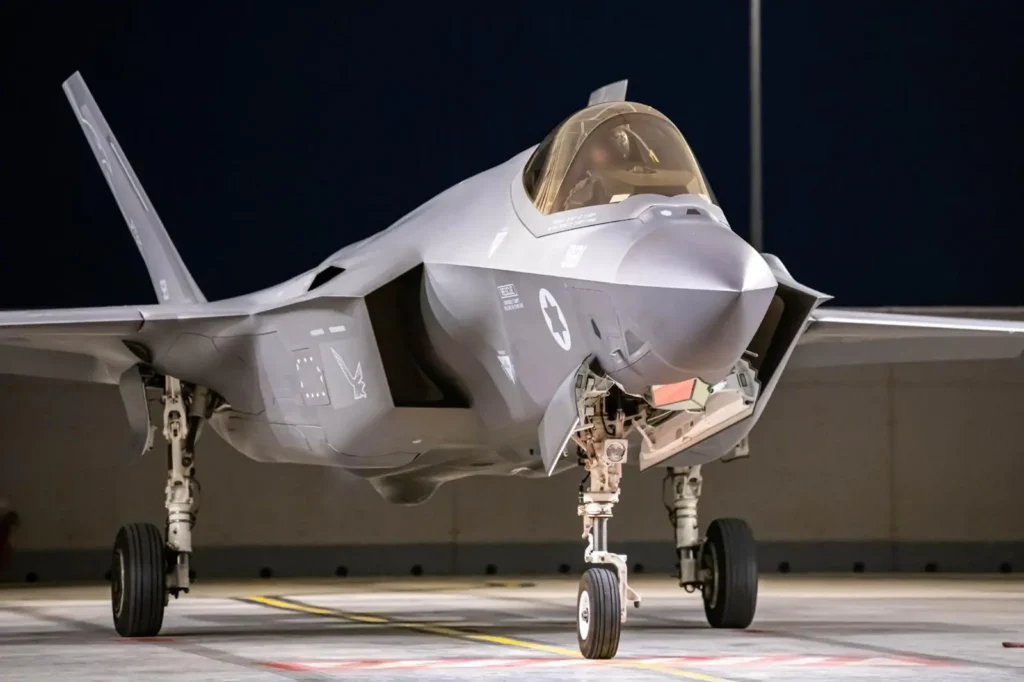
Israel’s Adir in Action, WATCH:
And It’s Already Been Proven in the Field
In March 2021, Israeli Air Force Adir jets intercepted two Iranian Shahed drones launched toward Israel from Iran. It was the world’s first-ever air-to-air kill performed by an F-35—proof of the aircraft’s ability to detect and neutralize aerial threats before they enter Israeli airspace.
According to foreign reports published in The National Interest, Adir jets entered Iranian airspace several times during 2022 without being detected by Iranian or Russian radar systems.
Additionally, foreign aviation reports state that during Operation “Days of Repentance” in October 2024, Adir jets participated in airstrikes on military targets in Iran. These strikes reportedly included the destruction of air defense systems and were cited as proof of the aircraft’s stealth and electronic warfare capabilities.