
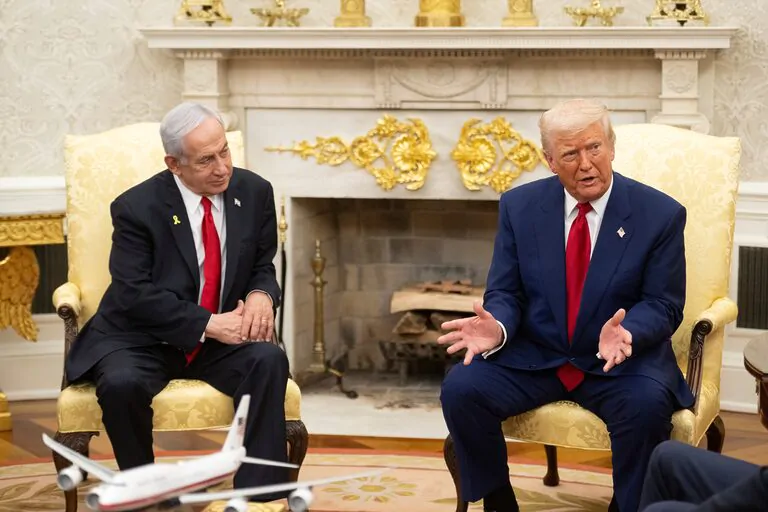
U.S. President Donald Trump held a 40-minute phone call this evening (Monday) with Israeli Prime Minister Benjamin Netanyahu. The main topic of the conversation was Iran and the ongoing nuclear negotiations between Tehran and Washington. Following the call, the Prime Minister held a closed security meeting, one of many recent discussions on the matter.
Awaiting Iran’s Response
The conversation took place shortly after Iran announced it would soon submit its official written response to the proposed nuclear agreement with the United States—addressed directly to President Trump.
Military Option on the Table
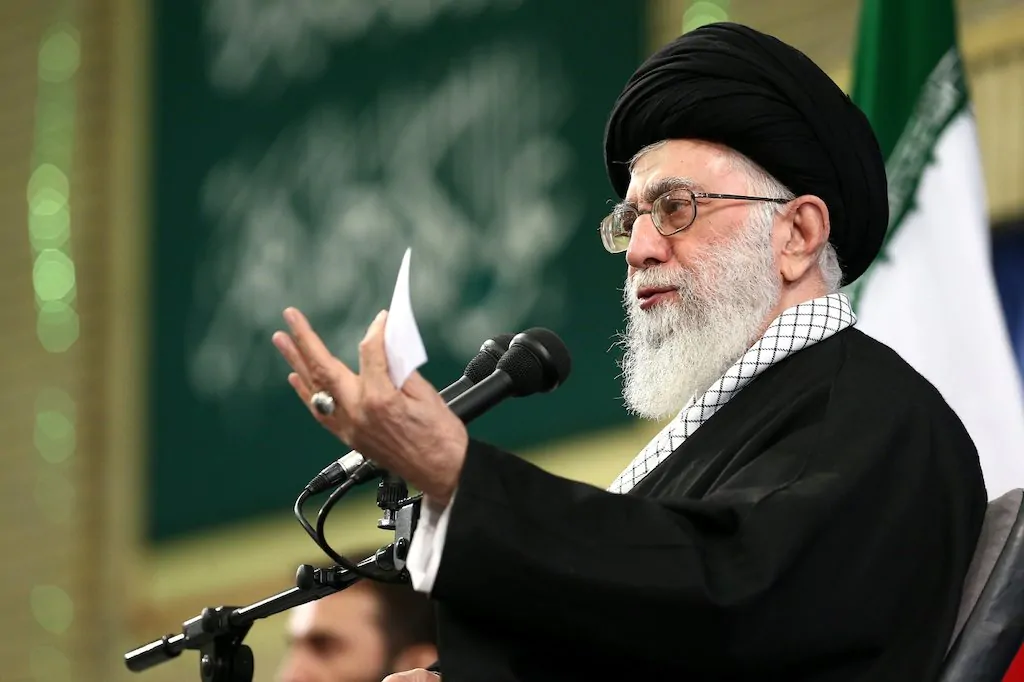
As previously reported, Israel’s defense establishment is closely monitoring the ongoing nuclear talks. Tensions escalated after Iran’s Supreme Leader, Ayatollah Ali Khamenei, firmly rejected the American demand to halt all uranium enrichment. In response, Trump publicly threatened Iran, warning that the United States would take military action if uranium enrichment continues.
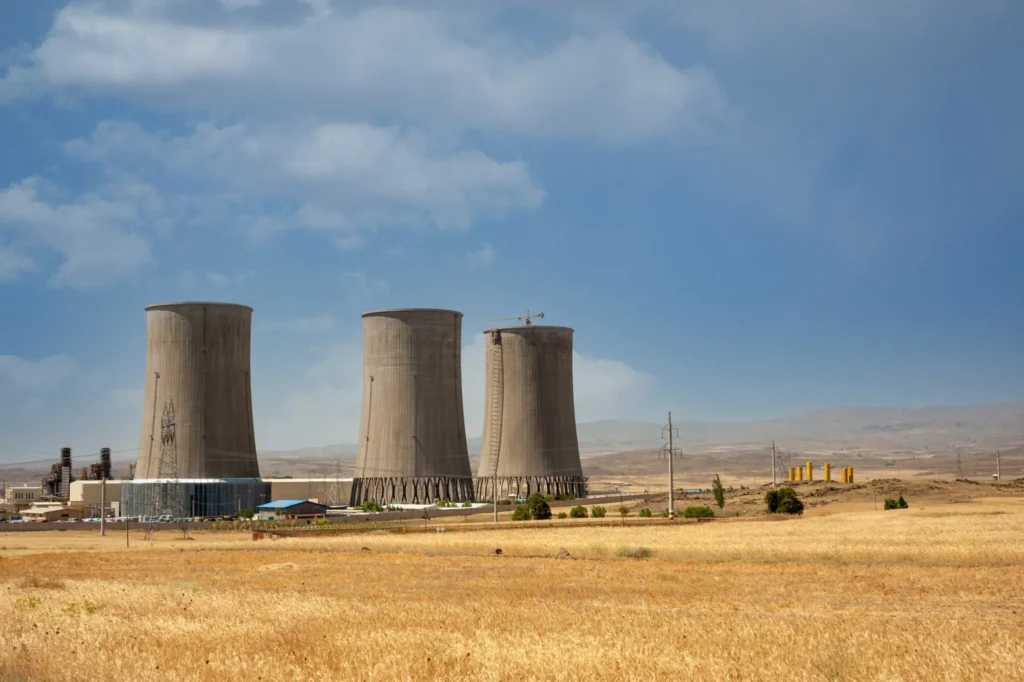
Within the Trump administration, the focus has shifted beyond diplomacy. Officials are now considering ways to strengthen Middle East defenses, including the potential deployment of U.S. military forces in the region.
U.S. Support for Israel’s Defense Systems
Among other developments, reports indicate that the U.S. is weighing increased military support for the region. This includes bolstering air defense systems and delivering anti-drone missile systems. These steps are expected to enhance Israel’s aerial defense and ensure that U.S. forces remain on high alert in the face of Iranian threats and terrorism.
An Israeli security source, quoted anonymously in American media, said: “The deployment of American assets to this region reflects a shift in Washington’s outlook—recognizing that the Middle East is once again a central front. That’s true for Israel, and for anyone who sees the Iranian-Russian axis as a transcontinental challenge.”