
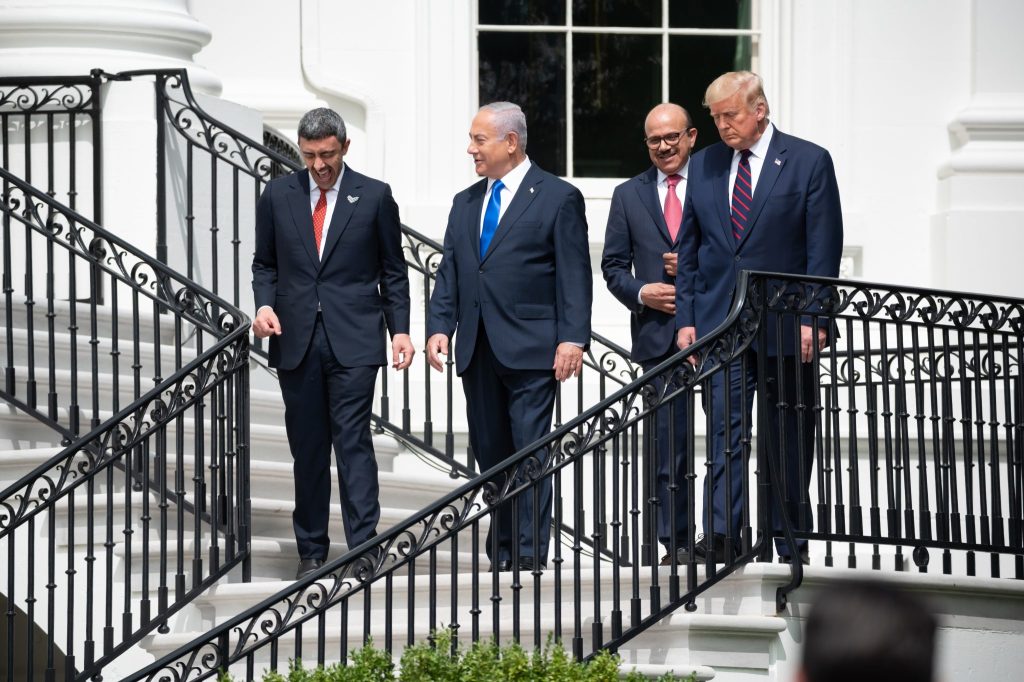
Newly re-elected U.S. President Donald Trump is set to hold his first meeting of his second term with a foreign leader—and none other than Israeli Prime Minister Benjamin Netanyahu. The meeting is scheduled for tonight (Tuesday) at 11 PM Israel time in the Oval Office at the White House in Washington, D.C. The summit will last approximately 90 minutes, followed by a joint press conference, which will serve as an important message of political unity between Israel and the U.S., reinforcing the strong alliance between the two nations.
A Schedule Packed with Meetings
Netanyahu’s week-long diplomatic visit to the U.S. is filled with high-profile meetings. Shortly after landing yesterday, he met with National Security Advisor Mike Waltz and Trump’s Special Envoy to the Middle East, Steve Witkoff. Senior officials in Netanyahu’s office described the discussions as “positive and friendly.” Today, Netanyahu is dedicating himself to the crucial meeting with the President, which forms the centerpiece of the trip.
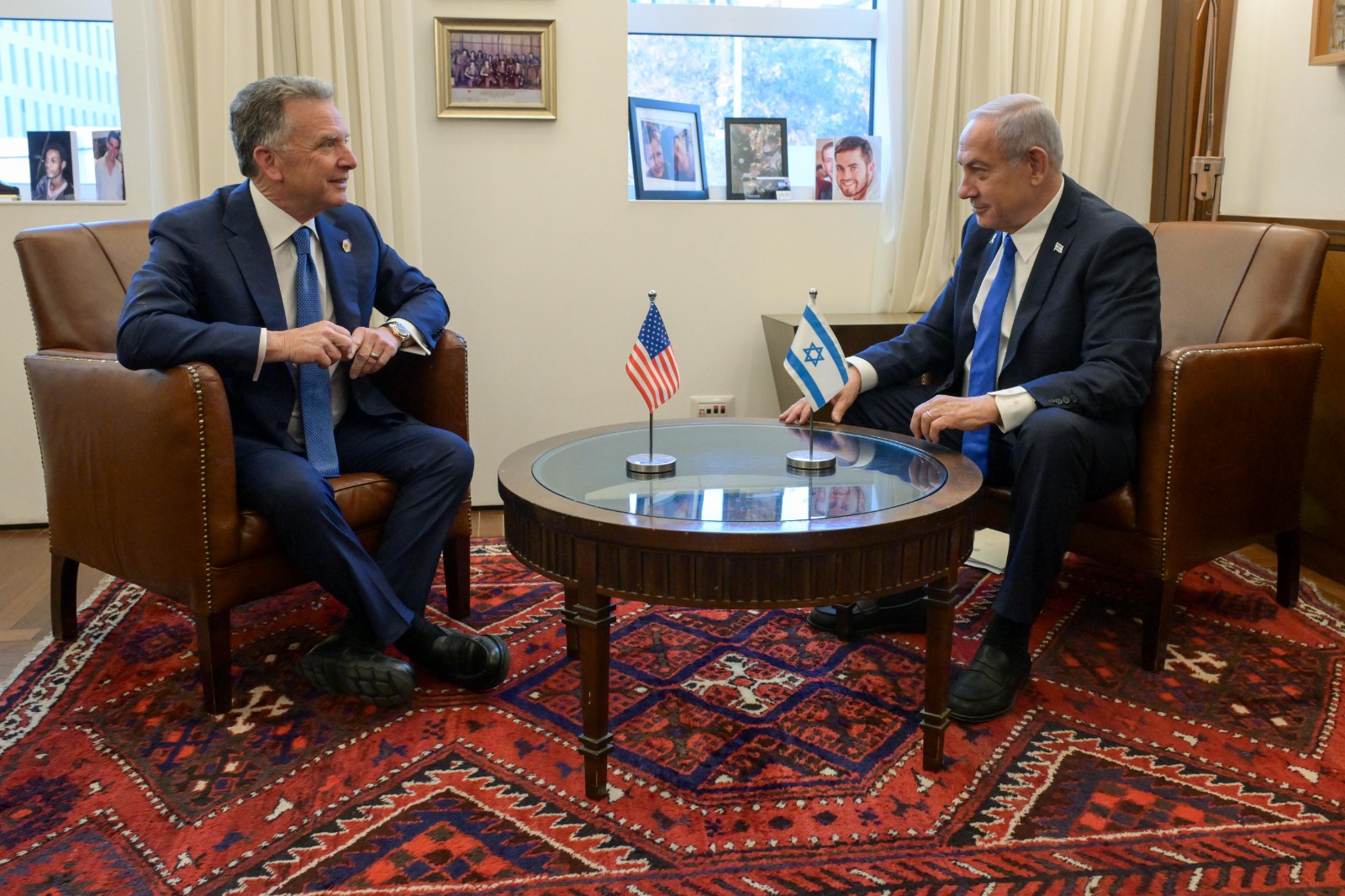
Tomorrow, Netanyahu is expected to meet again with Waltz and also with Pete Hegseth, Trump’s new Secretary of Defense, a staunch supporter of Israel. On Thursday, he will meet with Senate Majority Leader John Thune, followed by discussions with additional congressional leaders from both parties. Over the weekend, Netanyahu will spend time with his family before returning to Israel immediately after Shabbat.
Crucial Decisions Ahead
Netanyahu is expected to discuss the most pressing foreign policy and security issues with Trump. Their shared conclusions will determine Israel’s strategic direction in the ongoing war and the broader Middle East landscape. The most urgent topic on the agenda is the continuation of the hostage deal, the future of the Gaza conflict, and potential efforts to dismantle Hamas’ rule. Additionally, discussions will cover the Lebanese front, the stability of the northern ceasefire, and strategies to weaken Hezbollah in light of recent dramatic developments in Syria.
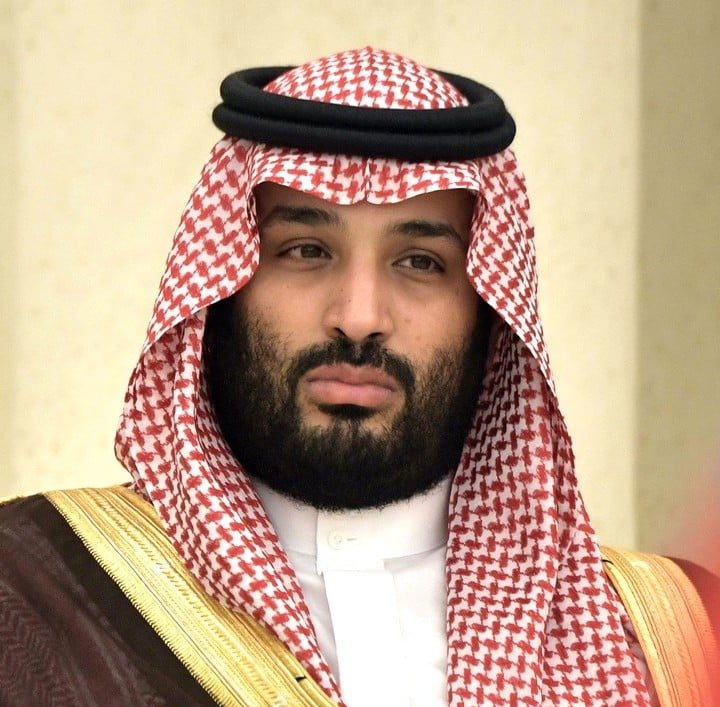
Furthermore, the two leaders will deliberate on Israel’s relations with Saudi Arabia and Trump’s ambitions to advance normalization agreements with Israel—continuing discussions initiated during his previous administration as a natural extension of the Abraham Accords. This issue could have significant implications for the final and perhaps most strategic topic of the evening: Iran policy, including the prospects of a military strike on nuclear sites or the negotiation of a renewed nuclear agreement.
Navigating Complex Negotiations
While Trump and Netanyahu appear aligned on matters such as Lebanon and Saudi Arabia, Trump’s precise stance on Gaza and Iran remains uncertain. Netanyahu may need to bridge policy differences between Trump’s emerging positions and his own strategic priorities. Additionally, Netanyahu faces internal political pressures from coalition partners, each advocating different approaches. Trump may attempt to link various issues into comprehensive deals, while Netanyahu will assess whether he can separate them into manageable stages that better serve Israel’s interests.
The Iran Dilemma
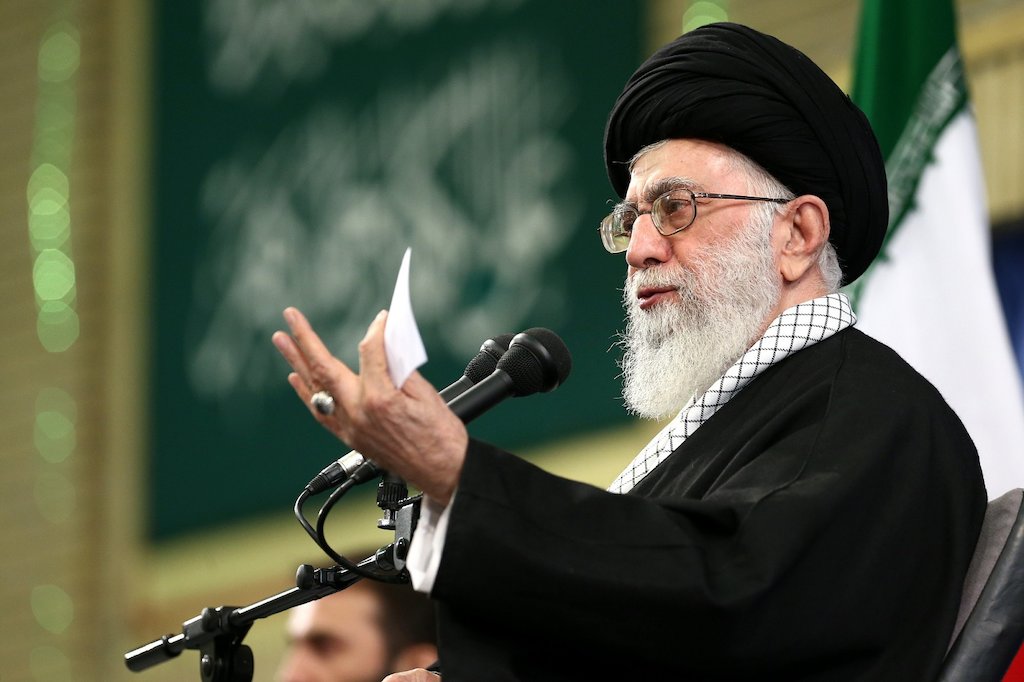
According to Brigadier General (Res.) Uri Dekel on 103FM Radio, Trump is expected to propose a major deal—finalizing the hostage exchange in exchange for Saudi normalization and a substantial U.S. arms deal with the Saudi military, strengthening the regional balance of power against Iran. Meanwhile, Israel’s news channel, N12’s Nir Dvori reports that Netanyahu is expected to counter with a priority shift—first launching a strike on Iran to accelerate Saudi normalization, and only afterward finalizing the hostage deal under terms more favorable to Israel.