

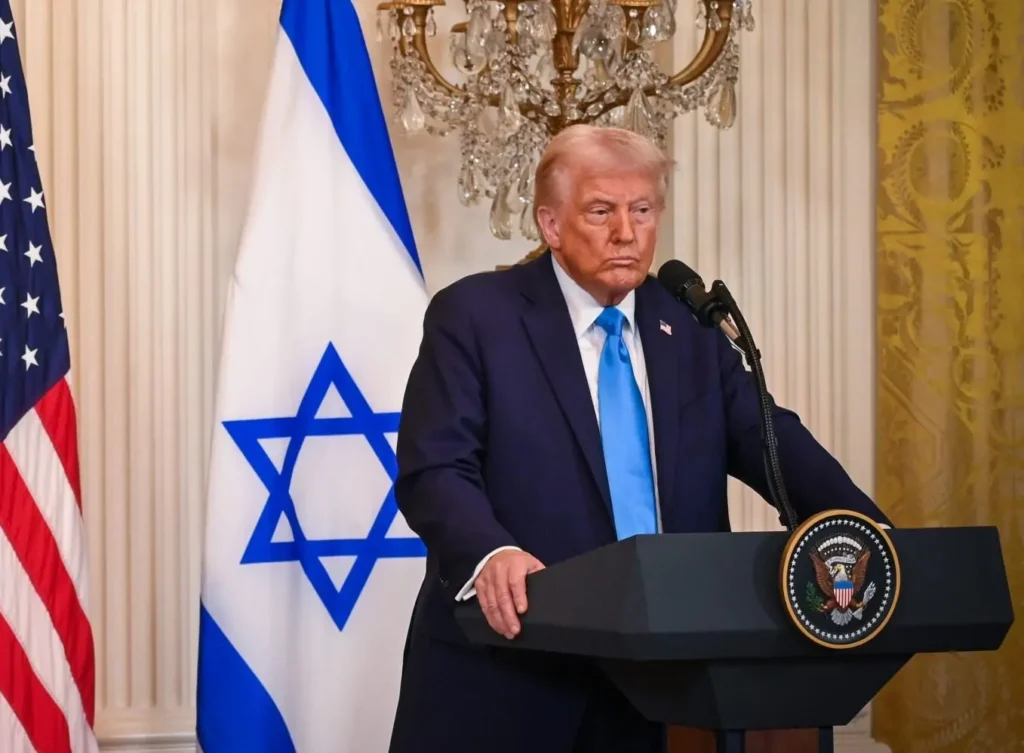
Remember Trump’s first term
Since Donald Trump first ran for the presidency of the United States, back in the mid-2010s, various self-proclaimed experts from the media and political sphere warned Israelis he was a danger to Israel. They said he was capricious, unpredictable, and could turn against his allies at any moment.
Trump’s first term passed, and contrary to predictions, there was no sudden reversal. What did happen? The U.S. exited the Iran nuclear deal and imposed unprecedented sanctions on Tehran, moved its embassy to Jerusalem, recognized Israeli sovereignty over the Golan Heights, established peace agreements with several Arab states, and more.

The Alarmists are Back
Despite these achievements, pessimists and naysayers seem to have a short and selective memory. As soon as Trump announced his candidacy for the presidency again, they warned that this time it was serious. They claimed Trump would only care about his legacy and disregard Israel. They even speculated that Prime Minister Netanyahu was angry at him and unable to work with him.
But the reality after the elections was quite different. The Israeli Prime Minister was the first leader invited to the White House—not once but twice. Trump declared that Iran would never have nuclear weapons, stated that Hamas would not remain in Gaza, and warned that if all hostages were not returned, the terror organization would face severe consequences. He even proposed a migration plan for the Gaza Strip.
Right-Wing Concerns Arise
Despite this, pessimists remained unconvinced, especially when right-wing figures were in power. They constantly reported, citing anonymous sources, about strained relations between the U.S. President and the Israeli Prime Minister, claiming that Israel no longer mattered to the American administration and that Trump had abandoned its ally.
Some concerns even surfaced within the Israeli right, worrying that Israel had been left to fend for itself. This narrative was reinforced by Trump’s agreement with the Houthis, the initiation of negotiation talks with Iran, and his efforts to end the Gaza war, seemingly without consulting Israel.
Official Statements vs. Speculation
In a recent interview, U.S. Ambassador to Israel and Trump’s close confidant, Mike Huckabee, put it clearly: “Those who know, don’t speak. Those who speak, don’t know.”
Huckabee advised interviewers and the Israeli public not to take anonymous briefings seriously but to pay attention to official statements from Trump or his close associates.
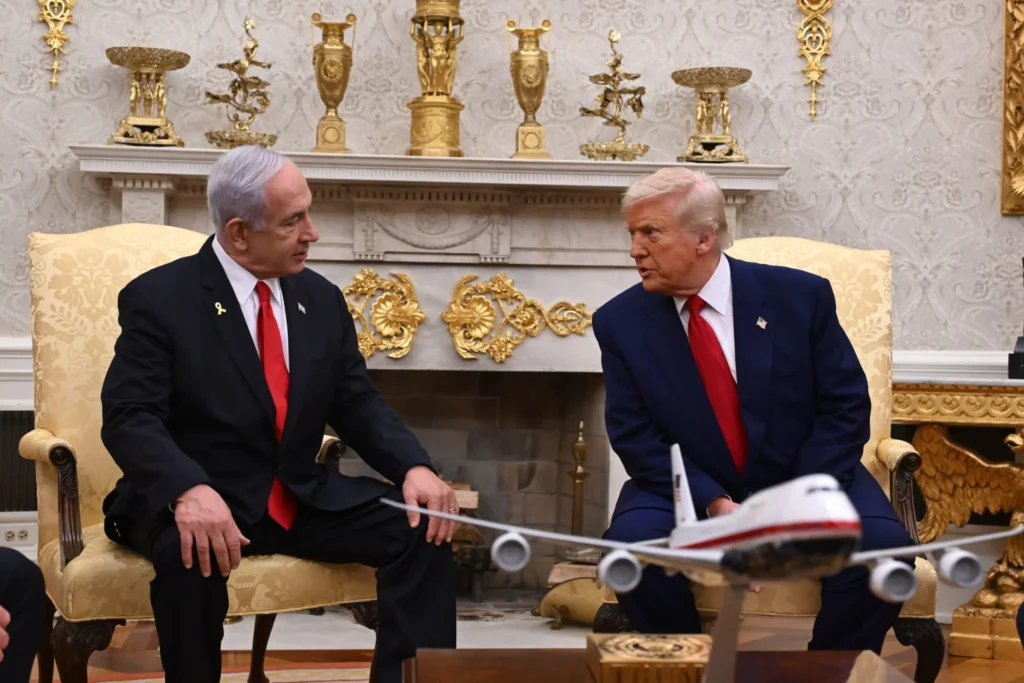
Huckabee further emphasized that no other leader in the world had spent as much time with Trump as Netanyahu, dismissing claims of a rift. Former U.S. Ambassador and Trump’s close friend, David Friedman, echoed this sentiment, dismissing the alleged split as “fake” and attributing it to those with ulterior motives.
A Reminder: Trump is the U.S. President
It is crucial to remember that Trump is the President of the United States, not Israel. Therefore, his primary responsibility is to his own country and its citizens. Yet, he and his administration have consistently declared their unwavering support for Israel, often aligning with the policies of Israel’s right-wing factions.

The Yemeni Houthis have been attacking Israel for over a year and a half. About two months ago, Trump ordered an attack on the Yemeni terror group—not because of their missile strikes on Israel, but because they targeted American ships. Once the Houthis pledged to stop attacking American assets, the U.S. halted its operations—a straightforward equation.
Dealing with Iran and Gaza
Regarding Iran, Trump prefers, as he stated after and before being elected, to resolve issues through agreements rather than war. Throughout, he and his administration have affirmed that Iran will not acquire nuclear weapons. While many remain skeptical about Iran’s intentions, Trump recognizes that a nuclear Iran poses a threat not just to Israel but to the world.
On the Gaza front, it’s important to lower the anxiety levels. Trump wants to end the war and secure the release of all hostages. Yet, he has repeatedly stated that Hamas will not remain in Gaza, which will ultimately be demilitarized. In any case, he and his advisors have made it clear that they will not impose any agreement that Israel does not support.
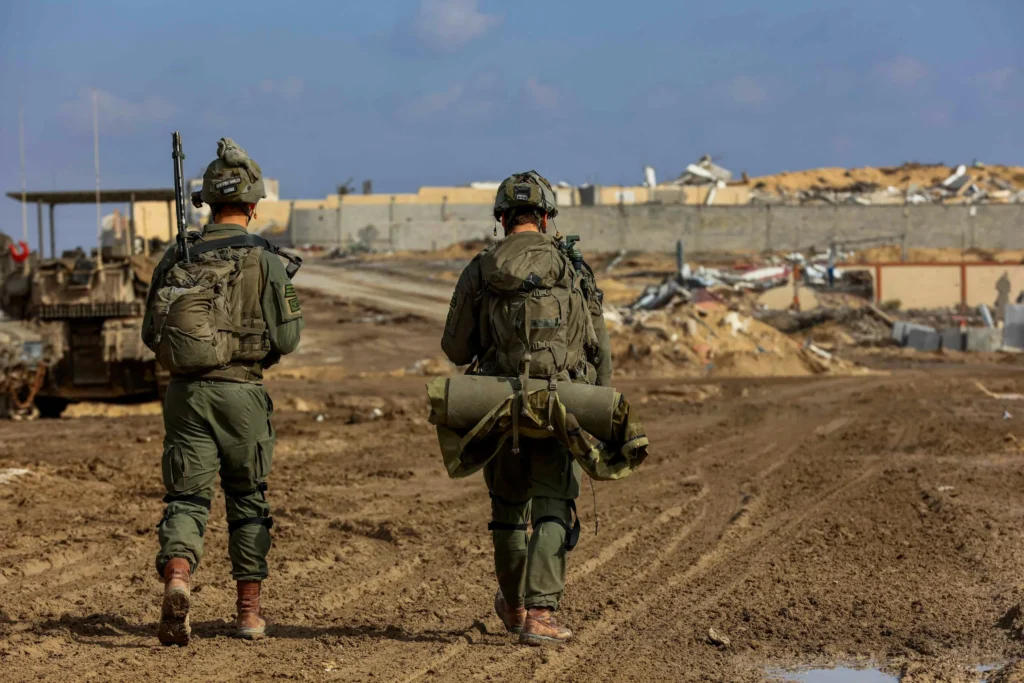
The Reality Since Trump Took Office
Since Trump assumed office, the U.S. has lifted the quiet embargo imposed by Biden and Harris, providing Israel with unprecedented quantities of weapons and military equipment. Additionally, it has offered international backing, especially against the International Criminal Court in The Hague, and taken steps to combat antisemitism and support for terrorism in American academic institutions.
We Shape Our Own Destiny
Therefore, the expectation among Netanyahu’s opponents that Trump would abandon Israel simply does not align with reality. Right-wing fears of U.S. abandonment are also baseless. We have strong friends in the White House, but it is essential to remember that Israel’s destiny is determined not in Washington, but in Jerusalem.
By: Moshe Vistoch