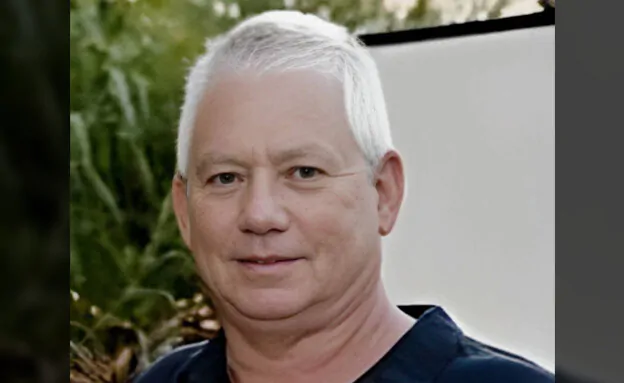

Dr. Vladi Dvoyris, reserve officer in the IDF’s Casualty Identification and Cause of Death Unit:
On October 7, 2023, and throughout the Swords of Iron War, I wasn’t in Gaza, or the Gaza Envelope, or even up north. I didn’t fire a single bullet during the entire war. But I saw more dead bodies than most soldiers ever will—and far more than any ordinary person is likely to see in their lifetime.
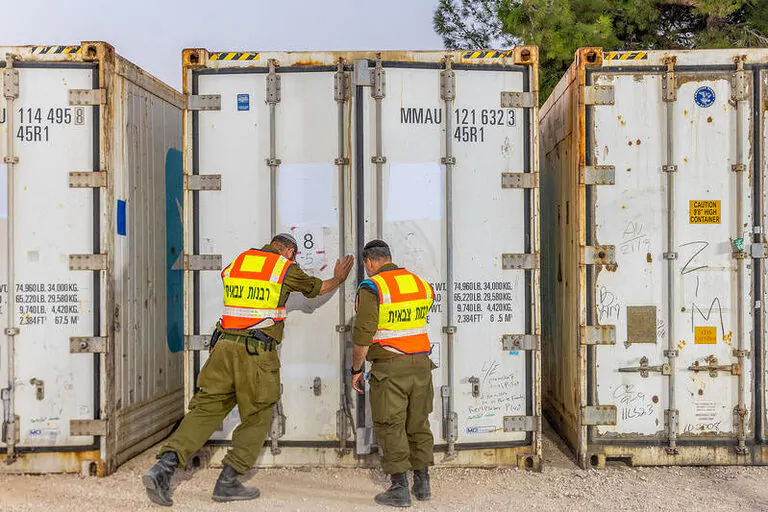
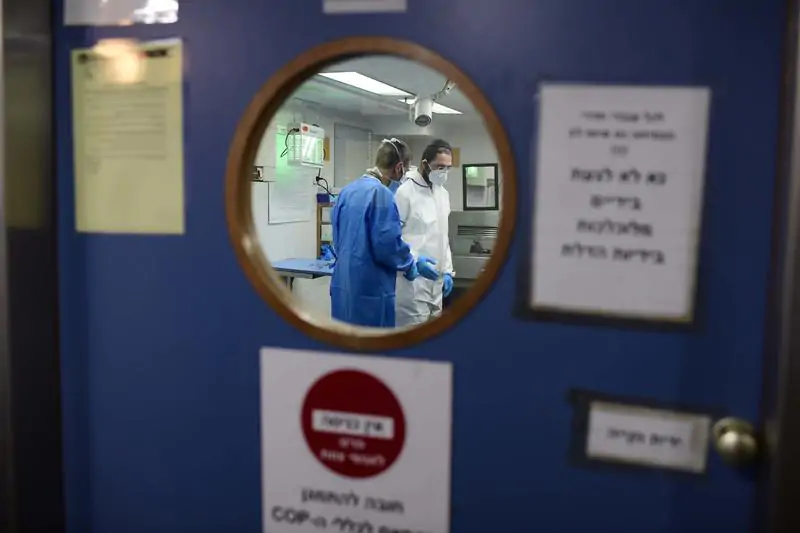
As part of my reserve service, I was assigned to body identification at the Shura Base near Ramla, and I carry with me everything I saw there.
Perhaps one day, the story of this unit will be told—only a few hundred reservists who were called up on the morning of Simchat Torah, as the scale of the catastrophe was only beginning to emerge. For many of us—soldiers in the Casualty Identification Unit, doctors and dentists, geneticists, investigators, and commanders—it was a headfirst plunge into the deep end, without a moment to prepare ourselves before. There simply wasn’t time.
A mission of compassion
What motivated us all was the understanding that beyond the duty of providing a proper burial, we had to identify each and every person without a doubt—so their families could have certainty, a chance to grieve, and a grave to cry over. It’s a natural process, and though it leaves scars, those scars are also part of healing.
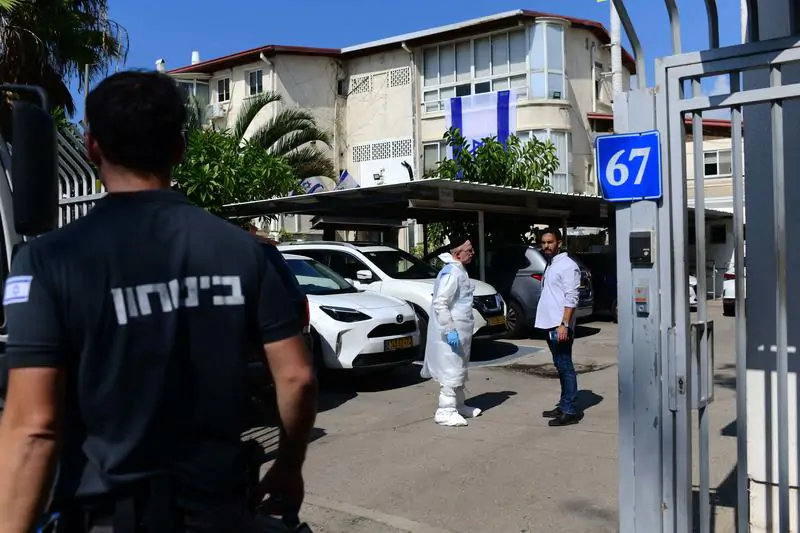
We were extremely careful not to encounter the families of the fallen. In a country as small as Israel, where everyone knows someone who was killed or wounded, this was a difficult task. But without that necessary distance, we wouldn’t have been able to keep functioning.
If I could say just one thing to the grieving families, it would be this: know that we did this for you, too—for those who are still living. So your lives wouldn’t remain suspended in endless uncertainty.
We carry the sights, the smells, and the memories of Shura with us. These aren’t stories of battlefield heroics that are easy to share. People recoil when they hear about the death that, for us, became a near-daily occurrence—as we went to Shura day after day, like going to work.
Beyond that, we’re limited in what we can share out of respect for privacy, for the sanctity of the dead, and out of our desire not to traumatize those around us by unburdening our own pain.
“Some give their lives in battle for a noble cause; others give their souls so that others can heal.”
I came to understand, only in hindsight, that this is what I was doing there—I left a piece of my soul at Shura. I don’t regret it for a moment, because it served a vital purpose.
Still, it’s clear that this emotional toll—even if invisible, even if “just part of the job”—has consequences. For us. For our spouses. For our children.
“I don’t regret it for a moment, because it served a vital purpose. Still, the emotional toll has consequences.”
That’s why it’s so important that we—the hundreds of reservists, soldiers, and commanders in the IDF’s Casualty Identification Units—receive formal recognition, appreciation, and support. That includes official recognition of the psychological risks and the unique contribution of our unit, funding for mental health treatment—including for spouses—rest days, vacation time, and financial assistance to help us return to a routine life.
Acknowledging what we’ve endured—and the wounds we carry
When we were called to serve on October 7, 2023, we didn’t hesitate. We knew it was the right thing to do for our country.
Now, just before the fighting may intensify again and we may be called back into service, this is the moment for the state to take care of us—to acknowledge the severity of what we went through and the emotional trauma that came with it.
To give us and our families the means and the opportunity to heal.
We are not asking to be recognized as combat fighters. We don’t need medals or decorations.
We just want to come home in peace.
This article was written by Dr. Vladi Dvoyris, a dentist and a reserve officer in the IDF’s Casualty Identification and Cause of Death Unit, Medical Corps.