
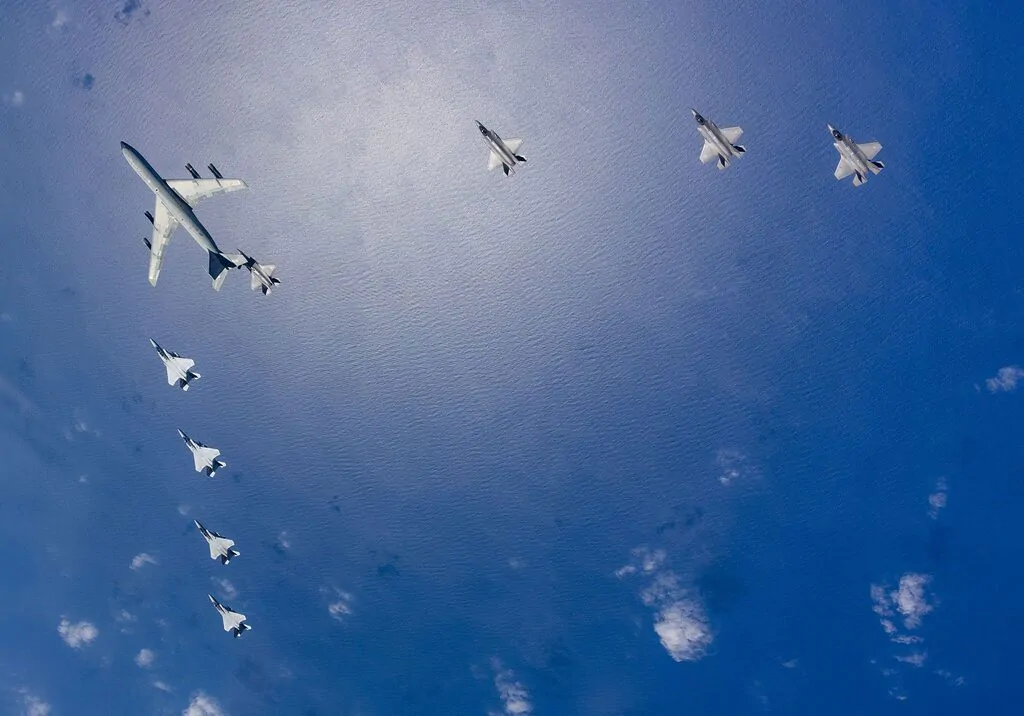
Overnight between Saturday and Sunday, the United States launched a powerful combined air and naval operation striking key nuclear sites in Iran—Fordow, Natanz, and Isfahan. The assault included targeting a facility hidden in the mountainside near Isfahan believed to store enriched uranium and related equipment. According to a source cited by i24NEWS, the strike destroyed sensitive infrastructure without harming Iranian soldiers or civilians.
U.S. Defense Secretary Pete Hegseth declared that the American operation obliterated Iran’s nuclear program, without targeting Iranian troops or civilians.
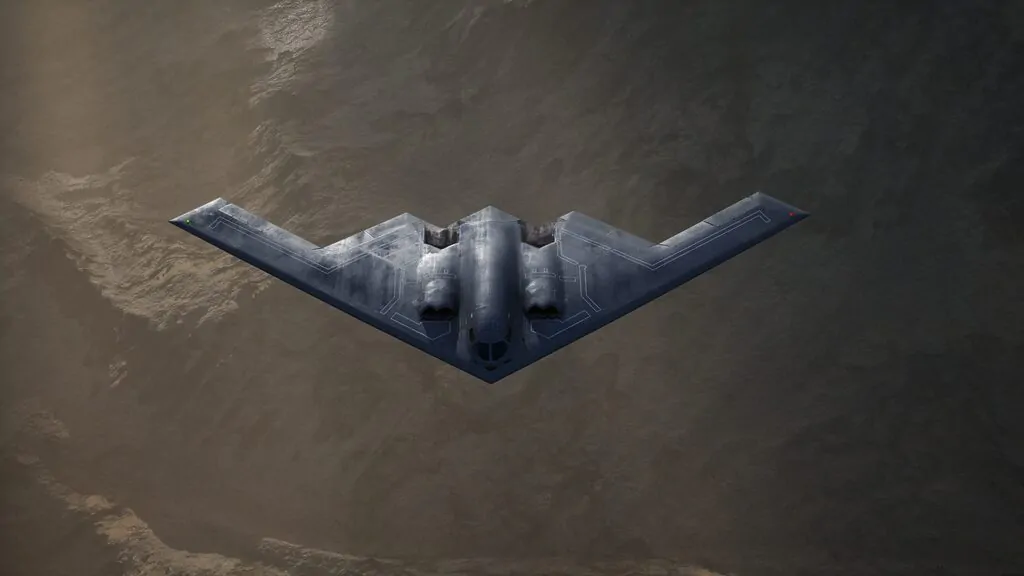
The American strike, named Operation Midnight Hammer, was part of a wider allied effort. According to updated reports, Israel’s Air Force completed over 1,000 strike sorties involving hundreds of aircraft, disabling more than 200 surface-to-surface missile launchers. However, the conflict has come at a cost: 24 Israelis were killed since the start of the operation, over 1,290 were injured—including 14 seriously—and more than 10,600 civilians have been displaced.
IDF Continues Operations
In a first-of-its-kind deep strike inside Iran, Israeli Air Force jets targeted Khorramshahr surface-to-surface missile depots in the Yazd region, approximately 2,200 kilometers from Israel. The operation marks the farthest Israeli strike to date as part of ongoing efforts to neutralize threats before they materialize.
. . :
Yazd
IAF fighter jets struck the “Imam… pic.twitter.com/ZARmIvqdbd— Israel Defense Forces (@IDF) June 22, 2025
“Before the missiles could be launched at the State of Israel, we destroyed them. We are acting decisively to protect the home front,” said an IDF statement following the strike on the Khorramshahr missile warehouses in central Iran.
The mission was carried out by Israeli fighter jets flying over Iranian territory, targeting long-range missile storage sites. Air Force Commander Maj. Gen. Tomer Bar and Head of Air Operations Brig. Gen. Gilad Keinan personally oversaw the operation in real-time from the control center.
Air Force Commander Bar stated: “In broad daylight, we surprised the ‘Imam Hossein’ missile command in central Iran—the furthest target we have struck so far. We destroyed Khorramshahr missiles before their launch and struck tunnel storage infrastructure. We are continuing waves of strikes across Iran, disrupting their ability to launch barrages into Israeli territory, degrading their firepower capabilities, and acting with determination to protect and reduce attacks on the Israeli home front.”
As part of its ongoing campaign, the IDF also struck a Revolutionary Guards training camp, a missile site, and a separate target near Bushehr. Additionally, it confirmed that just prior to this morning’s missile barrage on Israel, its forces had destroyed launchers and killed Iranian troops operating them.
The Iranian response has remained conspicuously absent. Supreme Leader Ali Khamenei has yet to issue any statement—a delay that has raised eyebrows globally. Israeli sources and The New York Times suggest communication difficulties from within his secure bunker may be preventing him from speaking publicly.
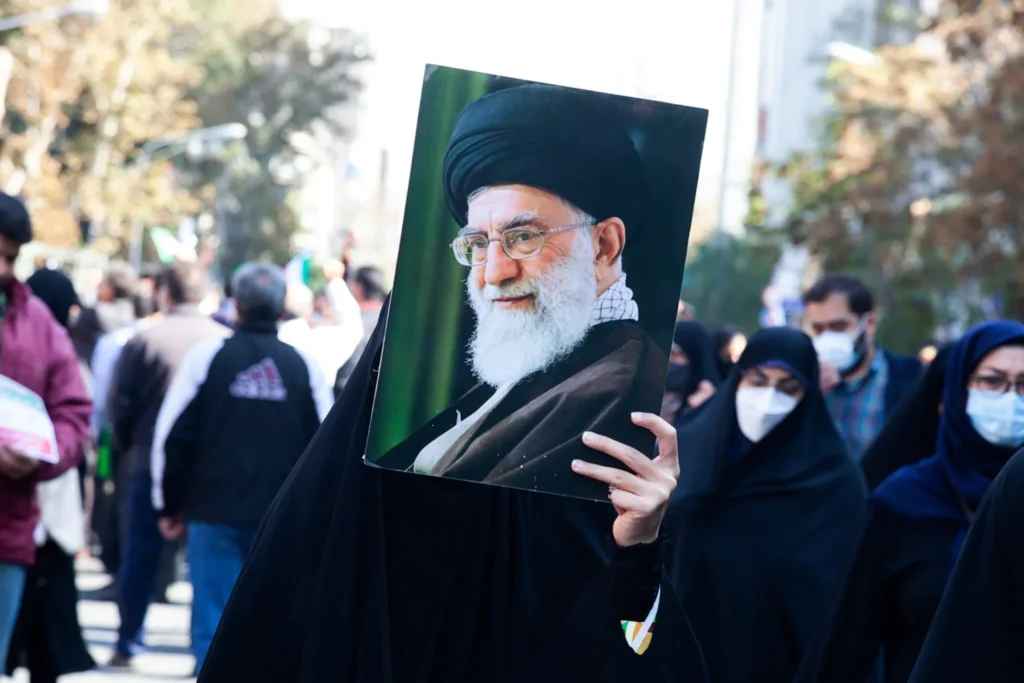
National Security Council head Tzachi Hanegbi addressed the Knesset Foreign Affairs and Defense Committee, suggesting that while Khamenei “deserves death,” he is not currently a designated target—“For now,” he added pointedly.
Meanwhile, Israel remains on high alert. According to the IDF, the Air Force and Navy intercepted around 30 UAVs last night alone—bringing the total intercepted since the launch of Operation Rising Lion to over 500. UAV strikes continue to target launch sites across Iran.
Finance Minister Smotrich: “We Will Prevail”
Israeli Finance Minister Bezalel Smotrich visited Soroka Hospital in Be’er Sheva and rocket impact sites in Holon. He pledged government investment in both recovery and long-term rebuilding.
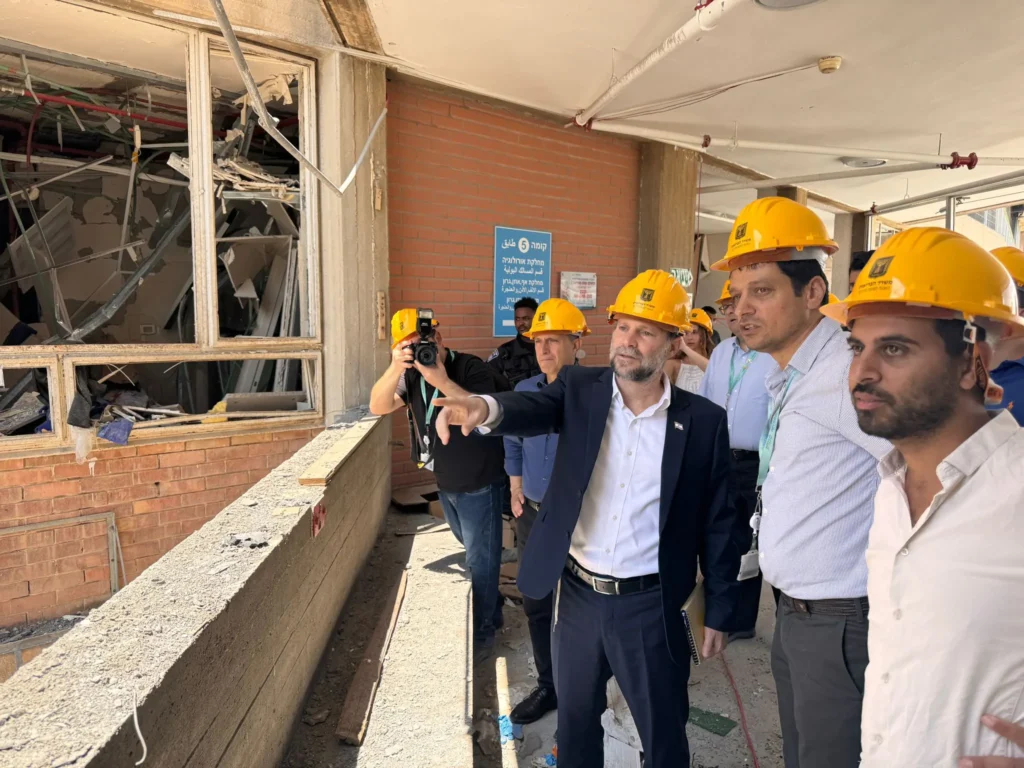
“We will rebuild stronger and bigger. Where you destroyed, we will rise. You try to break our spirit—but we are a resilient people and we will win, with God’s help,” Smotrich declared.
“I saw heroes today in Be’er Sheva and Holon—doctors, emergency personnel, citizens, and strong local leaders who embody our national strength and back our soldiers and pilots at the front. Together, with God’s help, we will prevail.”