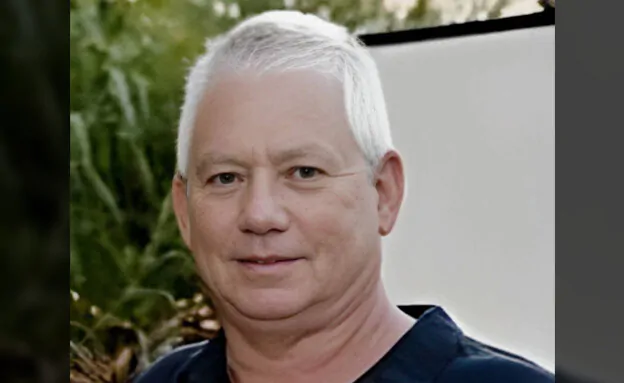

What began as a disagreement with a city mayor led to the rediscovery of thousands of synagogues that were burned and forgotten. Meir Schwarz, a historian and Holocaust survivor, was just 12 years old when he saw the synagogue where he prayed engulfed in flames on the morning of November 9—Kristallnacht. Fifty years later, while visiting his hometown, he found no trace of it. That day, Meir—my grandfather—embarked on a journey to uncover the synagogues destroyed on that terrible night. A journey that would change history.
The synagogue in flames
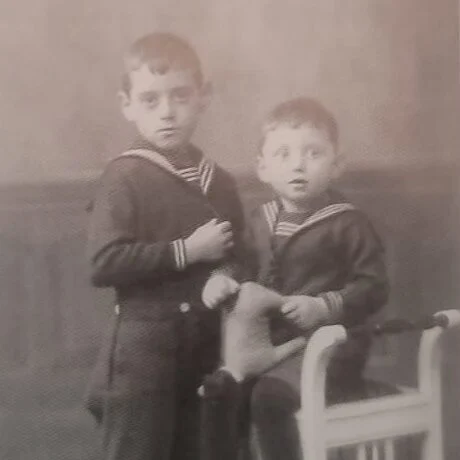
It happened at midnight, on November 9, 1938. Fifteen-year-old Yosef and twelve-year-old Meir were asleep at home in Nuremberg. Their mother was hospitalized. Their father—gabbai of the synagogue—was missing. They were later told he had died of a heart attack. That night, a loud pounding on the door. Yosef went to open it—and was struck in the face. A group of Germans stormed in, smashing, looting, stealing. Among the stolen items were Meir’s tefillin. Before leaving, the attackers warned them clearly: don’t leave the house until morning.
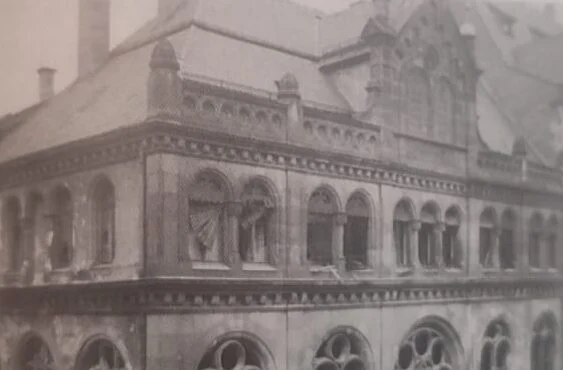
The next morning, Meir and his brother stepped outside. They saw injured, silent Jews. Then—they saw their synagogue burning. Just a few streets away, another synagogue in flames. That night would be called Kristallnacht. Hitler understood: if the world stayed silent while synagogues burned, he could go further.
Your father didn’t die of a heart attack—he was murdered
Forty years later, Meir was living in Jerusalem. One phone call changed everything: the widow of his cousin asked him to come to London before her death. She revealed the truth—his father hadn’t died of natural causes. He had been shot at the train station. Stunned but determined, Meir flew to Germany, sat in a small café, and began a conversation with an elderly local man. Believing Meir to be a historian, the man invited him to his home.
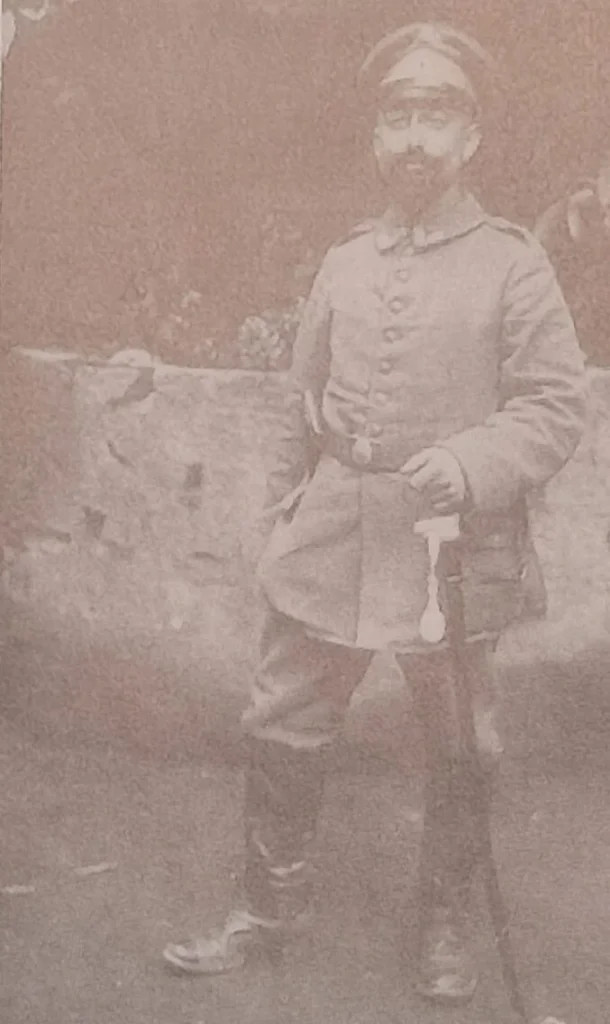
“I was a soldier in the German army during the war,” the man said. “During training we’d occasionally return home. One winter day, I arrived at the train station with a friend. We saw a Jew—and we shot him.” Meir filed a complaint, but the man died of old age six months later. The confession was in hand—but the trial would never take place.
“This is where our synagogue stood”
Fifty-five years after Kristallnacht, Meir Schwarz—a professor of biology and world-renowned expert in aquatic crops—was invited to lecture in Nuremberg, his hometown. The mayor offered to give him a tour. Meir pointed to a gas station: “This is where our synagogue stood.” The mayor replied politely: “There’s no record of a synagogue here.”
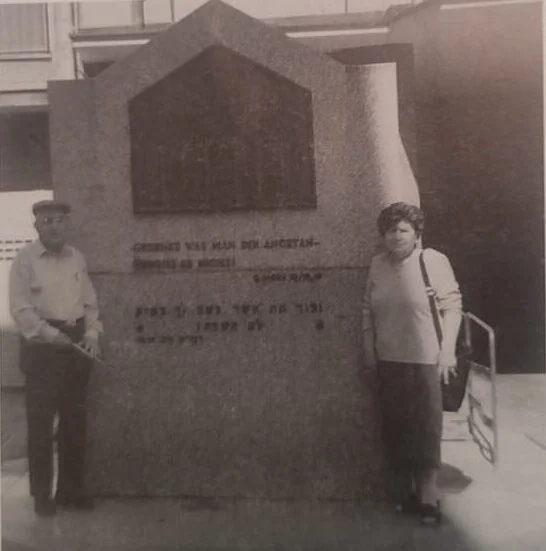
Meir didn’t hesitate. That evening, he wrote a 20-page report detailing the synagogue—its rabbis, customs, and architecture. The next day, he handed it to the mayor, who returned in shock: it was all true. The following day, Meir pointed to another location. This time, the mayor didn’t argue—he investigated, and another forgotten synagogue was revealed.
The conclusion: a flame that never went out
Meir realized: if two synagogues were forgotten, perhaps hundreds more had been lost to history. Over the next 15 years, he researched, documented, and published six books—revealing that not 250, but around 2,890 synagogues were destroyed on Kristallnacht. His findings prompted the revision of history books around the world. Thanks to his initiative, many synagogues in Israel now keep their lights on through the night of November 9—a symbol of a flame that never went out.
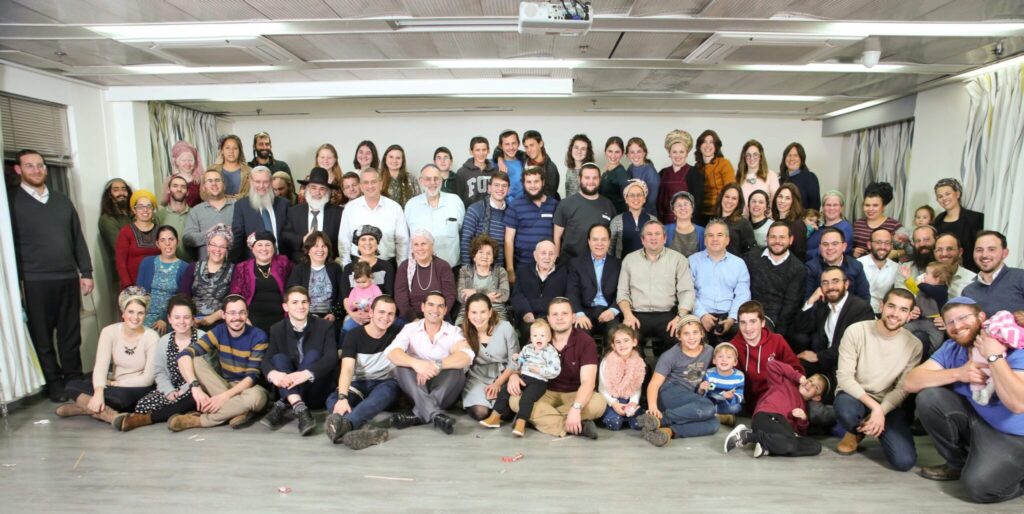
Meir Schwarz passed away three years ago, on his 96th birthday. He left behind more than one hundred descendants—and a corrected chapter in Jewish history. He was a boy who saw synagogues burn, and became the man who brought them back into memory.
By Aviad Schwarz