
Shavuot 2025
Shavuot 2025 begins at sunset on Sunday, June 1 (5 Sivan), and ends on Monday night, June 2 (6 Sivan), at nightfall. Outside of Israel, the holiday lasts two days and ends on Tuesday night.
What Is Shavuot and Why Do We Celebrate It?
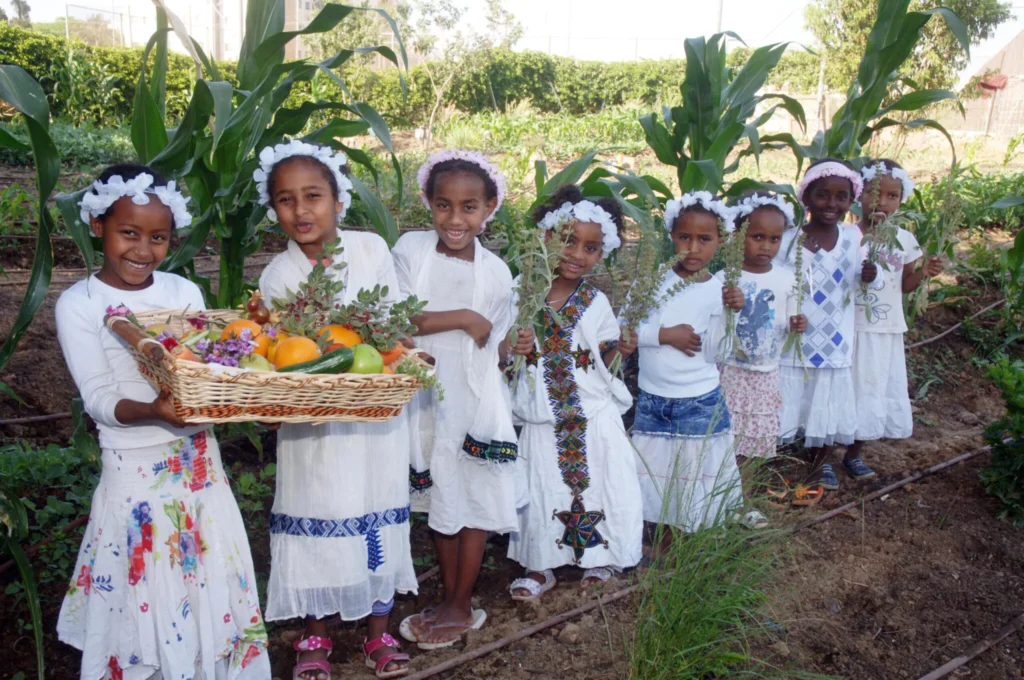
Shavuot marks the end of the Sefirat HaOmer (Counting of the Omer); the wheat harvest; the first day to fulfill the commandment of bringing the bikkurim (first fruits) to the Temple — and above all, the occasion of the giving of the Torah at Mount Sinai, which, according to tradition, occurred on 6 Sivan 3,337 years ago.

Names of the Holiday in Jewish Tradition
Shavuot is known by many names in Jewish tradition:
-
Shavuot (Weeks): Named for the seven weeks of the Omer count.
-
Harvest Festival: Marks the harvest season.
-
Festival of the Bikkurim (First Fruits): When the first fruits were brought to the Temple.
-
Atzeret: The conclusion of the Exodus that began on Passover.
-
Festival of the Giving of the Torah: Commemorates the receiving of the Torah at Mount Sinai.
Holiday Customs:
Holiday candles are lit on Sunday before sunset. Two blessings are recited: “to light the Yom Tov candle” and “Shehecheyanu.” Outside of Israel, candles are also lit on Monday night — using a flame lit in advance. Festive meals and Kiddush are held during the holiday, including the “Yizkor” memorial prayer in synagogues.
Tikkun Leil Shavuot: Why Stay Up All Night?
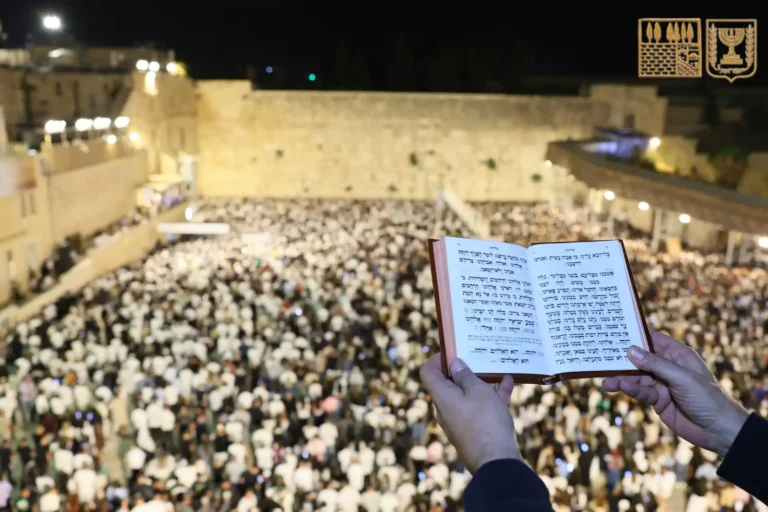
The night of Shavuot is devoted to Torah study — a custom that serves as a tikkun (rectification) for the Israelites’ oversleeping before their late arrival at Mount Sinai. The study includes selected passages from the Bible, Mishnah, and Kabbalah. Many communities recite the “Tikkun Leil Shavuot” booklet.
Reading the Ten Commandments: Renewing the Covenant
On the day of Shavuot, the Ten Commandments are read publicly from the Torah. Tradition teaches that all Jewish souls — past, present, and future — stood together at the foot of Mount Sinai. This is why it is customary to bring young children and even infants to hear the reading.

The Book of Ruth: A Story of Acceptance and Devotion
The Book of Ruth is read on Shavuot for several reasons:
-
It takes place during the harvest season.
-
Ruth is the great-grandmother of King David, who was born and died on Shavuot.
-
Ruth symbolizes total acceptance of the Torah — just like the Jewish people on Shavuo
Dairy Foods: “A Taste of Tradition”
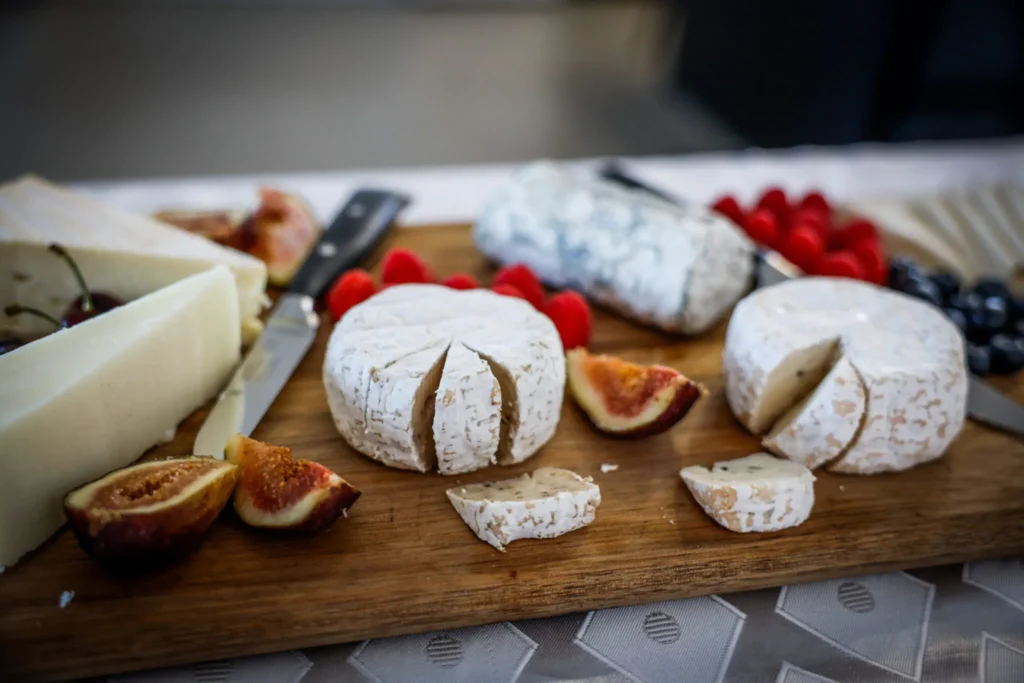
Eating dairy foods is one of the most beloved Shavuot customs. Explanations include:
-
In honor of receiving the kosher dietary laws at Mount Sinai.
-
Because the Torah is likened to milk and honey.
-
As a hint to the holiday offering in the Temple of two loaves (shtei halechem) — with one dairy meal and one meat meal.
Floral Decorations and Mount Sinai in Bloom
Another custom is decorating homes and synagogues with flowers and greenery, recalling the blooming of Mount Sinai at the time the Torah was given.