
The First Moments of the Surprise Attack
In the early morning hours of that day, Hamas launched a large-scale, coordinated assault, breaching Israeli communities and key roadways in mass infiltrations. The attack involved brutal massacres, kidnappings, and widespread destruction.
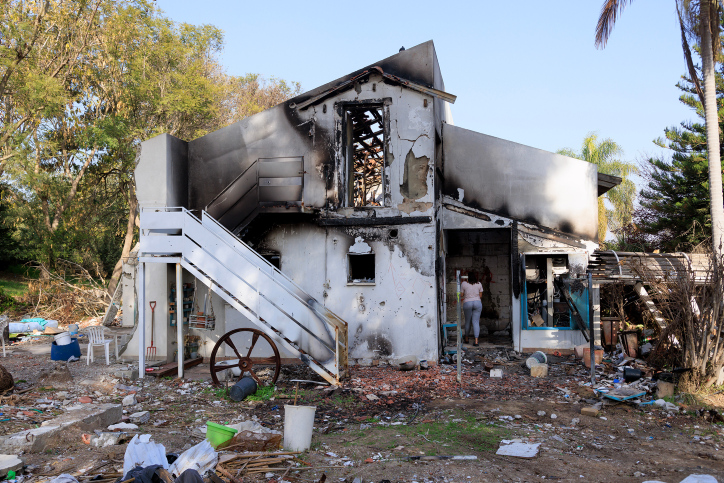
In the initial hours of the battle, the Gaza Division collapsed, and Hamas operatives managed to take control of vast areas. It was only by midday that the IDF began its counteroffensive, but the toll was devastating—hundreds of Israelis killed, many more wounded, and civilians taken hostage.
The Collapse of Israel’s Security Doctrine
The investigation highlights a fundamental failure in Israel’s security strategy regarding Hamas, which had been based on the assumption that the terror group could be contained and that the conflict could be “managed.”
For years, military and political leadership believed Hamas was deterred from full-scale war and would avoid broad escalation. This assumption led to reliance on passive defense measures, such as the sophisticated underground border barrier, but without sufficient preparation for a large-scale ground invasion. When the moment of truth arrived, security forces were caught completely off guard and struggled to respond in real-time.
Intelligence Failure: No Warning of the Attack
A severe intelligence failure was also exposed in the inability to detect Hamas’s plans in advance. Despite warning signs in the months leading up to the attack, intelligence agencies misinterpreted the data, convinced that Hamas was not seeking a full-scale conflict. Even when Hamas conducted unusual raid training exercises in recent months, Israeli intelligence assessed them as general preparations rather than an operational plan for an imminent large-scale assault.
On the night before the attack, alarming reports of unusual Hamas movements were received, but they were dismissed as routine military drills. By the time the reality became clear, terrorists had already infiltrated deep into Israeli territory.
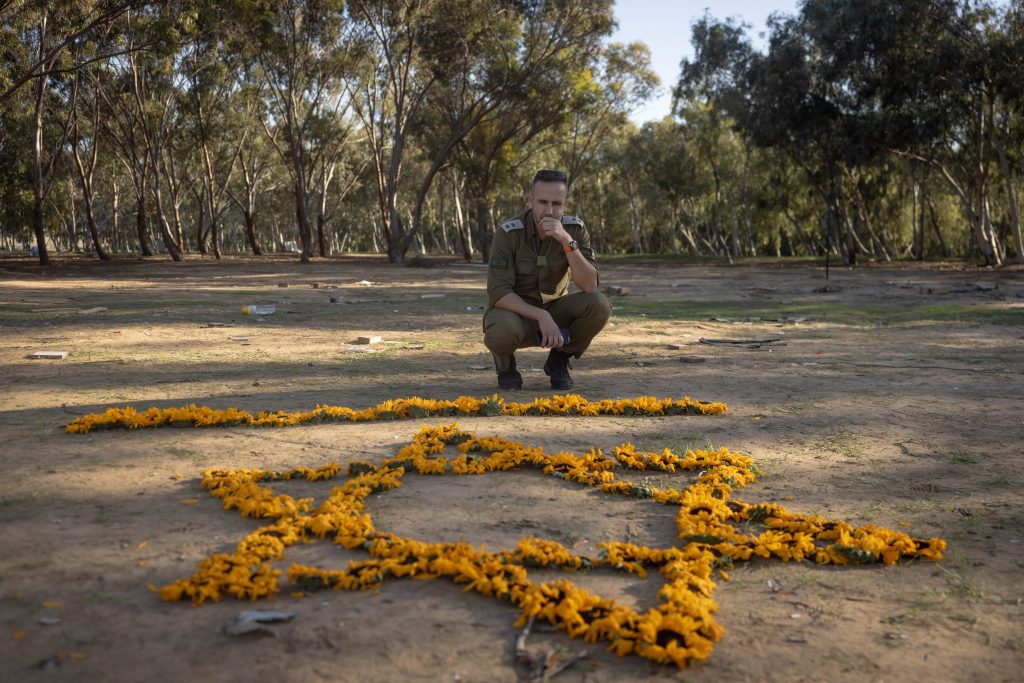
Three Waves of Attack Overwhelmed Israeli Defenses
In the battle’s early hours, Hamas had over 5,000 terrorists infiltrate into Israeli territory in three main waves.
- The first wave consisted of Hamas’s elite Nukhba unit, equipped with advanced weaponry and executing a carefully planned operation to breach the border barrier and storm Israeli communities.
- The second wave included approximately 2,000 additional terrorists who fortified Hamas’s control over the area.
- The third wave involved militants from other terrorist organizations, as well as unorganized Palestinian rioters who exploited the security breach to engage in looting and massacres.
Throughout these critical hours, intense battles raged between IDF forces and Hamas operatives. In many cases, civilians and local emergency squads were left to fight alone, with no adequate reinforcements.
Command Failures and Lack of Real-Time Intelligence
One of the central reasons for the collapse of the defense system was the failure to establish a clear operational picture in real-time. The IDF’s command and control systems in the Gaza Division almost completely disintegrated when the fighting erupted, with many command centers directly targeted by Hamas.
The overwhelming scale of the attack and the multiple combat zones created a situation in which senior IDF commanders in the Southern Command and General Staff were unable to grasp the full extent of the disaster as it unfolded, leading to decisions that later proved insufficient.
Meanwhile, IDF soldiers on the ground often found themselves outnumbered and outgunned, facing well-organized enemy forces with limited manpower, inadequate equipment, and insufficient firepower.
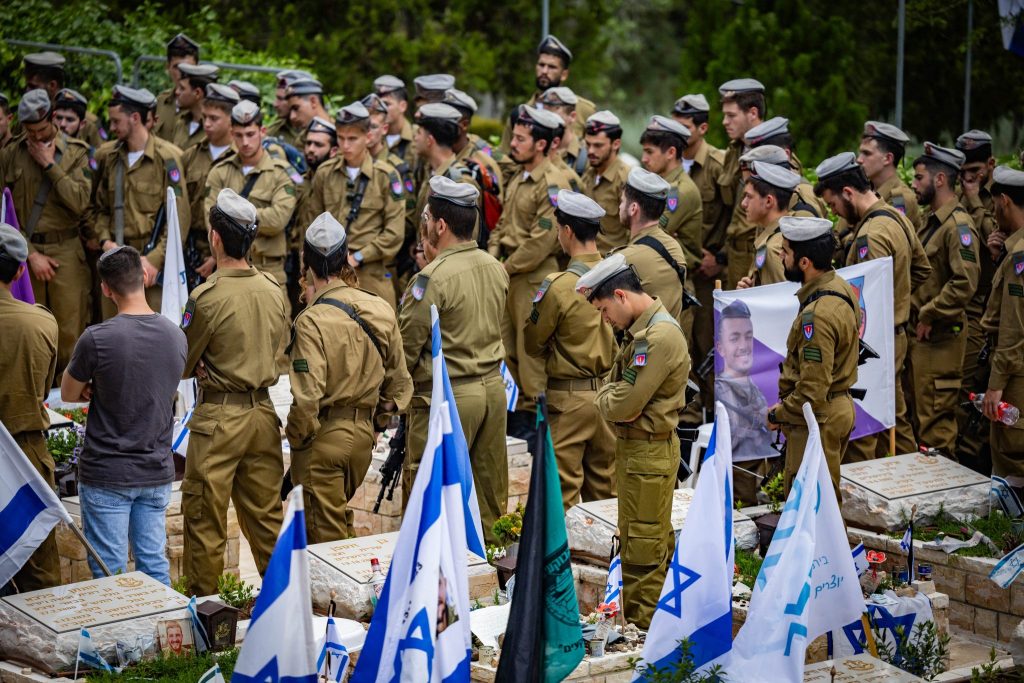
Halting the Attack: The Heroic Struggle of Soldiers and Civilians
Despite the surprise attack and heavy losses, the bravery of IDF soldiers, security forces, and civilians in the field prevented an even greater catastrophe.
By midday, the counteroffensive had begun, as reserve forces were deployed to the combat zones. By the end of the first day of fighting, the IDF had regained control over most of the areas that had been attacked. Battles continued for several more days, alongside a widespread aerial bombardment campaign targeting Hamas strongholds in Gaza.
“An Urgent Need for a Fundamental Shift in Israel’s Security Strategy”
The conclusions drawn from the investigation are clear: Israel can no longer rely on a policy of “conflict management” when facing an enemy whose explicit goal is the destruction of the Jewish state. The immediate priority must be the removal of this existential threat from Israel’s borders, even at the cost of a large-scale military operation.
Additionally, Israel’s intelligence apparatus must undergo a fundamental transformation in how it understands the enemy, with a major upgrade in intelligence collection, analysis, and early warning capabilities.
The IDF is also urged to significantly increase its troop presence along the borders, while developing an offensive force capable of delivering a swift and decisive victory in future conflicts. New command and control structures must be established to enable the IDF to respond rapidly and effectively to any scenario, ensuring better leadership and battlefield management, even in extreme crisis situations.
Strengthening Border Communities and Preparing for Future Emergencies
Beyond military and intelligence reforms, the investigation underscores the urgent need to reinforce security in border communities and prepare civilians for extreme security threats. Local defense squads and residents must receive enhanced support to ensure they can better withstand unexpected attacks.
The IDF must expand combat training for frontline forces and deepen operational readiness for future surprise assaults, ensuring that Israel is never again caught off guard in such a catastrophic manner.
IDF Chief of Staff Halevi: “The Responsibility Is Mine – I Was the Army Commander on October 7”
IDF Chief of the General Staff Lt. Gen. Herzi Halevi addressed the military investigations during an open discussion with senior commanders on Monday. He emphasized the need to confront the failures head-on and take full responsibility for learning and improving.
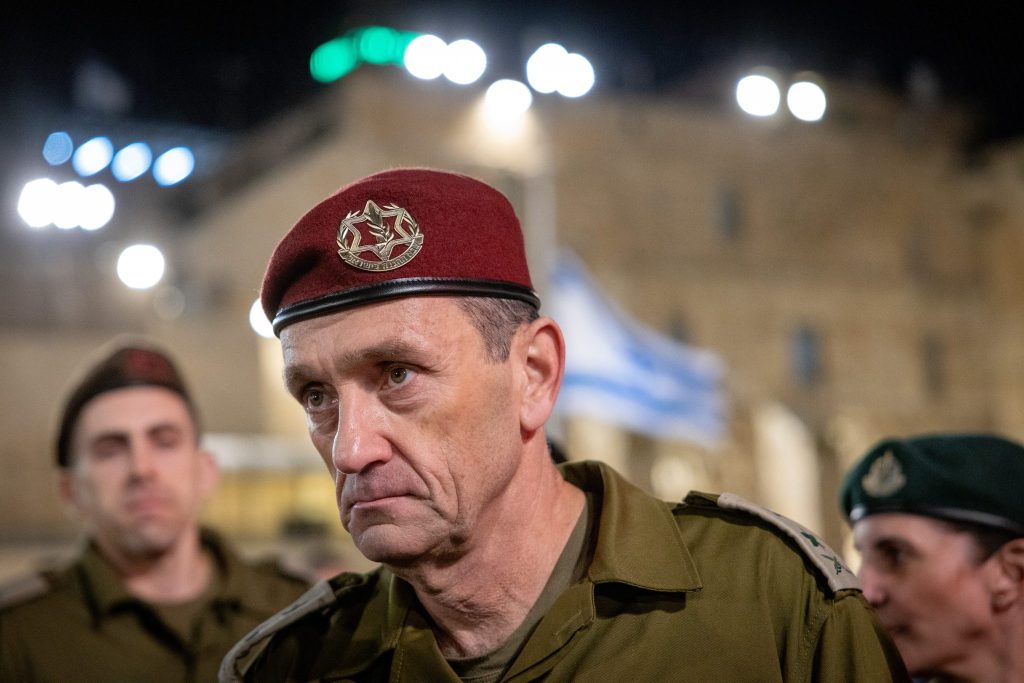
“I was the army commander on October 7, and I bear full responsibility, just as I bear the collective responsibility of all of you,” Halevi told the commanders.
“We Must Look Failure in the Eye to Fix and Strengthen Ourselves”
Halevi compared the October 7 attack to the Yom Kippur War, maintaining that while past military failures took time to be fully investigated, the IDF is committed to swift and in-depth learning.
“I believe that any organization or individual who cannot stand up and face failure directly will struggle to improve. Since October 7, I make it a point every single day to look failure in the eye—not out of weakness, but with great strength. That is how we will become stronger,” he stated.
“We had soldiers who fought with incredible bravery, lookouts who continued to report until the very last moment, and commanders who kept fighting even after being wounded,” Halevi said.
He concluded by urging every officer and soldier to view themselves as if they were the commanding officer on October 7 and to take personal responsibility in correcting past shortcomings.
“Our mission is to fix this for the years ahead, ensuring that the IDF remains a strong, prepared, and deterrent force.”