
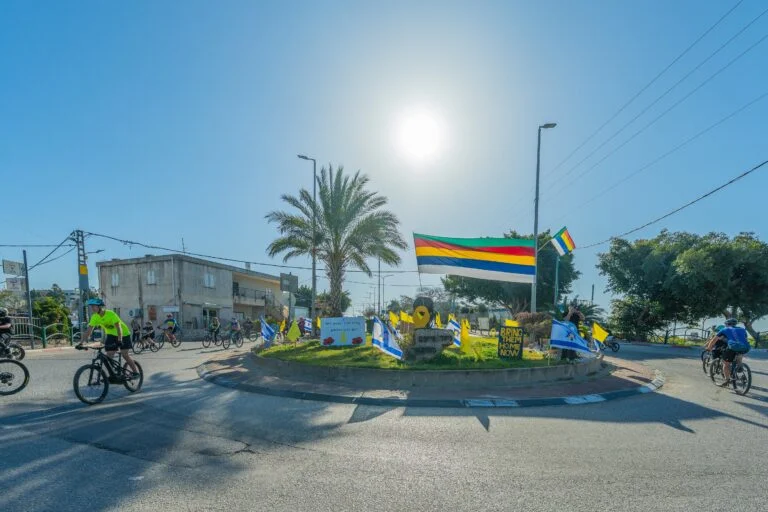
Passover is behind us, as is Holocaust Remembrance Day. We now turn our eyes toward Memorial Day for the Fallen Soldiers of Israel and Victims of Terrorism, and of course, toward Independence Day. These are days that remind us just how much our freedom in the Land of Israel relies not only on ourselves but also on partnerships — like the bond with the Druze community, which is now celebrating the holiday of Nabi Shu’ayb.
Before discussing the meaning of that partnership, it is worth looking closely at the holiday itself. For the Druze, this is one of the most important religious occasions, dedicated to Nabi Shu’ayb — identified in Druze tradition with Jethro, the father-in-law of Moses and father of Zipporah.
The Meaning of the Nabi Shu’ayb Holiday
The holiday reflects the Druze belief in Shu’ayb as a prophetic figure who embodied wisdom, humility, and deep faith in God. The Druze tradition holds that Shu’ayb preached social justice, loyalty to truth, and living a moral life. His character serves as a model for spiritual guidance and justice.
The holiday lasts four days, from April 25 to April 28, centered around the tomb of Nabi Shu’ayb near Kfar Hittim in the Lower Galilee. Druze from across Israel make pilgrimage to the sacred site. Special prayers and religious ceremonies are held, alongside gatherings of the community’s elders for spiritual discussions. The emphasis is placed on community unity, reconciliation among families, and strengthening the bonds of the heart.
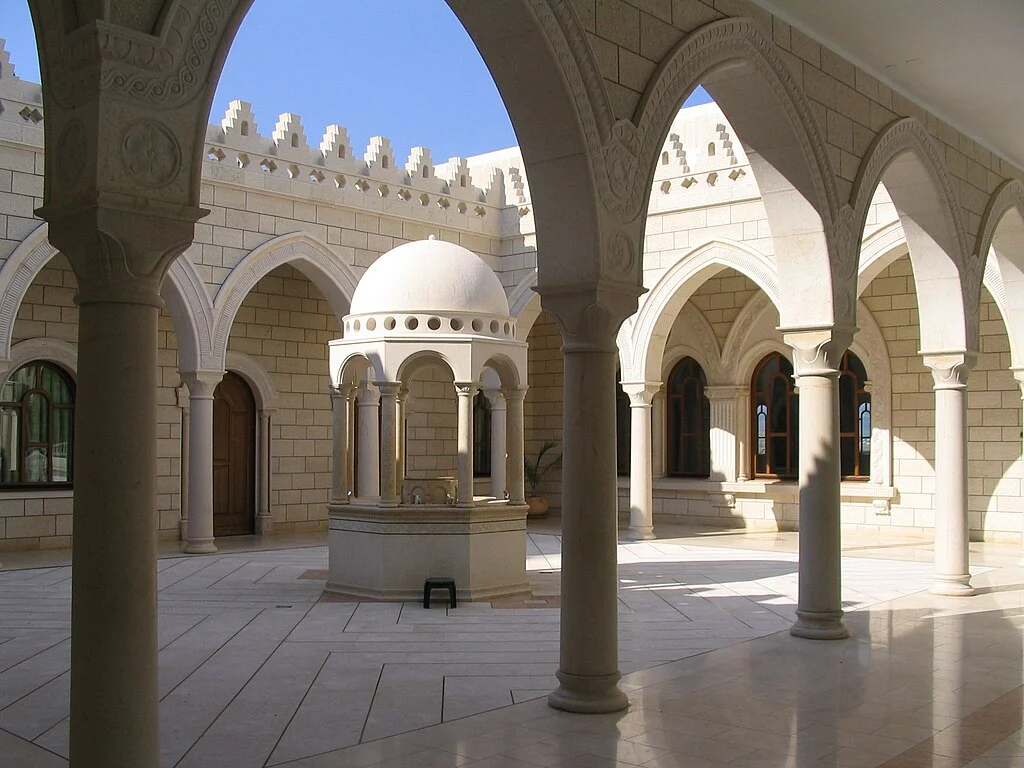
State Recognition and the Covenant with the State of Israel
The holiday is officially recognized by the State of Israel as a public holiday for the Druze community. Over the years, Israeli presidents, prime ministers, and senior military officers have attended the ceremonies, as a mark of respect for the historical alliance with the Druze.
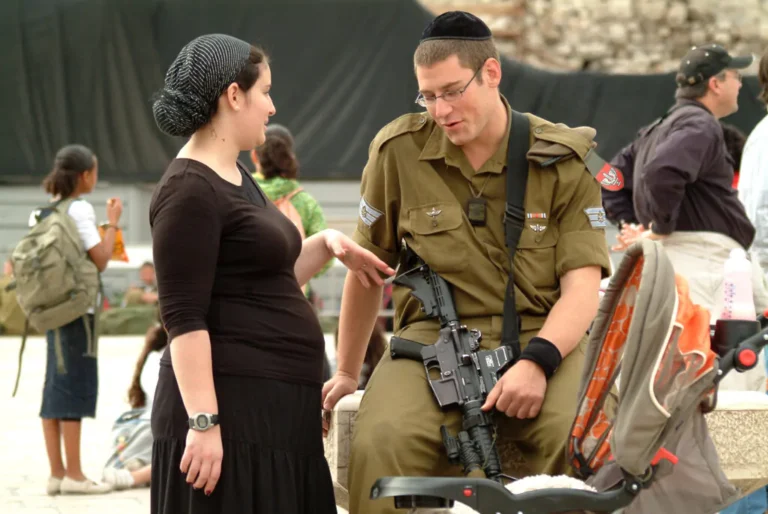
The covenant with the Druze predates the establishment of the State. In 1957, it was formally recognized: the Druze were acknowledged as a distinct religious community separate from Islam — a status not granted to them in any other country. Since then, Druze citizens have served mandatory military service in the IDF alongside Jewish citizens.
The Government Will Send Representatives
Thirteen Druze soldiers fell in the Swords of Iron War, and hundreds more have fallen across Israel’s military campaigns. Although the bond between the Druze community and the State of Israel is strong and enduring, it too has moments of pain and disappointment that deserve recognition.
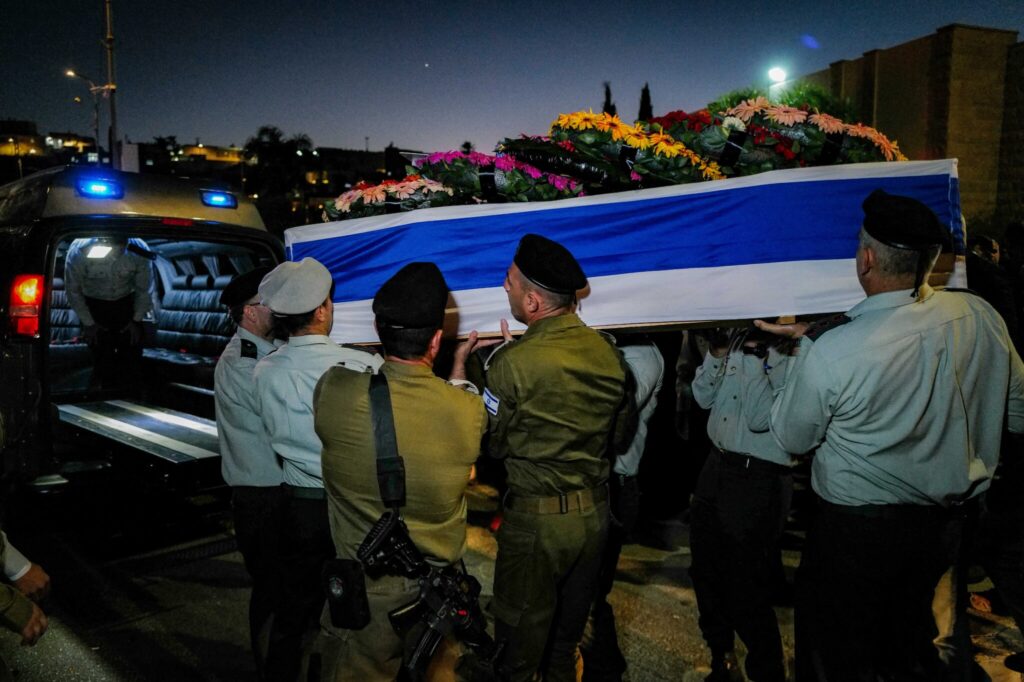
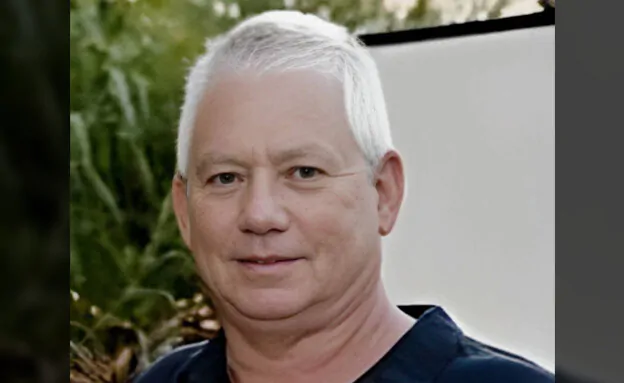
Last week, Rafik Halabi — formerly a journalist and now head of the Daliyat al-Karmel local council — protested that no government representative would attend this year’s central memorial ceremony for Druze fallen soldiers at the military cemetery in Usfiya.
“There are no ministers, no emotion, no honor, and no respect. We are tired of this disgrace,” he wrote in frustration on X. Following his protest, it was decided that Education Minister Yoav Kisch would represent the State of Israel at the ceremony — a correct and necessary decision.
The Festivals of Renewal
Passover represents our celebration of freedom as Jews. Independence Day, too, is a holiday of freedom. Both fall in the spring, a season when nature itself is reborn. The feeling of renewal at this time of year is universal and existed long before the emergence of the Jewish people.
While Nabi Shu’ayb is not a holiday of freedom in the simple sense of Passover or Independence Day, Shu’ayb’s character embodies moral and spiritual freedom. He guided his people to worship God purely, reject idolatry and corruption, and strive for spiritual and personal liberation.
Like Passover and Independence Day, the Nabi Shu’ayb holiday takes place during spring — a time of natural renewal. It can be seen as a festival expressing moral freedom and spiritual rebirth, even if it does not have the national-political dimension found in Passover or Independence Day.
Strengthening the Covenant Especially These Days
These shared festive days — and during our shared Memorial Day — present an opportunityto strengthen the covenant between Jews and Druze, and Druze and Jews.
At a time when some in the Negev, in the Galilee, and even among a segment of Israeli Arabs are challenging Israeli sovereignty over the Holy Land — it is especially critical now to strengthen the shared blood covenant.