


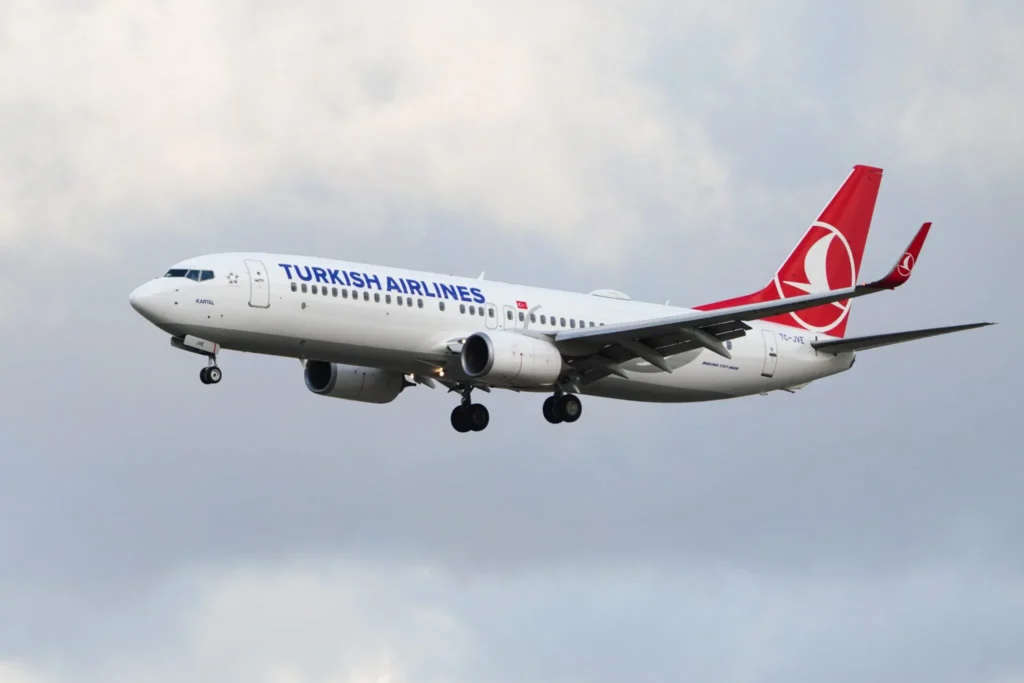
Turkish Airlines – the national carrier of Turkey – has seen its stock plummet by over 10% in the past month. The sharp decline follows a boycott by India, imposed in response to Ankara’s public backing of Pakistan during India’s “Operation Sindoor,” a military campaign targeting terror hubs in Pakistan and the Kashmir region.
Flight cancellations soar 250%
Estimates indicate that bookings for flights from India to Turkey have dropped by around 60% in just one week, while flight cancellations have surged by 250%. The fallout extends beyond aviation – Indian travel agencies have stopped promoting Turkey as a tourist destination, and the Indian government has revoked the security clearance of Turkish ground-handling company Çelebi Airport Services.
Even before the Indian boycott, Turkish Airlines had announced it was suspending operations at Ben Gurion Airport – a move linked to the growing tensions between Turkey and Israel in recent months.
Transparency issues and lasting uncertainty
Nearly half of Turkish Airlines’ shares are owned by the Türkiye Wealth Fund, a government-run sovereign wealth fund – making the airline a de facto public entity. Still, due to ongoing transparency issues in the Turkish stock market, analysts believe the actual drop in the airline’s value may be even deeper than reported.
International economic observers point to persistent uncertainty that is deterring foreign investors – stemming in part from possible data manipulation, incomplete disclosures, and unequal treatment of domestic and global investors. While there is no evidence of deliberate fraud, the reports highlight a problematic and unreliable regulatory environment.