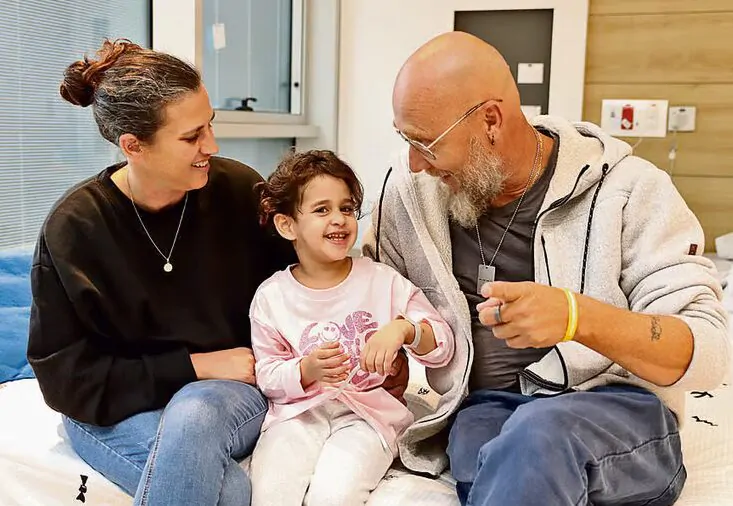

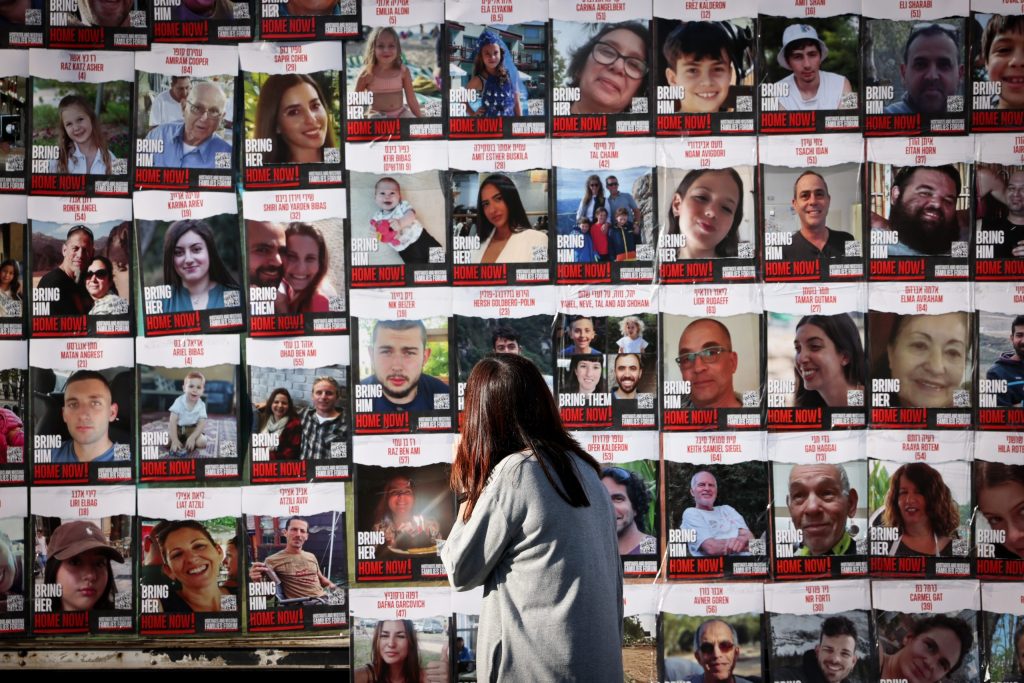
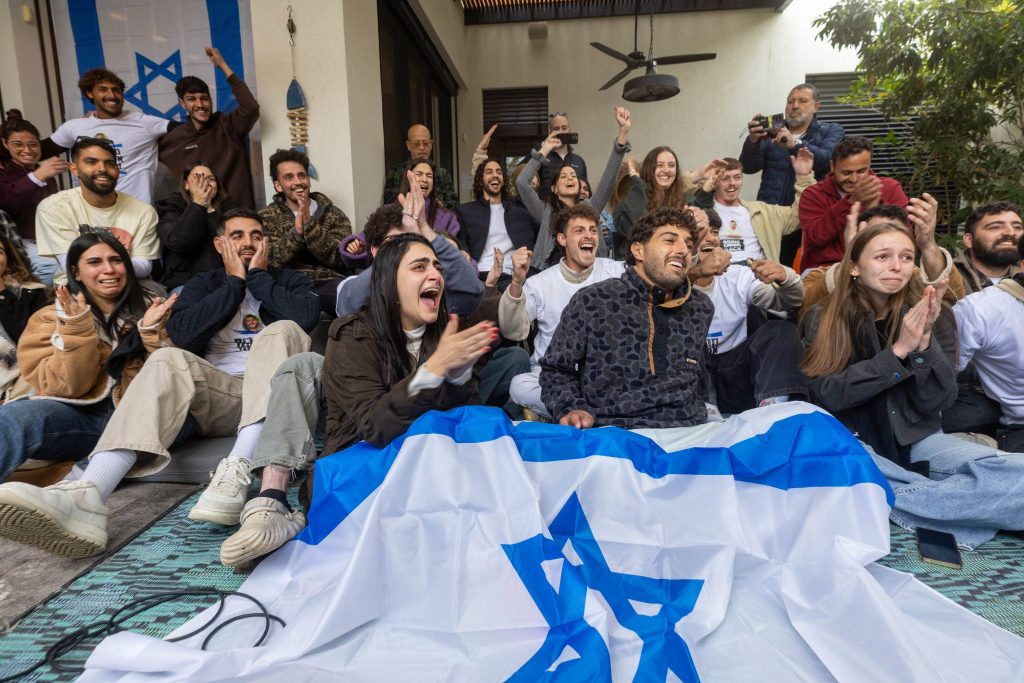
Israel has officially concluded the first phase of the current hostage deal, marking the end of a 42-day period. During this time, 25 living hostages were freed, alongside five Thai nationals, and the bodies of eight kidnapped victims murdered on October 7 or in captivity were returned.
This marks a significant achievement, and efforts continue around the clock to secure the release of all hostages still held by Hamas and other terror organizations in Gaza.
Efforts to Extend Phase 1 of the Deal
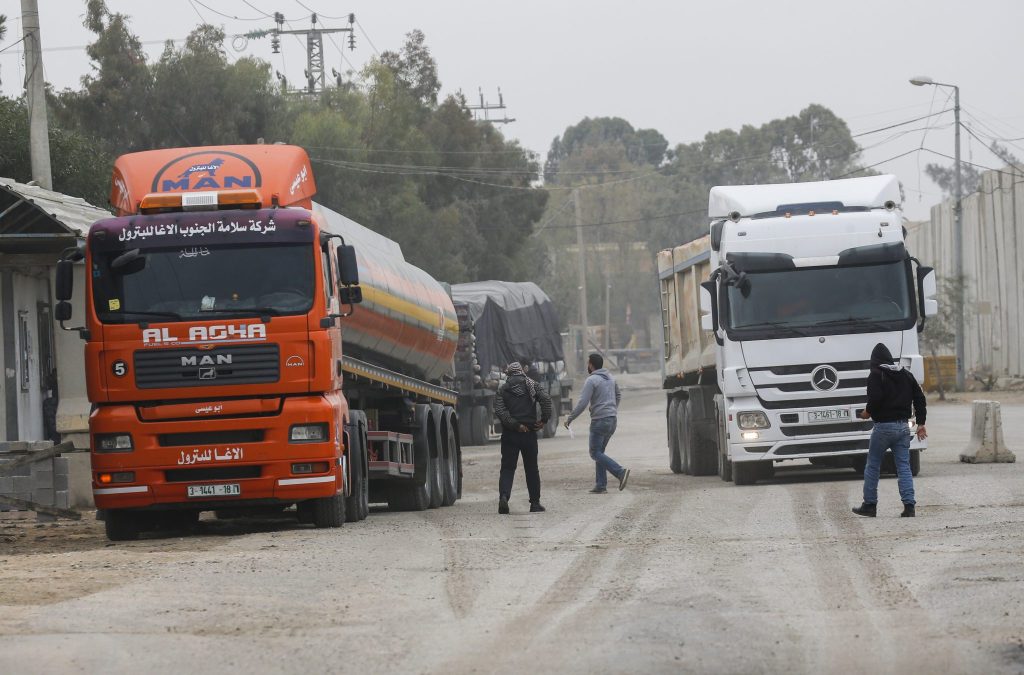
Against the backdrop of the halt in humanitarian aid to Gaza starting this morning (Sunday), Arab media reports indicate that Israel demanded Hamas release five living hostages and ten deceased hostages in exchange for extending the first phase of the deal by another week.
Hamas Rejection: “We Demand the Implementation of Phase 2”
The Qatari network Al Jazeera reported that in the past 48 hours, intensive negotiations took place between Israel and mediators to advance further hostage releases. However, Hamas rejected the proposal, claiming it constituted a “violation” of the agreement.
The current impasse raises questions about the continuation of the second phase of the hostage deal. Israel understands that ongoing political and humanitarian pressure could shift Hamas’ position but is also preparing for the possibility of military escalation if necessary.
Summary of Hostage Releases Since the War Began
Following the October 7 massacre, it took 20 days before the IDF launched its ground operation into Gaza. During that period, there was uncertainty in Israel regarding the number of murdered and kidnapped individuals, complicating initial negotiations and military planning for their rescue. Ultimately, the official number of hostages taken during the attack was confirmed to be 251 Israelis.
To this count were later added fallen IDF soldiers Oron Shaul and Hadar Goldin, as well as civilians Avera Mengistu and Hisham al-Sayad, who had been taken captive in previous years.
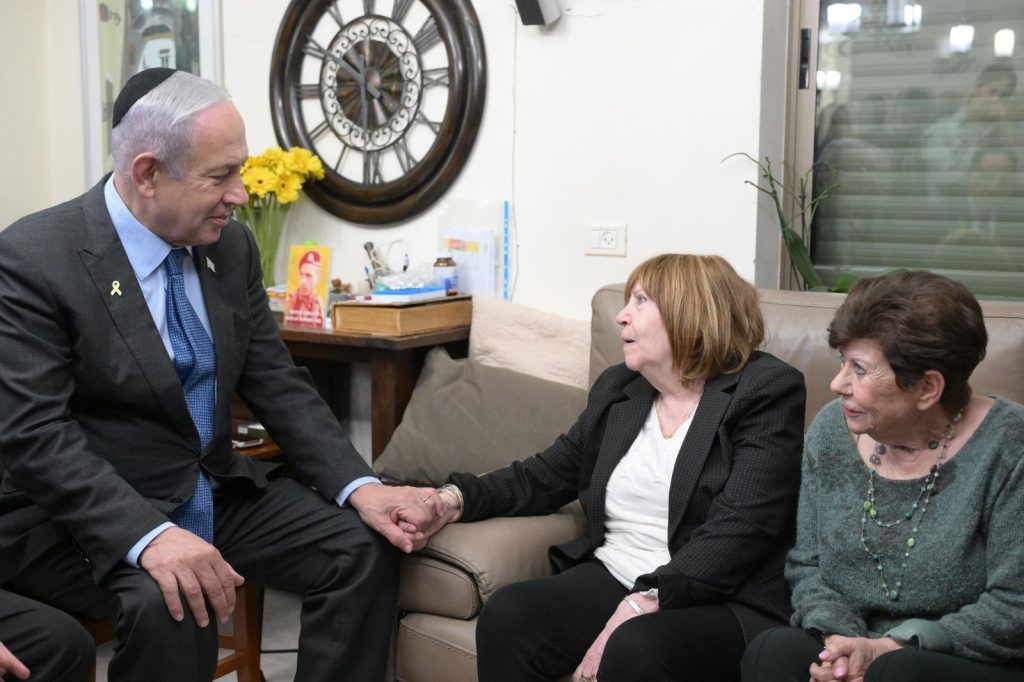
Prime Minister Benjamin Netanyahu Visiting the Family of Oron Shaul z”l | Photo: Amos Ben Gershom/GPO
The First Deal: “Military and Diplomatic Pressure”
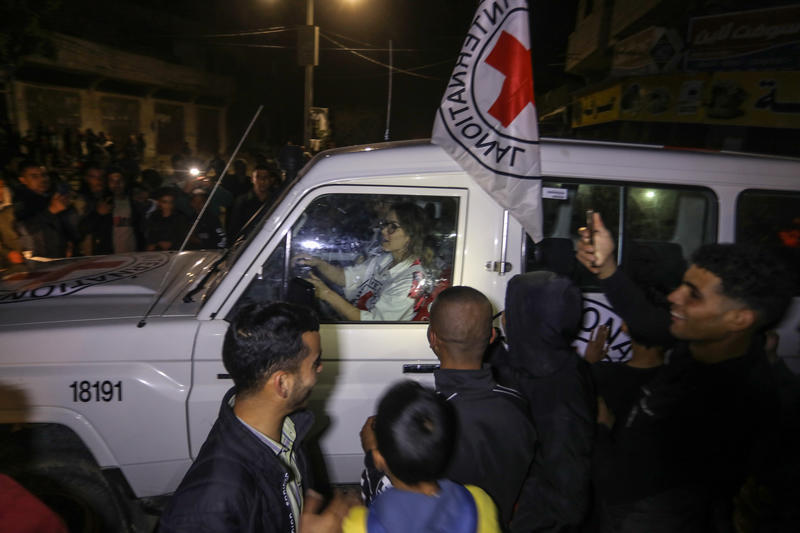
The first hostage release deal took place in late November 2023, resulting in the freedom of 80 hostages, including all abducted children under the age of eighteen (except for the Bibas children, later discovered to have been murdered shortly after their abduction) and 24 foreign workers. In exchange, Israel agreed to a temporary ceasefire, the entry of humanitarian aid, and the release of Palestinian security prisoners—mostly women, minors, and ill detainees, but none with blood on their hands.
Watch the moment Emily Hand meets her father, and Hila Rotem her uncle upon their return:
The deal was brokered by Qatar, which emerged as a key player in the negotiations. According to some Israeli government officials, it demonstrated that a combination of military and humanitarian pressure on Hamas could yield results.
Hamas’ Position Only Shifted Once Reality on the Ground Changed
Following the first deal, Israeli military pressure continued, but Hamas did not initially perceive a severe threat to its rule. Only after a prolonged military campaign did the balance of power shift. The targeted elimination of Hamas’ senior leadership in Gaza, including Yahya Sinwar and Mohammed Deif, alongside growing international isolation, likely led Hamas’ leaders to reconsider their stance.

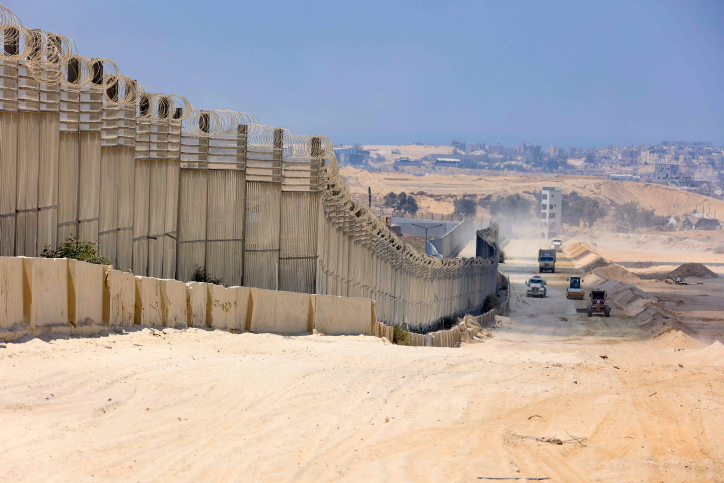
Following Israel’s operation in southern Gaza, its control over the Philadelphi Corridor, and precise strikes in Iran, Hamas realized that holding onto the hostages no longer benefited them on the international stage—it was instead weakening their position while strengthening Israel’s.
Under Intense Pressure: Israel Stood Firm on Its Principles
Throughout the negotiations, Israel faced immense pressure from the international community to halt military operations and increase humanitarian aid. However, Prime Minister Netanyahu held firm on a fundamental principle: there would be no end to the war without the release of all hostages. Even the Biden administration, despite its reservations about continued fighting, recognized this as a red line for Israel. This allowed Israel to maintain its stance and preserve its legitimacy to continue military actions in Gaza.
The Next Phase in Freeing the Remaining Hostages
Following the completion of the first phase of the deal, 59 hostages remain in Gaza. Current estimates suggest that 24 of them are alive, while 35 are deceased.
Israel’s primary goal is to extend Phase One of the deal and secure the release of as many hostages as possible, particularly as the Muslim month of Ramadan begins—a period during which Hamas may seek opportunities to improve its public image.
Meanwhile, U.S. Special Envoy to the Middle East, Steven Witkoff, supports extending Phase One, while Hamas remains firmly opposed to the proposal.