
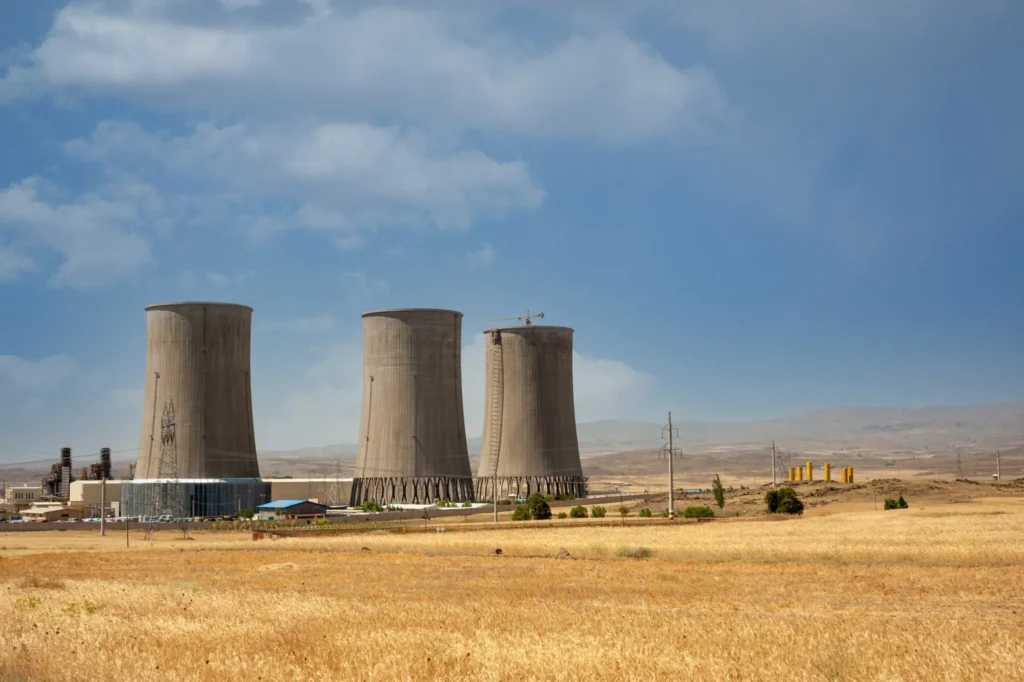
“A nuclear bomb does not constitute an existential threat to the State of Israel. Contrary to what Hollywood films might suggest, the first Hebrew city would not evaporate if a nuclear bomb were launched at Tel Aviv. One can protect oneself and survive a nuclear strike by standing at least 1.5 kilometers from the impact site, especially by entering a mamad (protected room or reinforced shelter) and remaining there until radiation levels drop — typically between 48 hours to two weeks.
Nevertheless, Operation Rising Lion (“Am KaLavi”) is of utmost importance, because Israel cannot accept a reality in which Iran becomes a nuclear state. We had an obligation to prevent such a scenario. A nuclear Iran is not only a problem for Israel or the Middle East. A nuclear Iran is a global issue threatening world peace.
Global Pressure
Moreover, had Iran succeeded in obtaining nuclear weapons, countries such as Saudi Arabia, the UAE, Turkey, and Egypt would likely have embarked on their own nuclear arms race. The proliferation of nuclear states — especially if some resemble North Korea in the nature of their nature — undoubtedly poses a threat to the entire world.
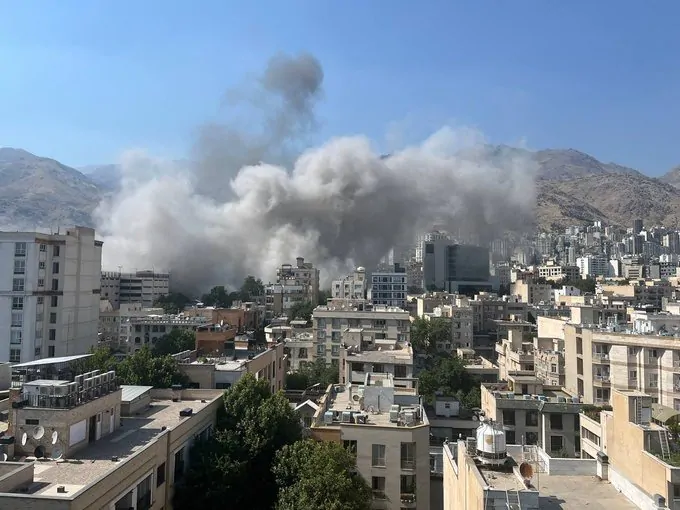
Therefore, it is a good thing Israel attacked Iran, and even better that the U.S. joined the strikes on the Natanz, Isfahan, and especially Fordow facilities. These attacks caused significant damage to Iran’s nuclear program. In my assessment, approximately 80% of the Iranian nuclear project was destroyed.
However, since it is difficult, if not impossible, to verify complete destruction, it is likely that Iran will become yet another active front for Israel — as is Gaza, Lebanon, Syria, and the Houthis. Even after the declaration of the end of the war with Iran, it is quite possible that Israeli Air Force jets and other security arms will have to strike periodically in Iran to preserve Israel’s achievements and prevent Tehran’s regime from rebuilding its nuclear project.
Two Paths
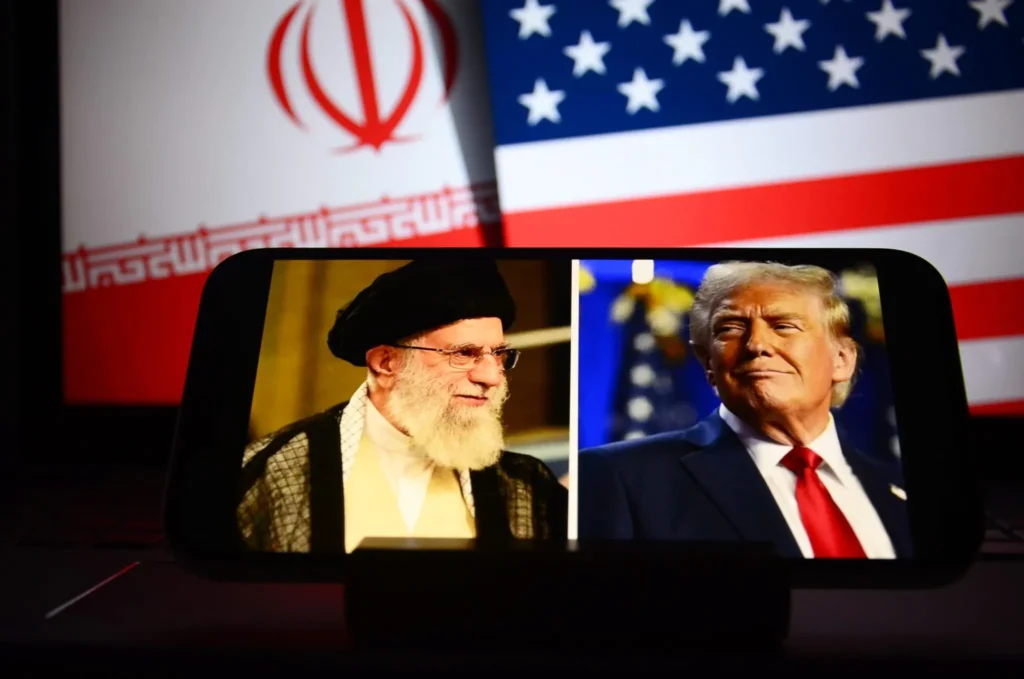
Yet, there are two possible ways to avoid opening a continuous front with Iran. The first is signing an agreement, led by the U.S. and Trump, prohibiting Iran from developing nuclear weapons. In my view, this is a poor option that would not achieve the necessary goals. The second, and preferred option, is undermining Iran’s motivation to rebuild its nuclear capabilities through regime change, with the hope that the next government will be more moderate and less inclined toward a security confrontation with Israel and the U.S.
Ultimately, after nearly two years of war with Iran’s proxies in Gaza, Lebanon, Syria, and Yemen — and certainly following two weeks of direct operations in Iran — it can now be said with certainty, at least regarding the nuclear threat, that Israel is significantly safer than it was”.
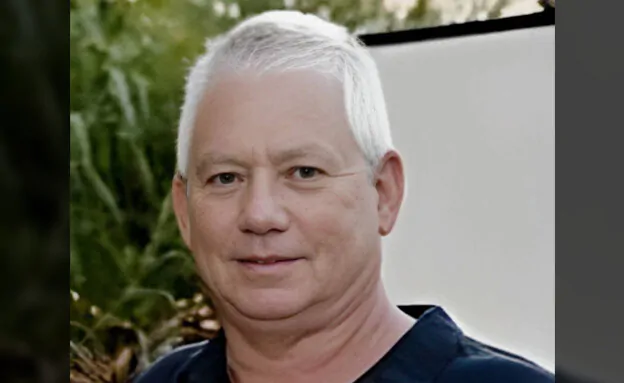
Dr. Col. (Res.) Ori Nissim Levy is a retired IDF Colonel, nuclear defense expert at Ariel University, and Chair of the World Nuclear Forum (WNF-193). He formerly commanded the National Emergency Authority (RAHEL) reserve system and the Coordination Unit for Government Ministries (YAKLAM).