

A potential diplomatic shift in the Middle East?
Syrian President Ahmad al-Sharaa—also known as Abu Mohammad al-Julani—is reportedly considering joining the Abraham Accords. This comes from U.S. Congressman Cory Mills, who recently visited Damascus along with former Congressman Marlin Stutzman and met with the Syrian leader.
During the meeting, al-Sharaa made it clear: Syria is interested in becoming part of the regional peace process. According to a report by I24NEWS, Syria is presenting three key conditions for doing so: a halt to Israeli airstrikes on Syrian territory, a commitment to preserve Syria’s territorial integrity, and a political arrangement concerning the presence of Israeli forces in Syria.
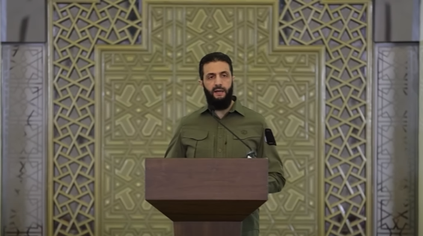
Notably, al-Sharaa did not demand an Israeli withdrawal from the Golan Heights as a condition—an omission that signals a meaningful shift in policy compared to previous Syrian regimes.
A personal letter to Trump – and signs of a policy shift
According to Bloomberg, Mills is expected to deliver a personal letter from al-Sharaa to President Donald Trump, as part of a Syrian initiative to reopen diplomatic channels with the United States and promote the easing of sanctions.
As part of those efforts, security forces aligned with the Hay’at Tahrir al-Sham-led regime in Syria recently detained two senior operatives of Palestinian Islamic Jihad who had been active in the country. Among them is Khaled Khaled, who reportedly managed terror operations against Israel from Syrian territory.

Cautious optimism
“Germany and Japan were once enemies—and today they are partners,” said Mills. “There is a real opportunity here for a new era of stability, and I remain cautiously optimistic.”
Should this process take root, it may not be long before we see Israelis strolling through Damascus markets—not as adversaries, but as tourists.