
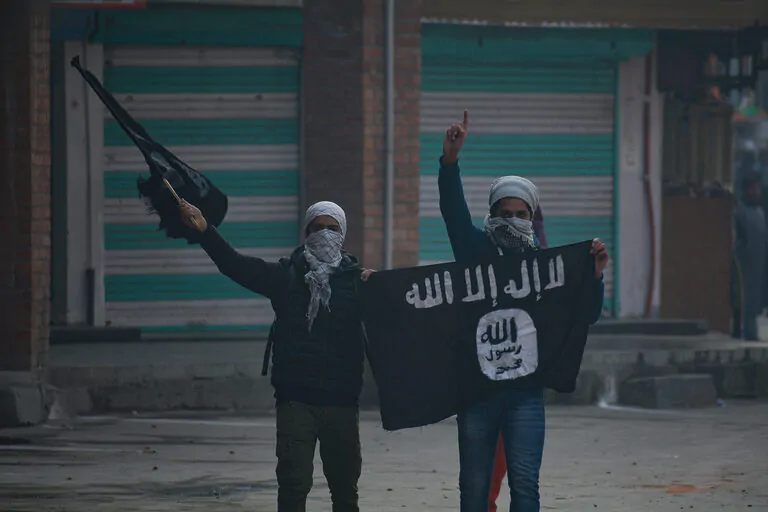
ISIS (the Islamic State) is taking advantage of the vacuum created by the fall of Bashar al-Assad’s regime in Syria to reorganize and return to action—also within neighboring Iraq. This is according to a Reuters report published earlier today (Thursday).
The report is based on testimony from more than 20 security and diplomatic sources in the Middle East, Europe, and the United States. This is not just theoretical: ISIS is already reactivating sleeper cells, recruiting fighters, distributing weapons, and preparing targets for attacks.
Already active on the ground
The renewed activity has not yet led to a wave of attacks, and in some cases, plots were foiled by security forces. For example, in December, two ISIS couriers sent from Raqqa to Iraq with operational instructions were captured. Later, a suicide bomber was located and neutralized in the city of Daquq.
Iraq is also reporting increased ISIS activity, particularly in the mountainous areas of the country’s north and along major transportation routes. It is believed that some of the weapons left behind by Assad’s Syrian security apparatus have ended up in the hands of ISIS operatives and have even been smuggled into Iraq.
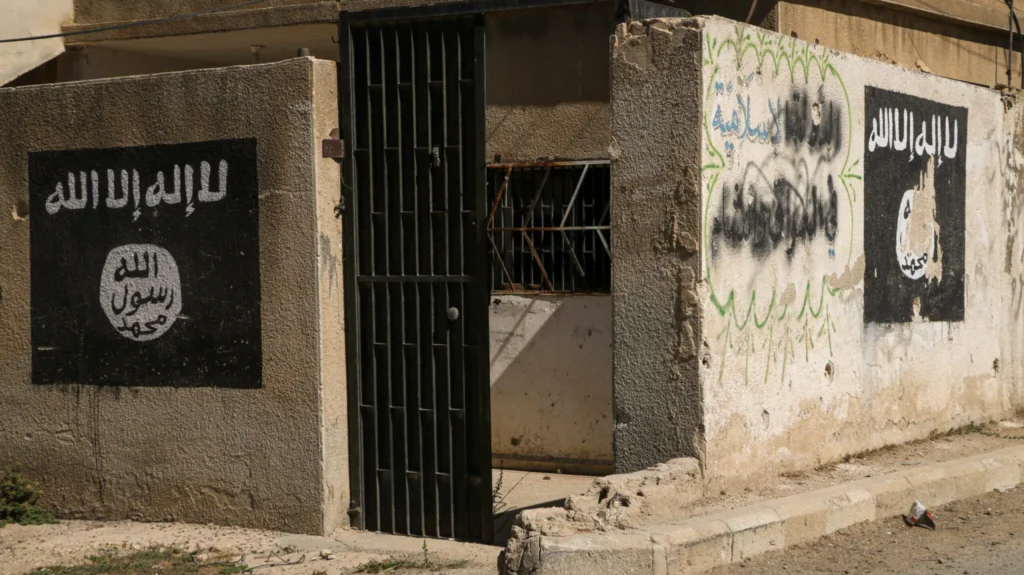
Still, experts caution that the drop in the number of attacks carried out by the organization does not necessarily indicate that it is weakening. According to data from the SITE Intelligence Group, ISIS has claimed responsibility for 38 attacks in Syria since the start of the year—a sharp decline compared to last year. However, this may reflect a period of strategic reorganization.
According to the United Nations, ISIS currently has between 1,500 and 3,000 fighters in Syria and Iraq—far fewer than during its peak, but still enough to concern governments and undermine stability.
The regime’s ability to ensure stability remains uncertain
Nonetheless, Syria’s Interior Minister, Anas Khattab, described ISIS as “a top security challenge.” Three Syrian security sources reported that the organization has been moving fighters from open desert areas into cities such as Homs, Aleppo, and Damascus, using false identities and civilian disguise networks.