

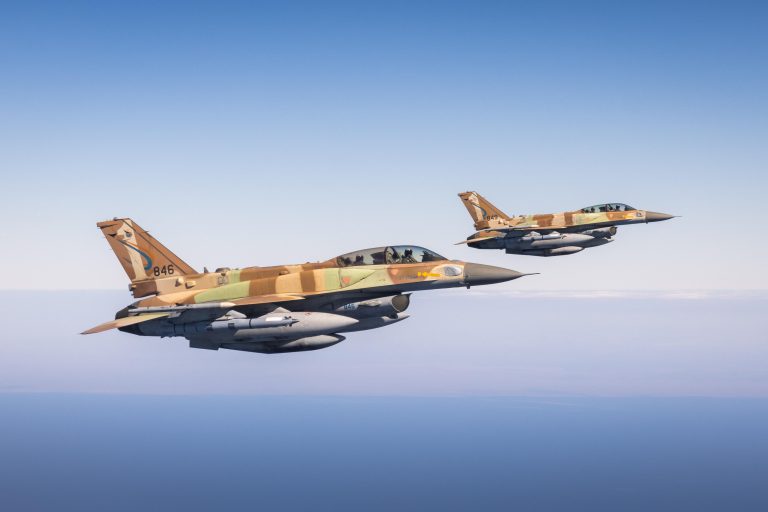
Today (Friday), IDF Spokesperson Brig. Gen. Effie Defrin delivered a statement addressing the outcomes of Operation Rising Lion:
We Met Our Objectives
Two weeks after the launch of the deep-strike campaign of Operation Rising Lion , the IDF is presenting one of the operation’s key outcomes: the systematic destruction of Iran’s missile industry. What had been labeled a pre-war existential threat was neutralized through a series of precise airstrikes targeting manufacturing plants, maintenance depots, propulsion systems, and launch centers.
עוד באותו הנושא
- With Hope and Resilience, Hostage Survivors Embrace Life After Captivity
- Israel Strengthens Global Alliances Amid Regional and International Challenges
- Beyond the Conventional: Haredi Soldiers and Wives of Warriors Stand with the IDF
- Hostages No More: IDF Returns Two Fallen Heroes from Gaza in Daring Operation
Military Intelligence: Iran No Longer Has Significant Short-Term Production Capacity
An updated intelligence assessment of Iran’s missile capabilities, particularly in surface-to-surface missiles (SSMs), concluded:
- Severe damage was inflicted on Iran’s capacity to produce missiles of all types
- Solid-fuel missile production capability was significantly degraded
- Liquid-fuel missile production was effectively eliminated, with expectations that Iran will abandon these projects
- A significant decrease in the pace of SSM production is expected in the short term
The IDF estimates it will take years of rebuilding infrastructure, manpower, and logistics systems for Iran to restore the capabilities it had before the strikes.
Targets Hit: From Explosives to Launchers
The Air Force struck dozens of production facilities, warhead sites, calibration labs, industrial power infrastructure, and explosive development centers. The following image, released this morning (Friday) by the IDF, shows Iran’s main explosives manufacturing site, struck in a precision operation.
IDF STRIKE 2,000KM AWAY: An IRGC surface-to-surface missile engine production site in Shahroud, Iran was struck.
The site was struck for its planetary mixers and critical machinery used in the production of engines for missiles launched by the Iranian regime toward Israel.… pic.twitter.com/GucJSdDtuv
— Israel Defense Forces (@IDF) June 22, 2025
Destruction of Ready-to-Fire Launchers and Pushing Back Launch Zones
Simultaneously, dozens of active launchers—some ready to fire within minutes—were destroyed. The strikes focused on western Iran, a long-standing launch zone, and forced the regime to relocate its launch infrastructure deeper into central Iran.
Strategic Achievement: Prevention of Future Armament
The Israeli defense establishment assesses that Iran will not be able to restore full missile production capabilities in the foreseeable future. At present, no new missile systems are expected to roll off assembly lines, and the existing stockpile is limited and only partially maintained. “This isn’t just warehouse destruction,” Military Intelligence emphasized this morning. “It’s severing the ammunition artery of Iran. Every missile not produced is one less threat to Israeli civilians.”
For the first time in a decade, Iran no longer possesses a missile array capable of launching dozens of long-range rockets in a short span. The IDF views this as a strategic gain that undermines the infrastructure of existential threats and grants Israel a significant strategic edge—at least in the near term.