
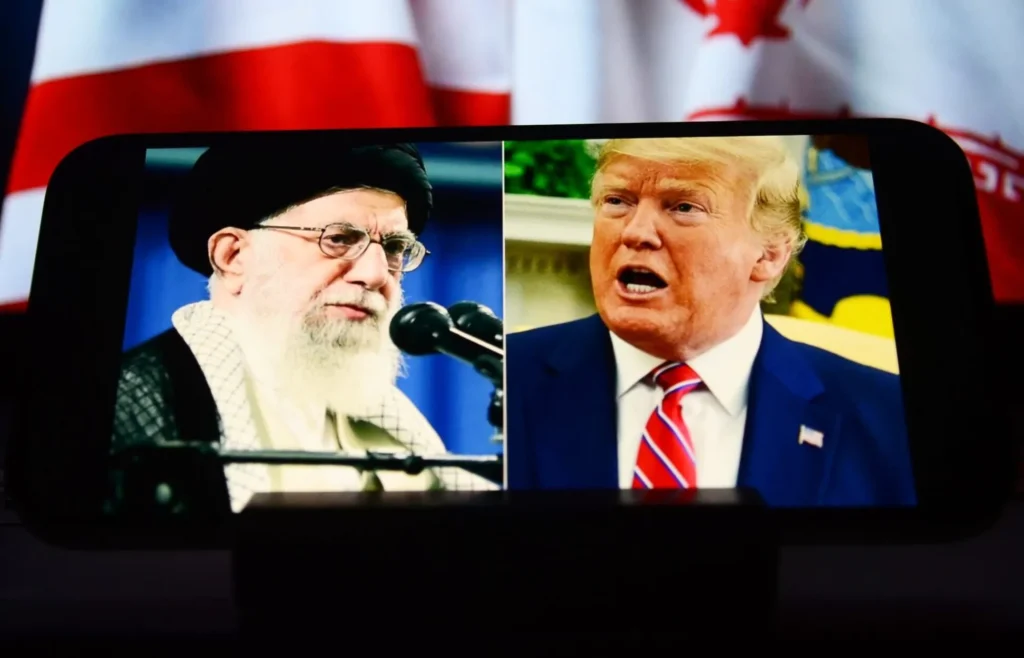
According to The Wall Street Journal, Khamenei was entirely unprepared for the magnitude and depth of Israel’s attacks on strategic Iranian assets. These included nuclear facilities, missile bases, energy infrastructure, and government buildings in central Tehran. The strikes came while Iran was engaged in quiet backchannel diplomacy with the Trump administration to revive the nuclear deal.
Diplomatic sources suggest Tehran believed the negotiations would restrain Israeli military actions. Instead, Iranian officials were left reeling from what many now describe as the heaviest Israeli airstrike campaign since the Iran-Iraq War.
Cyberattack Cripples Iranian Banking Sector
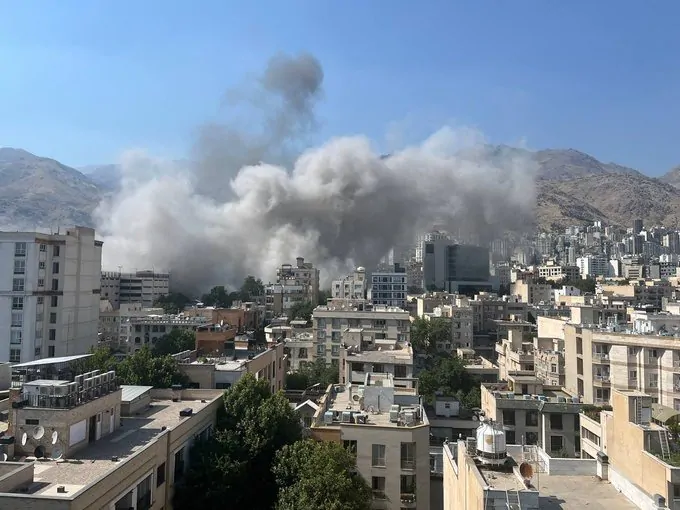
Amid the military assault, a massive cyberattack hit Iran’s central financial system. The target: Bank Sepah , known for its close ties to the Islamic Revolutionary Guard Corps (IRGC). The attack—claimed by a group calling itself “Predatory Sparrow”—completely disabled the bank’s online systems. According to eyewitness accounts and reports on Iran International, customers were unable to conduct digital transactions, and credit cards from multiple banks including Ansar and Kosar Credit ceased functioning.
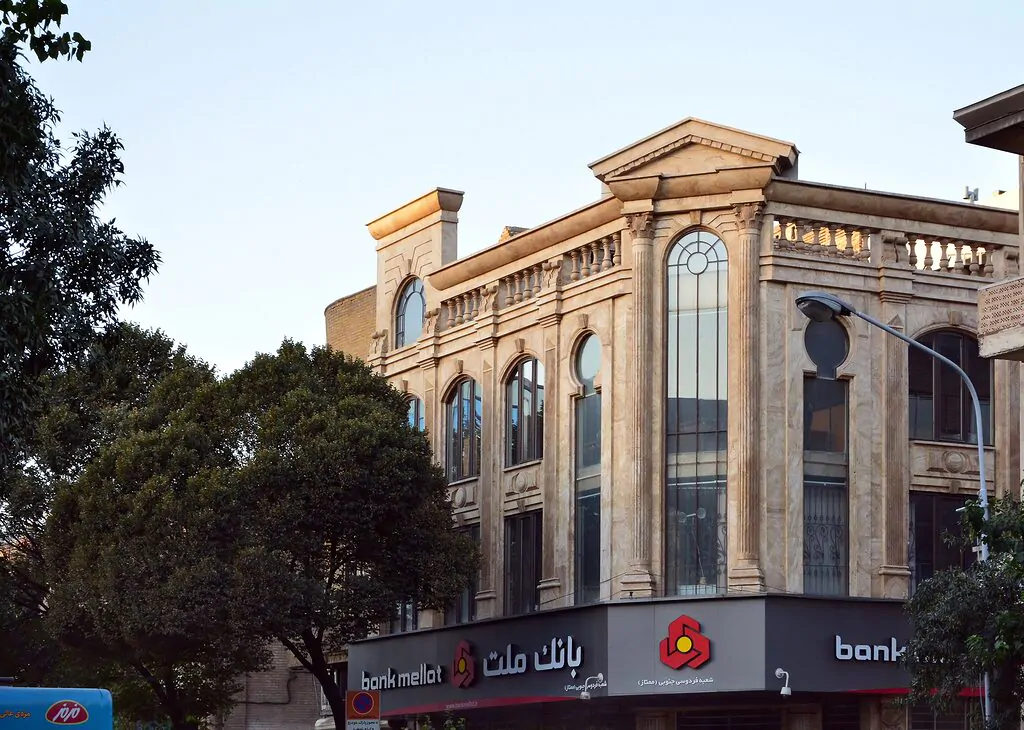
The attackers stated they were targeting financial institutions tied directly to the IRGC’s funding of proxy forces, ballistic missile development, and nuclear activities. They also claimed to have cooperated with insiders within Iran’s own financial infrastructure.
Strategic Blow to the Heart of Iran’s Economy
Bank Sepah ’s collapse delivered a critical strike not just to Iran’s civilian banking sector, but also to key elements of the regime’s security and defense financing. This incident marks an escalation in cyberwarfare tactics aimed at undermining Tehran’s strategic control nodes.
Trump: “Not a Ceasefire—A Total End”
Returning from the G7 summit in Canada aboard Air Force One, U.S. President Donald Trump made clear he has no interest in mediating a ceasefire between Israel and Iran, telling CBS correspondent Jennifer Jacobs that he wanted “a real end”— where Iran fully gives up its nuclear program.
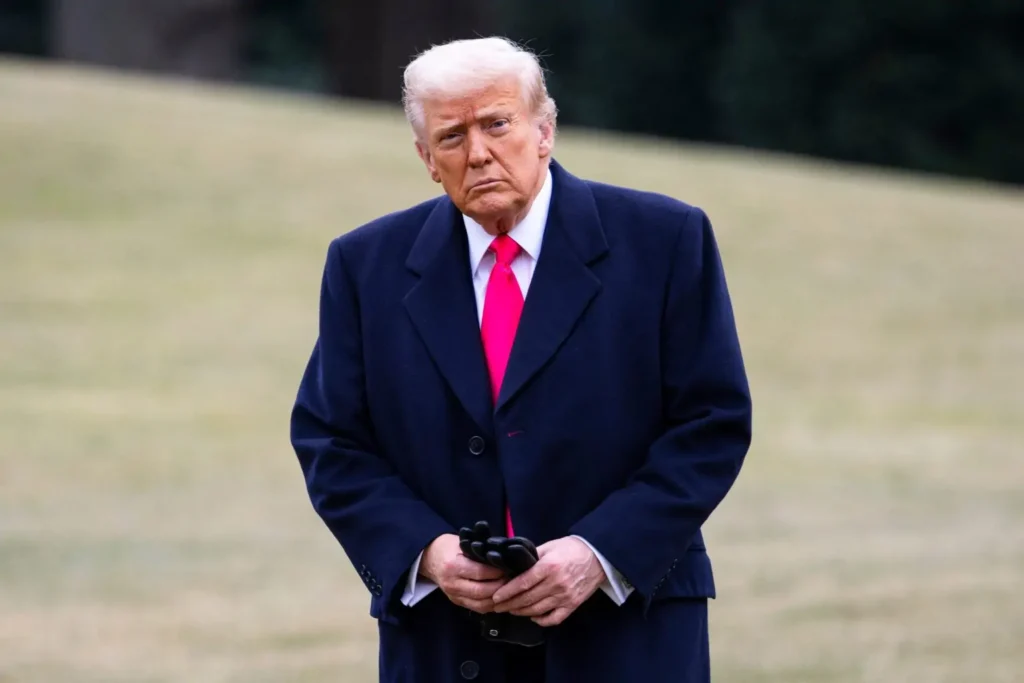
Trump said he expects Israel to continue its military operations, hinting at further escalations: “You’ll see over the next two days. No one has slowed down.” He then issued a blunt warning to Tehran: “If they do anything to our people—we’ll hit them very hard.”
When asked about possible direct U.S. involvement, Trump responded: “I hope the program is wiped out long before we have to do anything.” He confirmed he would be at the White House Situation Room on Tuesday morning to monitor developments.
Regarding possible diplomatic contacts, Trump said it’s possible figures such as Steve Witkoff or Vice President Pence might engage with Iranian officials—but “that depends on what happens when I return.” He reiterated that Iran is “very close to having a nuclear weapon,” rejecting U.S. intelligence assessments that there’s no proof a bomb has been constructed.
Diplomacy Still on the Table—But Conditions Have Shifted
Despite the pressure, Iranian Foreign Minister Abbas Araghchi signaled the door to diplomacy remains ajar. “If the aggression stops, the door to diplomacy will open,” he said, adding that indirect talks with the U.S. are still ongoing.
Iran has demanded the U.S. publicly condemn Israel’s actions—a request Washington has so far declined. While the White House maintains ambiguity, Israel has made clear that it has received no signals from the U.S. to halt the campaign.
Regional Tremors and Economic Shockwaves
Iran’s internal stability continues to deteriorate, with public trust eroding amid the destruction of infrastructure and economic paralysis. Still, Tehran holds strategic cards—most notably the threat to close the Strait of Hormuz, a move that could shake global energy markets.
Trump is now leveraging Iran’s weakened position to pursue what he calls a “final solution” to the nuclear issue. However, experts remain skeptical: “They may be weakened, but they’re not desperate,” a senior source noted. “Total surrender is not on their agenda.”