

As airstrikes hit centrifuge and missile production sites in Tehran and Natanz; over 1,000 Iranian UAVs were launched towards Israel – and only 200 reached their target, with none making it through Israeli defenses.
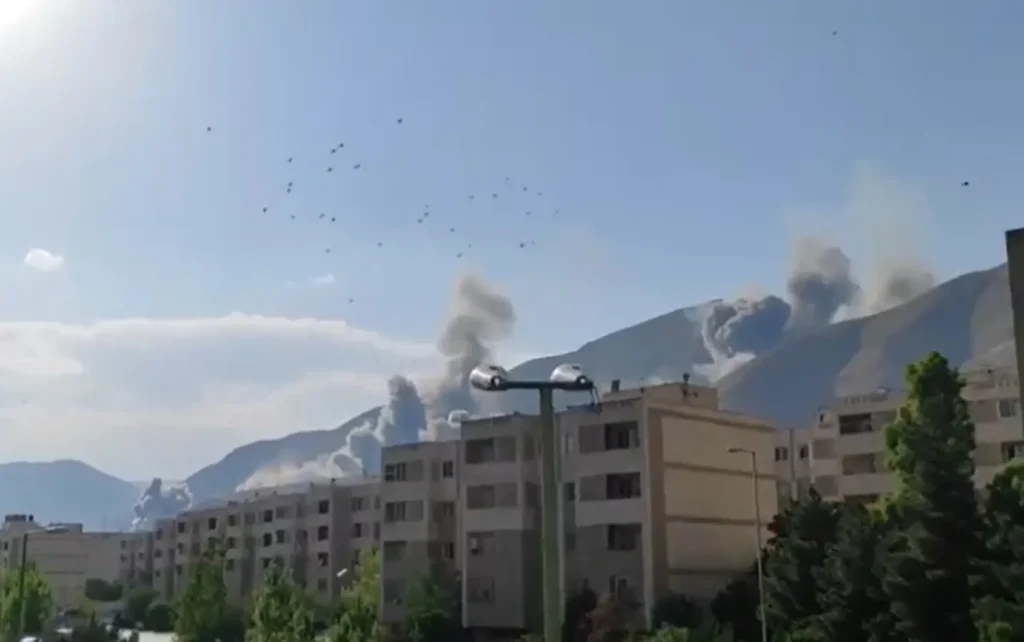
More than 50 Israeli fighter jets, guided by precise military intelligence, carried out an extensive overnight wave of airstrikes on military targets across Tehran. These included missile production facilities and a centrifuge site involved in uranium enrichment for nuclear weapons. The International Atomic Energy Agency confirmed additional damage to Iran’s nuclear enrichment facility in Natanz.
“We have delivered significant blows to the Iranian regime, and as such, they have been pushed back into central Iran. They are now focusing their efforts on conducting missile fire from the area of Isfahan. We are aiming at military targets, they are attacking civilian homes.”… pic.twitter.com/ZtBRI7SS42
— Israel Defense Forces (@IDF) June 18, 2025
Targets also included facilities producing ground-to-ground missile components and systems for surface-to-air missiles designed to strike aircraft. These strikes are part of the IDF’s broader effort to dismantle Iran’s weapons manufacturing capabilities and its nuclear program.
During the night, sirens sounded across Israel, and the Navy’s missile ship INS Independence successfully intercepted over 20 Iranian UAVs.
Unprecedented Air Superiority
At noon, IDF Spokesperson stated: “The Israeli Air Force is operating freely over Iran—this is unprecedented.” Earlier in the day, the Air Force struck over 40 military targets in western Iran, including missile infrastructure and loaded Emad missile launchers.
Massive UAV Launch—Zero Target Hits
A security official revealed today that Iran has launched approximately 1,000 UAVs toward Israel since the start of hostilities. Of these, only around 200 managed to reach Israeli airspace, and none successfully struck their targets—an outcome the IDF described as “astonishing” and far exceeding expectations.
Today alone, about 10 UAVs were intercepted over the Golan Heights. Air raid sirens were triggered but lifted shortly after once the threat was neutralized.
Command Centers Destroyed
Earlier, Defense Minister Israel Katz announced the Air Force had destroyed the Iranian regime’s Internal Security Headquarters—its main instrument of repression. He later posted on X: “A tornado is sweeping through Tehran. Government symbols are collapsing—more targets soon. This is how dictatorships fall.”

Gradual Return to Normal: Home Front Eases Restrictions
Following a security assessment, the Home Front Command announced a major easing of civil protection guidelines, effective from 18:00 today. Most areas will shift from strict alert status to limited activity. Only select regions—Northern and Southern Golan, Beit She’an Valley, Dead Sea, Arava, Eilat, and Gaza periphery—will remain under partial restrictions.
Minister Katz emphasized the symbolic importance of easing restrictions first in high-risk northern and southern communities, describing it as “a message of strength and a return to national resilience.”
Airstrikes and Domestic Security Operations Continue
At noon, five Iranian attack helicopters were destroyed in Kermanshah. Meanwhile, during an operational mission, Iran launched surface-to-air missiles at an Israeli UAV, which was downed inside Iran without casualties or data breaches.
In Israel, Border Police arrested over 300 illegal entrants during Operation “Rising Lion.” Twenty suspects were caught attempting to scale the barrier into Jerusalem, and 32 others were apprehended aiding infiltration.
Rescue Flights and Public Transit Support
In parallel with military operations, the “Safe Return” campaign brought the first rescue flight of Israelis home from Larnaca. The flight was welcomed at Ben Gurion Airport by Minister of Transportation Miri Regev and top aviation officials.
Israel Railways coordinated special free transport services for returning citizens from the airport, with shuttle buses and trains deployed to city centers nationwide.
Regev spoke with the flight captain, saying: “We are thrilled to welcome you. This is only the beginning of the airlift bringing our people home.”
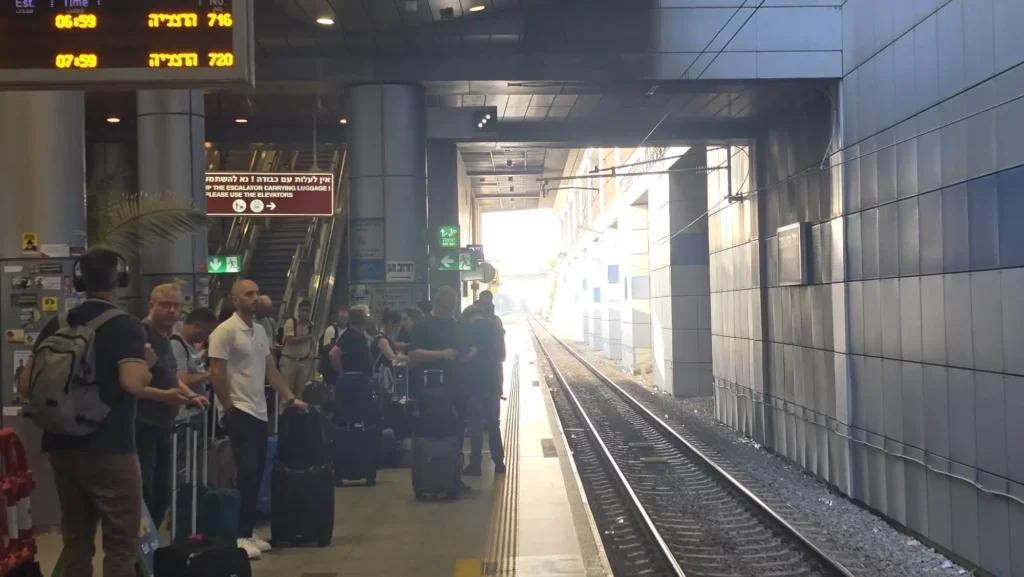
Authorities emphasized minimizing time spent at the airport for security reasons and asked the public to avoid crowding or summoning taxis for pick-up.
Iranian Civilian Reactions and Ground Reports
Iranian media reported waves of explosions overnight in Tehran, Karaj, and Mashhad. An eyewitness told Iran International: “It was the scariest blast in recent days. The light kept flickering for two minutes.” Strikes even reached Imam Hossein University in Tehran, affiliated with the Islamic Revolutionary Guard Corps.
The Mashhad incident marked one of the IDF’s longest-range strikes—over 2,300 kilometers from Israel.
Looking Ahead
The expanded Security Cabinet is set to convene this evening, with the possibility of American involvement in the conflict on the table.
Meanwhile, the updated civil defense guidelines remain in effect until Friday, June 20, at 20:00. The IDF urges the public to stay alert, as the situation remains fluid and may change rapidly.