
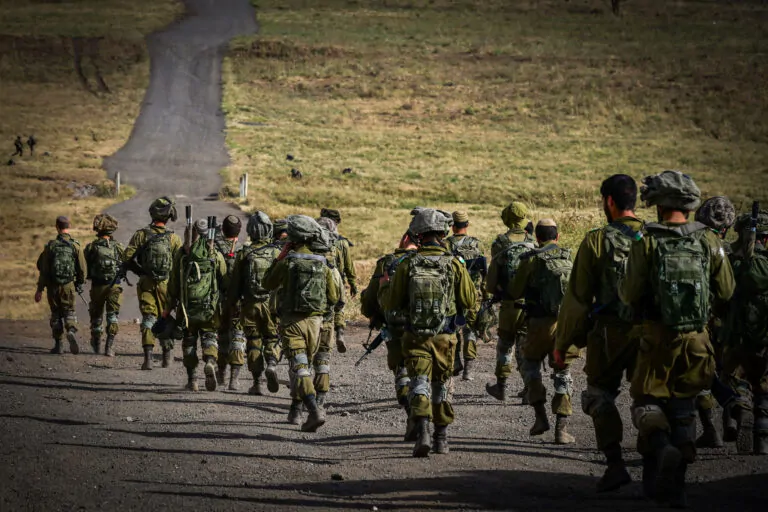
The turnout rate for the IDF reserve brigades summoned in recent days has reached 102%. In other words: not only did every reservist who received an order report for duty, but even those who weren’t officially called up asked to join. At a time of public division and growing security concerns, this is a powerful reminder of the fighting spirit and personal responsibility that Israel’s reservists continue to demonstrate.
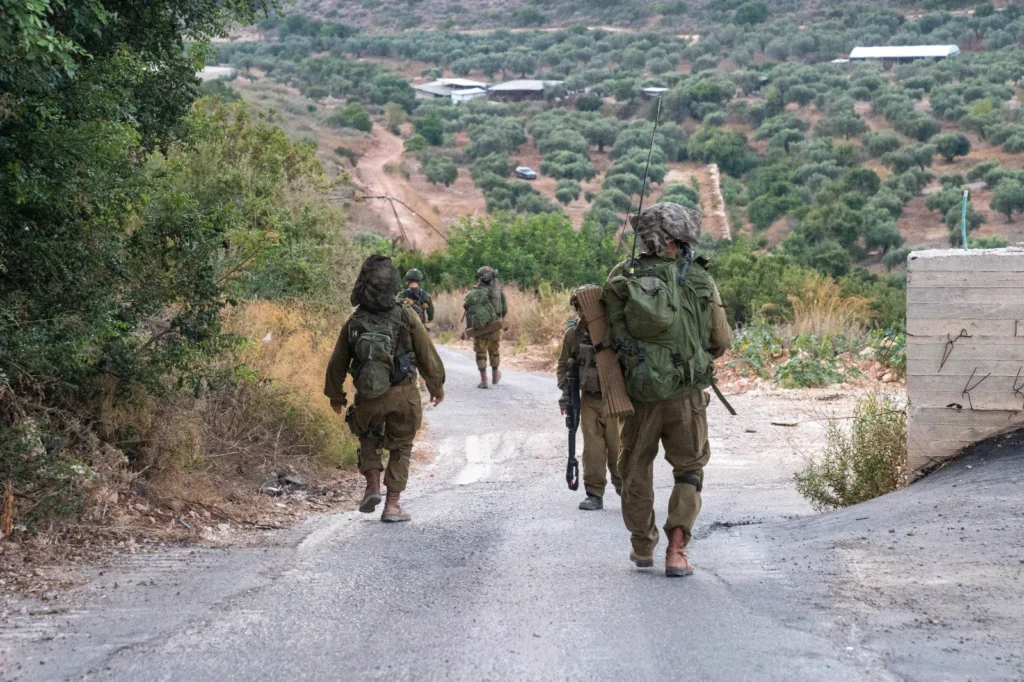
This impressive figure was first reported by journalist Amit Segal, following the Security Cabinet’s approval of Operation “Gideon’s Chariots”. The stated goal of the operation is to decisively defeat Hamas in the Gaza Strip and secure the release of the hostages.
The plan was formulated by the IDF Chief of Staff and the military command, and approved by Defense Minister Israel Katz and Prime Minister Benjamin Netanyahu. It is expected to be carried out with full force across all fronts—land, air, and sea—and will include a broad ground maneuver.
As part of the operation, the IDF will work to destroy Hamas’s military and governmental capabilities using heavy equipment, bomb disposal teams, destruction of threatening infrastructure, and applying direct pressure to release the hostages. An advanced defensive shield will protect the combat forces, and this time—unlike in past operations—the IDF will remain in the cleared territory.
This marks a fundamental strategic shift, based on the “Rafah Model,” an area where all centers of threat were eliminated and transformed into a secure zone under full Israeli control.
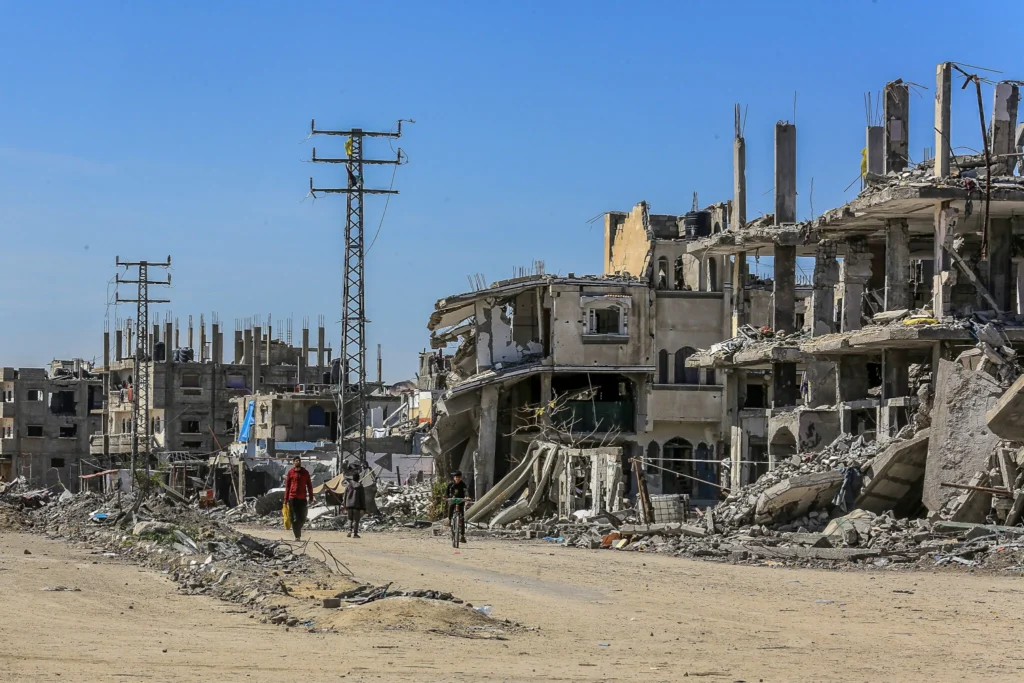
Also included in the decision: residents of northern Gaza will be instructed to evacuate southward to separate civilians from terrorists. A humanitarian plan will be implemented under close IDF supervision.
If a hostage deal is reached before the start of the ground maneuver, it will be prioritized. However, even in that case, the territories captured during the operation will be maintained as part of a permanent security buffer zone.
The strength of the operation and the resolve of Israel’s leadership are now being met with overwhelming support on the ground—reservists showing up in large numbers. For many of them, this is more than a military mission; it’s a national calling—to take part in reshaping the future of Israel’s security.