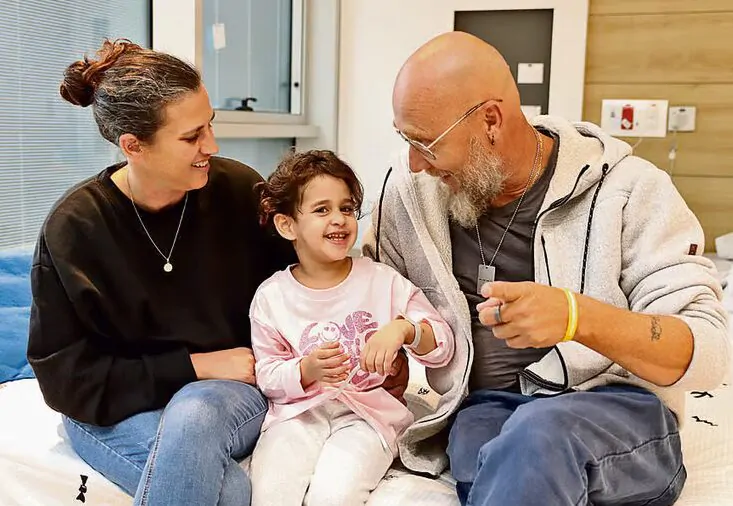

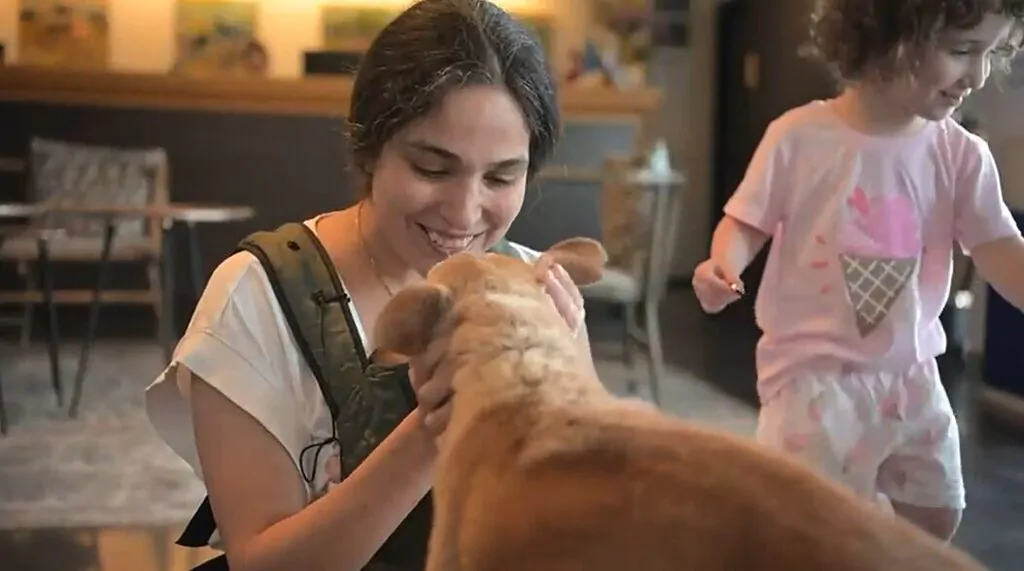
In Rishon LeZion, a heartwarming moment brought a glimmer of hope after destruction. Zvika, the Shabtai family’s dog, was rescued from beneath a bed amid the wreckage of their home after it was struck by an Iranian missile on Wednesday. Injured but alive, Zvika was pulled from the rubble by Oketz unit fighters and municipal teams, treated at the Beit Dagan veterinary hospital, and returned to his family after two days apart.
“The reunion between Zvika and the Shabtai family, and the light in their eyes, moved all of us and gave a little hope,” said Rishon LeZion Mayor Raz Kinstlich. “We will continue to support, accompany, and help the city’s residents in any way we can.”
Close Call at the Synagogue
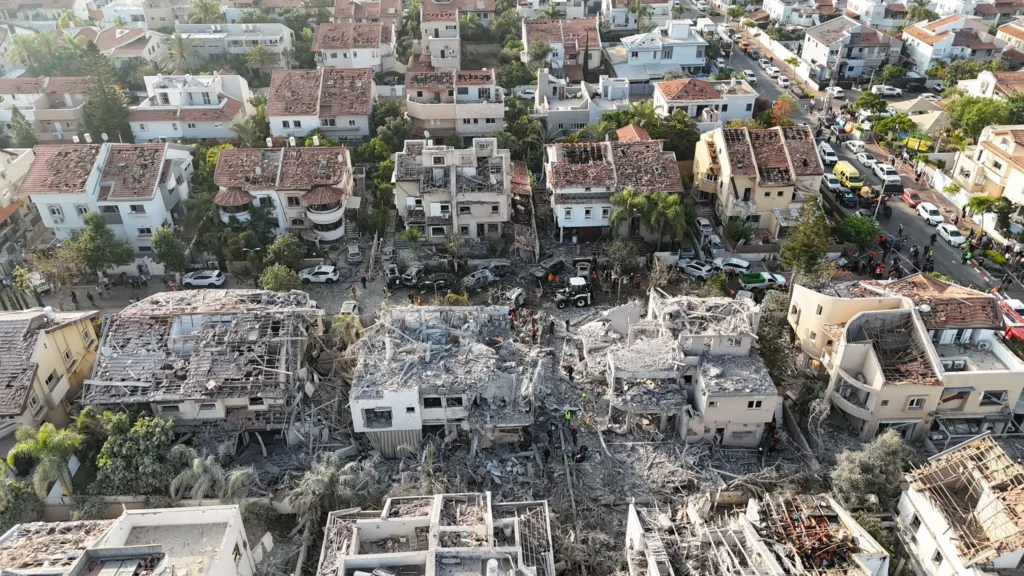
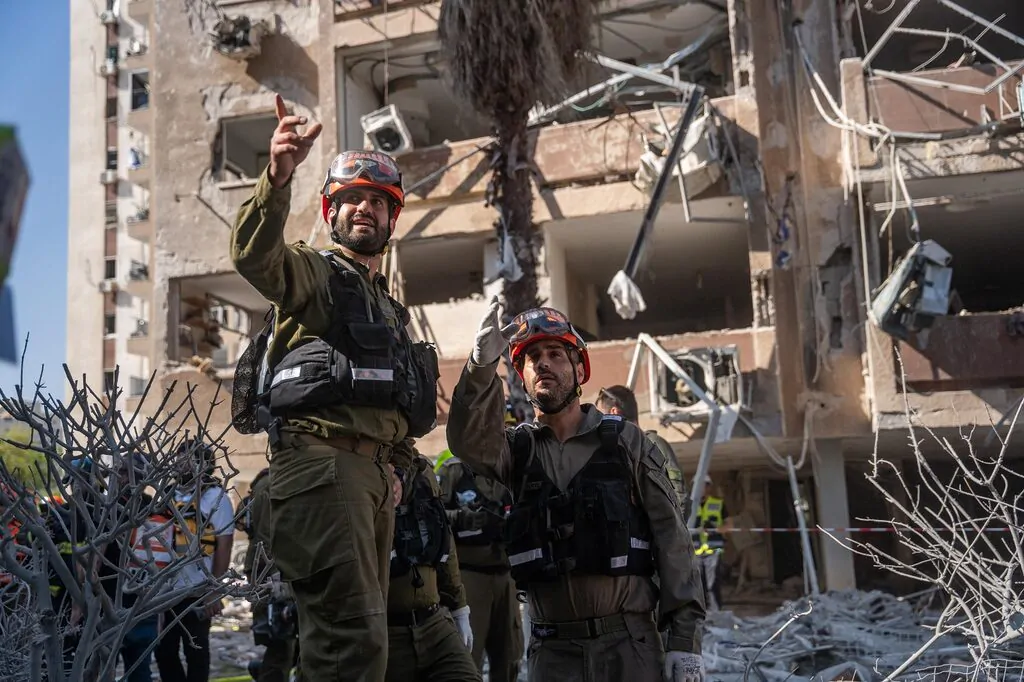
Not far away, another close call gripped Holon. A missile slammed into the Great Synagogue in the Shikun Vatikim neighborhood at precisely 7:05 AM—between the morning’s two prayer services. The usually crowded building, which also houses a Torah study academy (kollel) and a study hall, was miraculously empty at the time.
“The destruction will not break us,” said Rabbi Binyamin Hamra, head of the kollel. “From shattered glass and heavy loss, we will emerge stronger, united, and steadfast in our faith.”
Tragedy in Petah Tikva
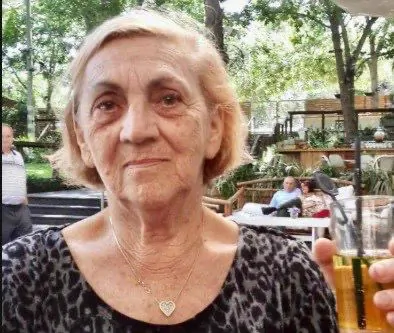
In the city of Petah Tikva, however, tragedy did strike. The IDF confirmed that 95-year-old Holocaust survivor Yvette Shmilovitz was killed in a missile attack that hit her building. Her death was a stark reminder of the human cost behind the headlines.
Bone Marrow Donation under Fire
But even amid chaos, life-saving acts continued. In Haifa’s Rambam Medical Center, nursing student Amit Samna donated bone marrow to a child in need — while sirens blared and rockets fell. A father himself, Amit was determined not to let the war delay the donation.
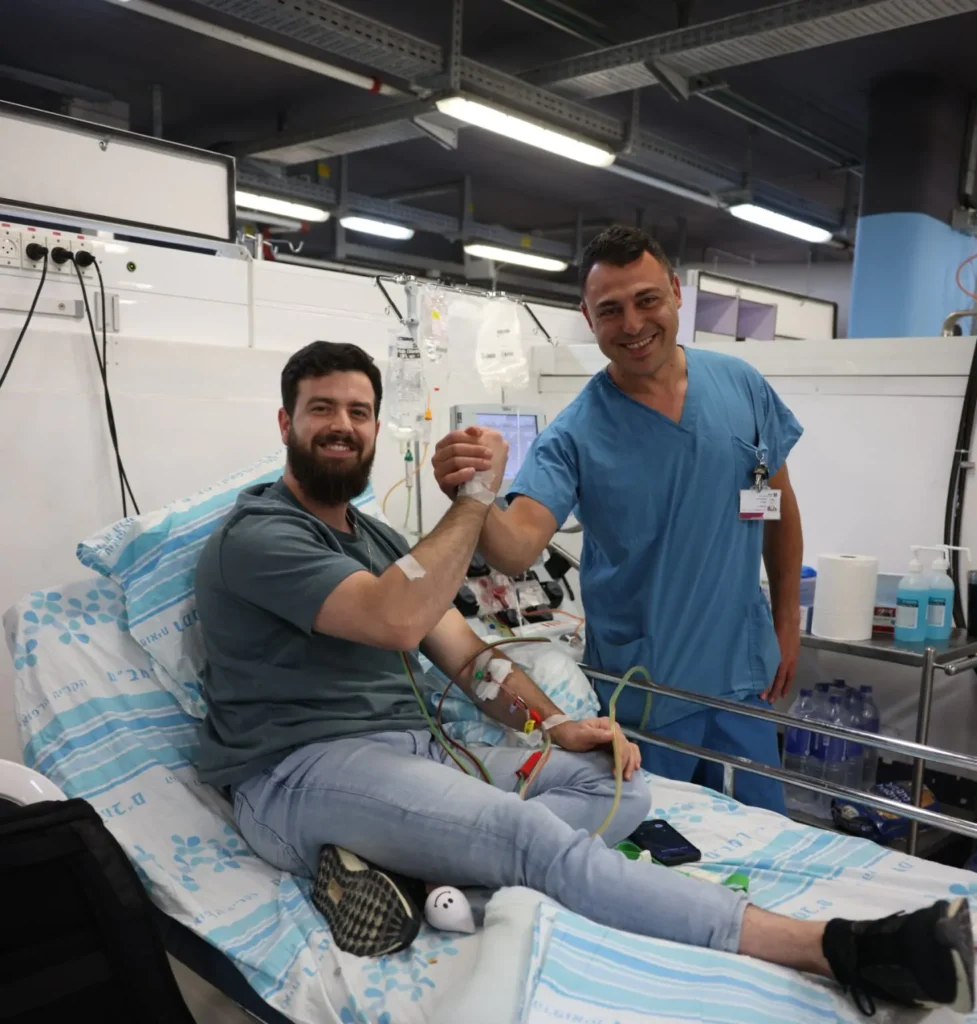
“Being a father to a young child, I just couldn’t ignore this,” he said. “When they offered to perform the procedure in Rambam’s underground shelter, I said ‘let’s do it!’”
Dr. Bracha Zisser, director of the national bone marrow registry at the Ezer Mizion medical assistance organization, praised Amit’s dedication: “Despite the war, saving lives comes first. Thank you to Rambam for stepping up — and to Amit for not letting war stop him from giving life.”
Miracle at the Yeshiva
Another missile fell near a Bnei Akiva yeshiva in central Israel early Monday morning. By providence, the school was empty of students at the time. The blast shattered windows and damaged walls in several buildings. Only staff families were present in the dorms, and none were physically harmed.
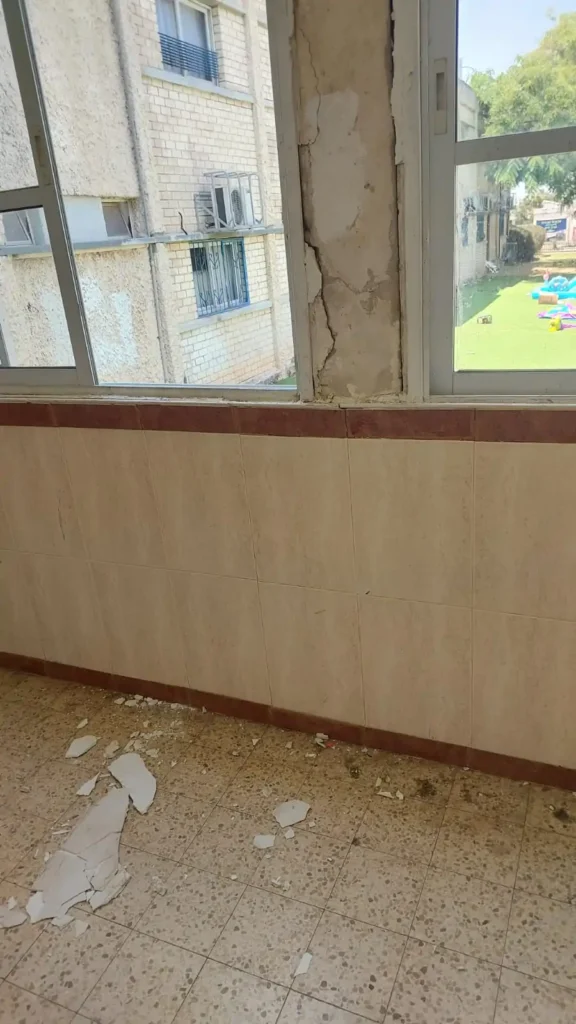
“I was en route to the yeshiva when I got the alert,” said the principal. “Seconds after entering a shelter room, I heard a massive boom. I was sure the missile had struck our campus.”
The head of the yeshiva, who arrived straight from reserve duty, added: “By the grace of Heaven, there were no casualties. We feel the depth of divine protection over our students, staff, and their families — and we are deeply grateful.”
These moments, each etched with fear and faith, define the Israeli home front: resilient, unified, and resolved to persevere — even under fire.