
Amid negotiations for the release of hostages, reports this morning (Thursday), such as in the X account of journalist Amir Ettinger, suggest that the Israeli government intends to advance normalization efforts with Saudi Arabia after the completion of the hostage deal.
Normalization: Behind-the-Scenes Efforts
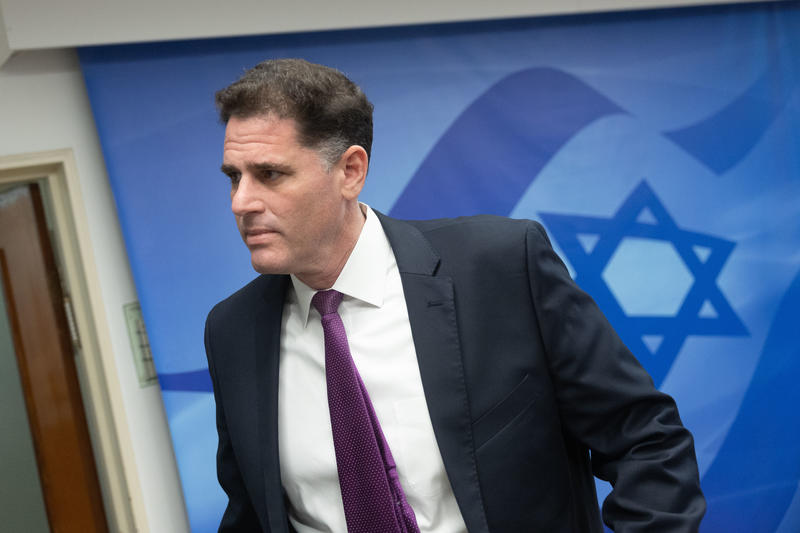
According to the report, Strategic Affairs Minister Ron Dermer has been working over the past two weeks on a normalization agreement with Saudi Arabia, which is expected to follow the hostage deal. However, the report remains uncertain, as it is believed that Saudi Arabia will demand a full ceasefire as a condition for moving forward with negotiations. Meanwhile, Prime Minister Netanyahu faces pressure from within his government to resume military action in Gaza after the deal.
Hostage Deal: What Does It Include?
The hostage deal, originally scheduled for cabinet approval today at 11:00 a.m., was postponed due to last-minute obstacles raised by Hamas. The finalized agreement, negotiated in Qatar, is expected to span at least 42 days, with the ceasefire set to begin at 12:15 p.m. this Sunday. Despite an anticipated majority in favor of the deal, Prime Minister Netanyahu spoke with the negotiation team early this morning, who reported that Hamas is attempting to modify the agreement’s terms at the last moment.
One key sticking point for Hamas is a clause granting Israel veto power over the release of high-profile terrorists considered symbols of terror. Hamas is pushing to dictate the identities of these prisoners. Netanyahu has instructed the team to “stand firm on the agreed terms and reject Hamas’s last-minute extortion attempts.”
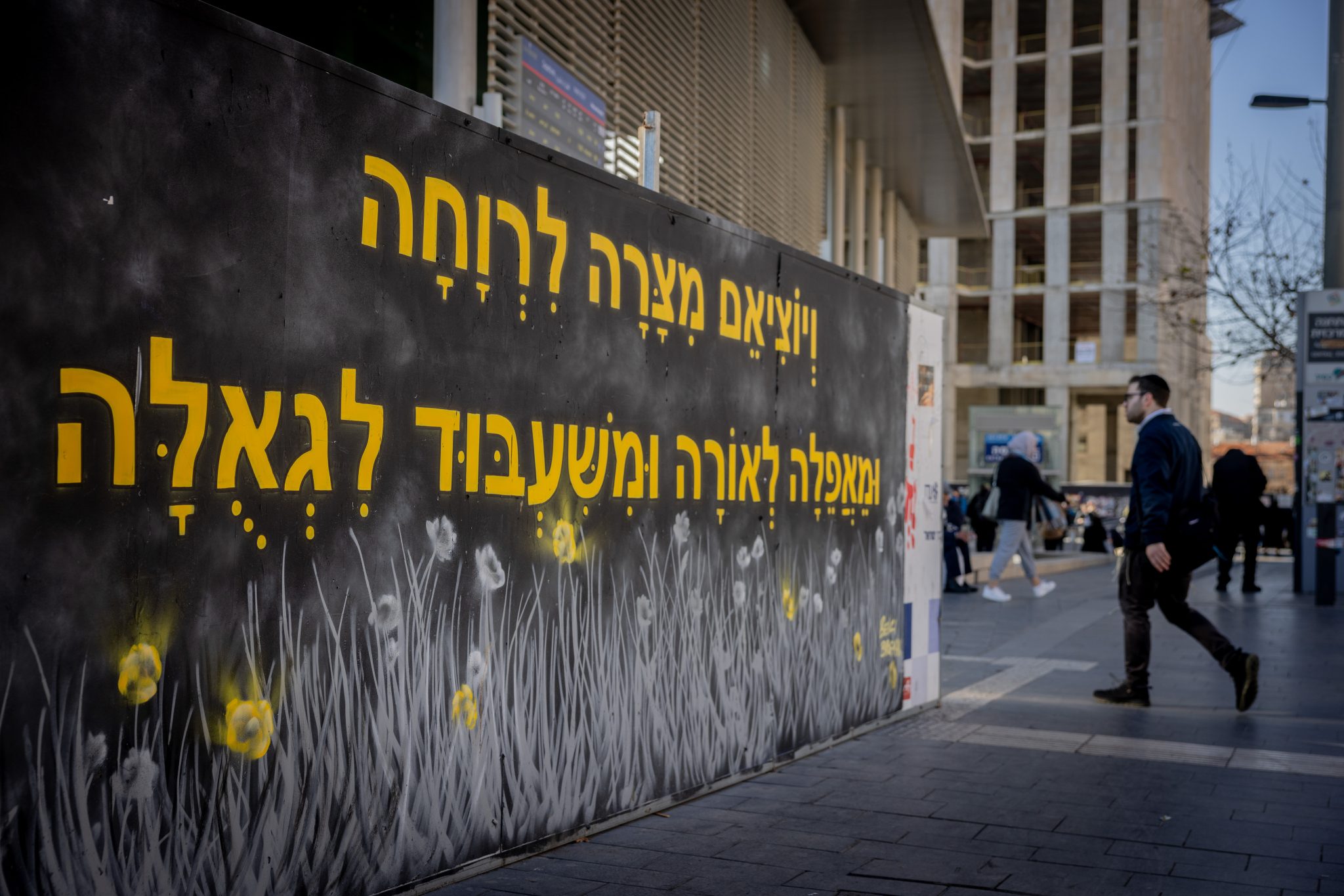
Although the full terms have not been officially disclosed, media and diplomatic reports suggest the release of 33 hostages, most of whom are alive. The group includes women, the elderly, and the sick, as well as Avera Mengistu and Hisham al-Sayed, who have been held in Gaza since before the war.
Mixed Reactions to the Deal
Reports of the hostage deal have elicited mixed reactions within Israeli society. Disagreements have arisen between two organizations representing hostage families; The Valor Forum, which advocates for military pressure on Hamas to secure the hostages’ release and the Hostage Families Forum, which supports reaching an agreement.
The political sphere is also divided on the issue. Some voices in the government warn that the Otzma Yehudit party, led by Itamar Ben Gvir, and the Religious Zionist Party, headed by Bezalel Smotrich, may withdraw from the coalition if they view the deal as “irresponsible.”
However, the report about potential progress toward normalization with Saudi Arabia following the deal adds a positive dimension to the situation, offering a glimmer of hope amid the complex mix of emotions surrounding the agreement.