
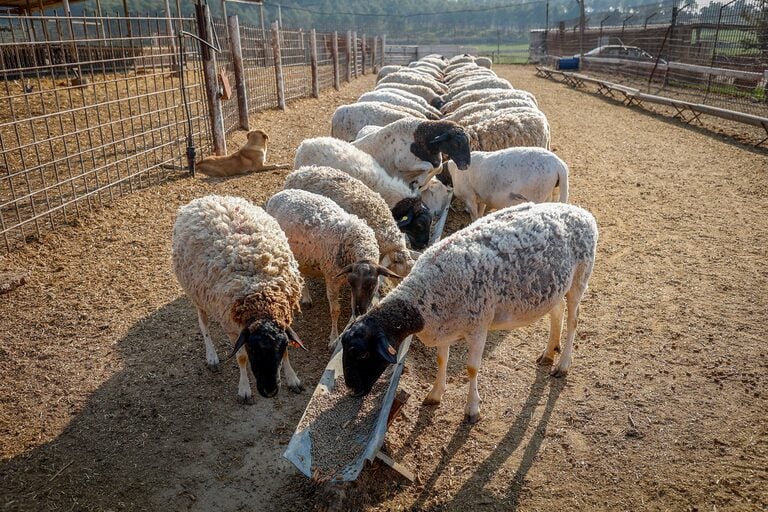
A first-of-its-kind auction will take place this week in Israel. In a unique event held in the Negev, 45 lambs from the Assaf breed—considered among the best in the country—will be offered for sale. The auction marks a major breakthrough in Israel’s sheep farming sector, providing Negev breeders with an unprecedented opportunity to purchase high-quality lambs accompanied by full data on their genetic lineage and performance. The event will take place on Thursday, May 29, at 17:00 at the Wadi Attir farm in the Negev.
Blending Local Genetics with European Traits
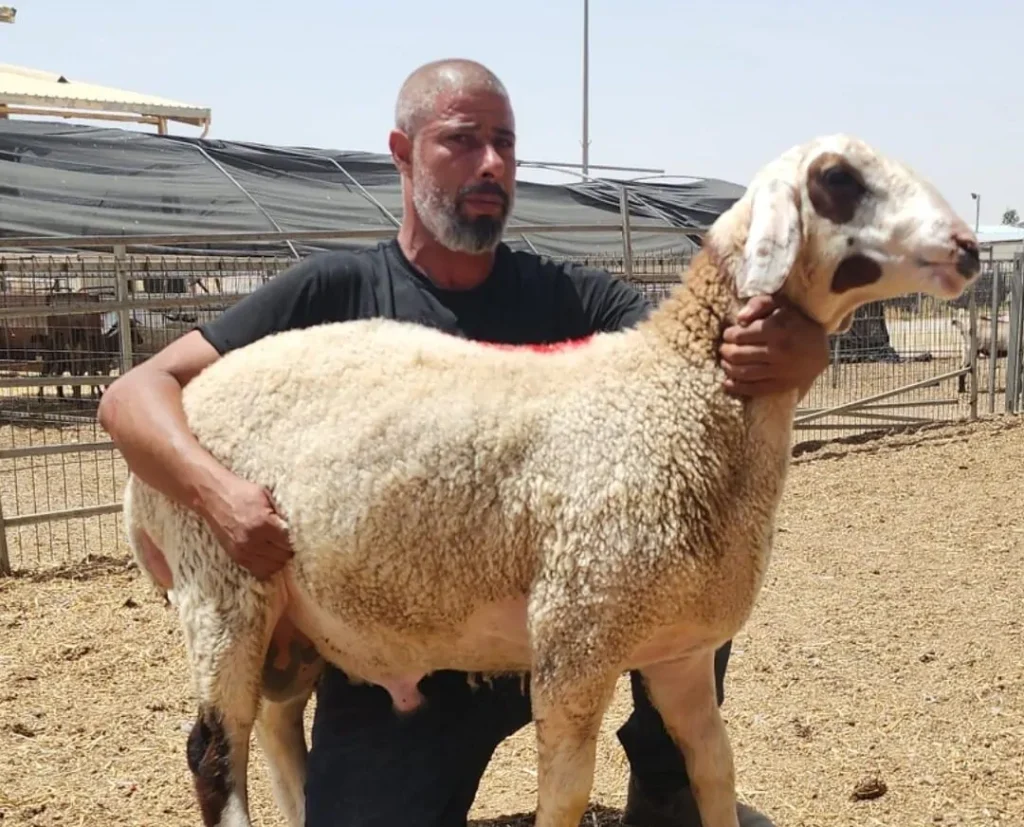
“The lambs selected for sale have been carefully chosen,” says Eitan Bar-Ness of Wadi Attir Farm. “They are all young males with outstanding traits—rapid growth, high milk production, and proven resilience under harsh desert conditions.”
According to Bar-Ness, this presents a rare opportunity to upgrade local herds, particularly at a time of soaring meat prices and a sharp decline in imports.
“The Assaf breed, developed locally, is the most common in agriculture across the Middle East. It combines local genetic strengths with unique traits from European breeds.” Bar-Ness also notes that the lambs have distinctive features such as broad ears, black hooves, and a body structure adapted to desert life.
A Way to Preserve Traditional Knowledge While Advancing Technology
Nimrod Rogel, CEO of the Project Wadi Attir , explains that the lamb exchange is not only an exceptional economic opportunity for Negev shepherds but also a meaningful social event. “This initiative returns to the community the ability to shape its future with pride and dignity. It’s a way to foster economic independence, preserve traditional knowledge, and integrate it with advanced technologies.”
He emphasizes two main goals: “To ensure that the next generation of herders can support their families with dignity, and to strengthen the local economy in an era of global challenges.”
The next generation of shepherds will be able to support their families and strengthen the local economy
One of the main drivers behind this unique initiative is the growing shortage of meat and dairy products in Israel, caused by the closure of local farms and the halt of sheep shipments from Australia. Wadi Attir emphasizes that beyond the economic impact, the project also contributes to reducing the country’s carbon footprint and easing animal suffering.
In keeping with ancient traditions in Gulf countries, the sale takes place during the lambing season—the period when lambs are weaned and separated from the flock, and breeders search for the next generation to improve their herds. In the past, the acquisition of lambs relied on personal networks and private searches for the “perfect father” to enhance the flock and sire the sheep of the future. Around 200 shepherds from the Negev and surrounding region are expected to attend the event and examine the premium lambs up close.