
Positive developments in negotiations for second phase of the hostage deal in Gaza
According to reports today (Thursday) from Reuters, talks were held in the past 24 hours between U.S. President Donald Trump’s envoy, Adam Boehler, and senior officials from Hamas, Egypt, and Qatar. The discussions addressed the management of the Gaza Strip in the post-war period and the formulation of future leadership in the region.
According to Egyptian sources quoted by Reuters, the talks ended positively, signaling an imminent transition to the second phase of the ceasefire agreement in Gaza. The discussions focused on critical issues such as identifying the individuals who will take the reins in managing the territory and planning for future stability in the area.
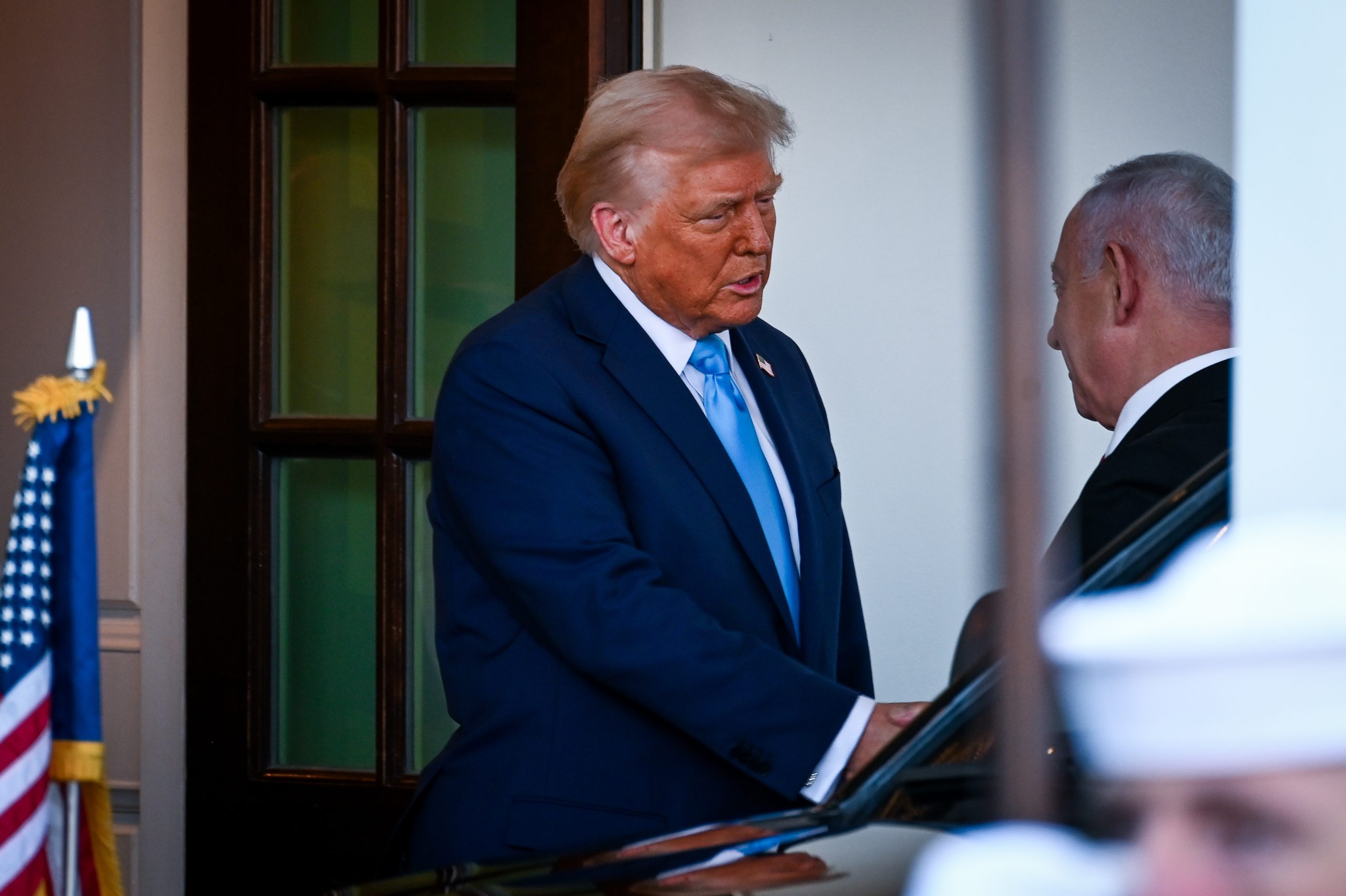
Trump Meeting with Netanyahu | Photo: Liri Agami, Flash 90
Preparations for the Migration of Gaza Residents
This morning, it was reported that in recent weeks, a mechanism has been established at the instruction of Defense Minister Israel Katz, aimed at facilitating the exit of 2,500 Gazans from the Strip each day.
The possible migration routes to destination countries include sea passage from Ashdod Port, aerial transit from Ramon Airport, and land passage through the Rafah Crossing. Some of these routes are already being used to transfer injured individuals from the Strip to other countries. In Israel, efforts are aimed at allowing the maximum number of Gaza residents to leave.

Migration to European Countries
In line with this policy, family members of sick and injured individuals are also given the opportunity to leave with them to other countries. In most cases, Gazans who have left the Strip have been received in Arab countries, but some have also migrated to Romania and Italy with the aim of settling there permanently.