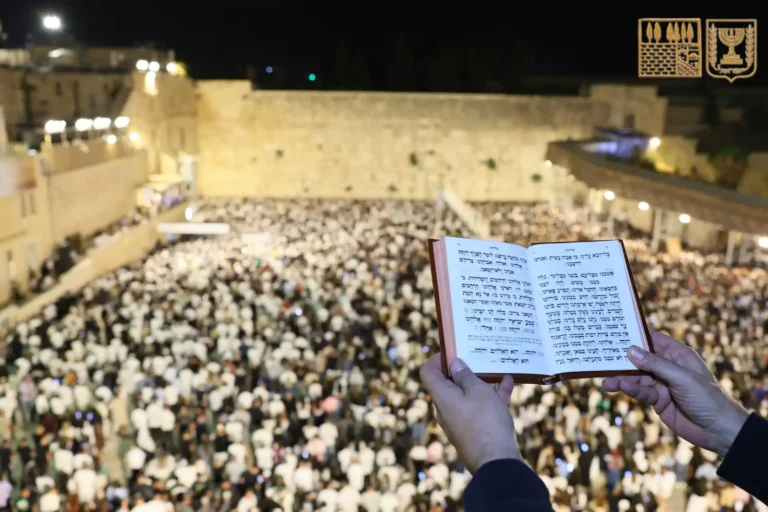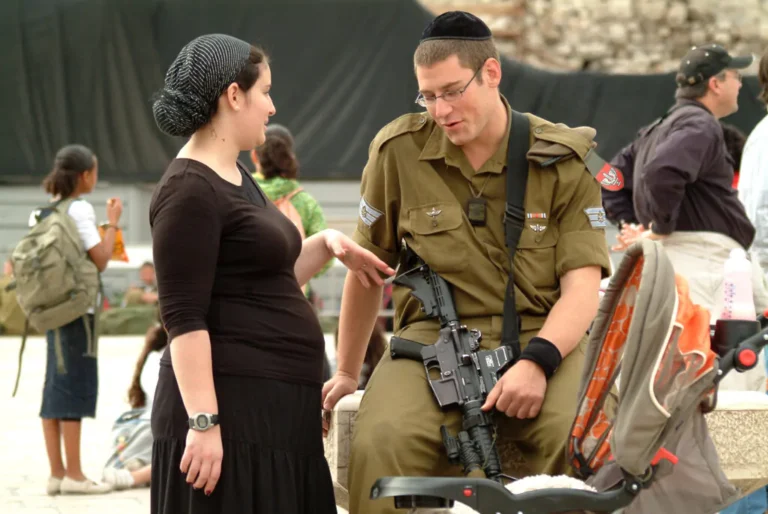

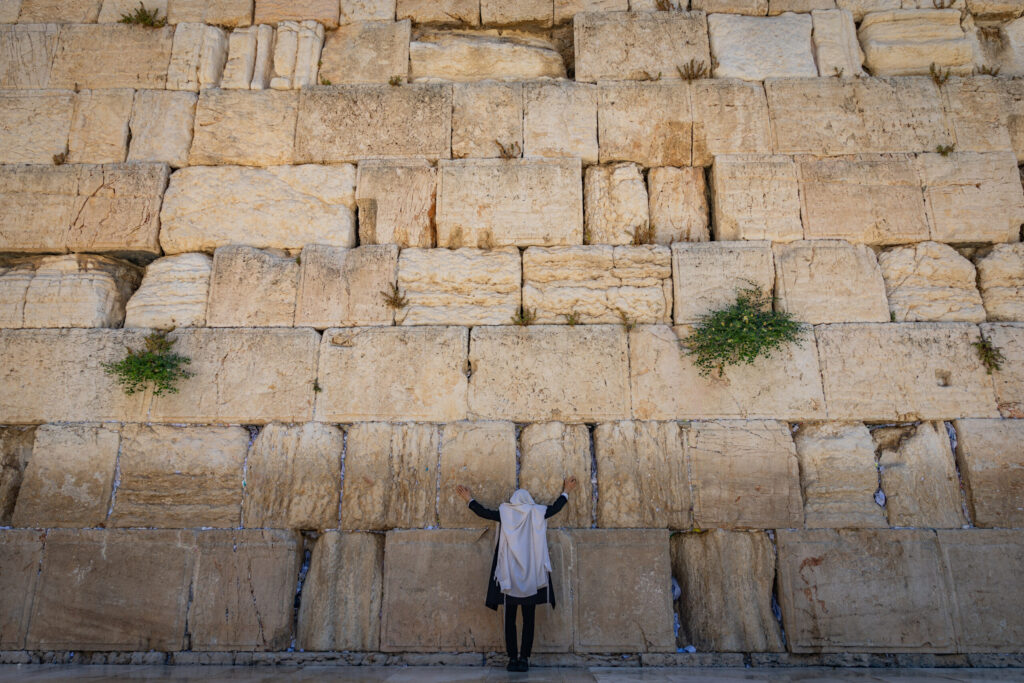
The fast of the 17th of Tammuz will be observed this Sunday, July 13. This fast marks the breaching of Jerusalem’s walls prior to the destruction of the Second Temple. It opens the Three Weeks of national mourning, known as Bein HaMetzarim, which continue until the day the Jewish people mourn the destruction of the Temple in Jerusalem, on Tisha B’Av, the ninth day of Av.
Why Do We Fast on the 17th of Tammuz?
The primary reason for the fast is to commemorate the breach of Jerusalem’s walls by the Roman general Titus, approximately 2,000 years ago. This event signaled the final stage of the city’s fall, culminating three weeks later with the destruction of the Second Temple.
The Jewish Sages list five major tragedies that occurred on this date:
- The breaching of Jerusalem’s walls – After a three-year siege, the Romans broke through, as famine weakened the city’s defenders.
- The burning of a Torah scroll by the Greek general Apostomus (known as “Apostomus the Wicked” in Jewish tradition) – a deeply shocking act that desecrated the Torah’s sanctity.
- An idol was first placed in the Temple – which was a grave desecration of the holy site.
- The shattering of the Tablets – According to tradition, Moses descended Mount Sinai on this day, saw the sin of the Golden Calf, and broke the Tablets.
- The suspension of the daily Tamid offering – During the Babylonian seige, the daily offering ceased.
The 17th of Tammuz fast begins at dawn and ends at nightfall.
Fast Beginning Times
Jerusalem: 4:31
Tel Aviv: 4:32
Haifa: 4:29
Be’er Sheva: 4:34
Fast End Times
Jerusalem: 20:13
Tel Aviv: 20:11
Haifa: 20:15
Be’er Sheva: 20:12
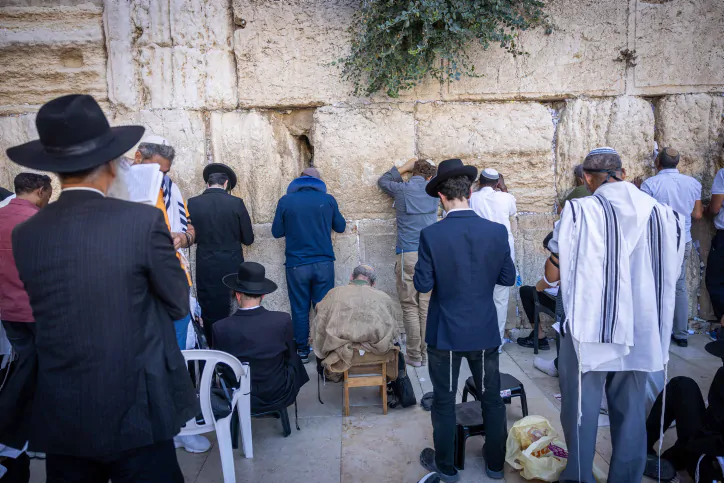
Some of the Fast Day’s Laws:
Those exempt from fasting are the ill, pregnant women, nursing mothers, women within 30 days postpartum, children below bar/bat mitzvah age, the elderly, and the infirm.
Brushing teeth is permitted with caution, ensuring no water is swallowed.
Pill-taking without water is allowed if the pills are tasteless.
The Three Weeks
The period between the 17th of Tammuz and Tisha B’Av is known as the “Three Weeks” or Bein HaMetzarim. During this time, mourning customs are observed for the destruction of the Temples and other tragedies in Jewish history.
Customs of the Three Weeks
- No Weddings – Most Jewish customs forbid holding weddings from the 17th of Tammuz through Tisha B’Av. Sephardim traditionally forbid weddings only from Rosh Chodesh Av. Nonetheless, former Sephardi Chief Rabbi Yitzchak Yosef issued a special halachic ruling allowing weddings during this time—even for Ashkenazim—due to the war in Iran and the fighting in Gaza. He ruled that in times of clear duress, such as this, one may and even should be lenient. He noted that even in Jerusalem, weddings were traditionally held during this period, writing: “One who is stringent in this loses more than he gains.”

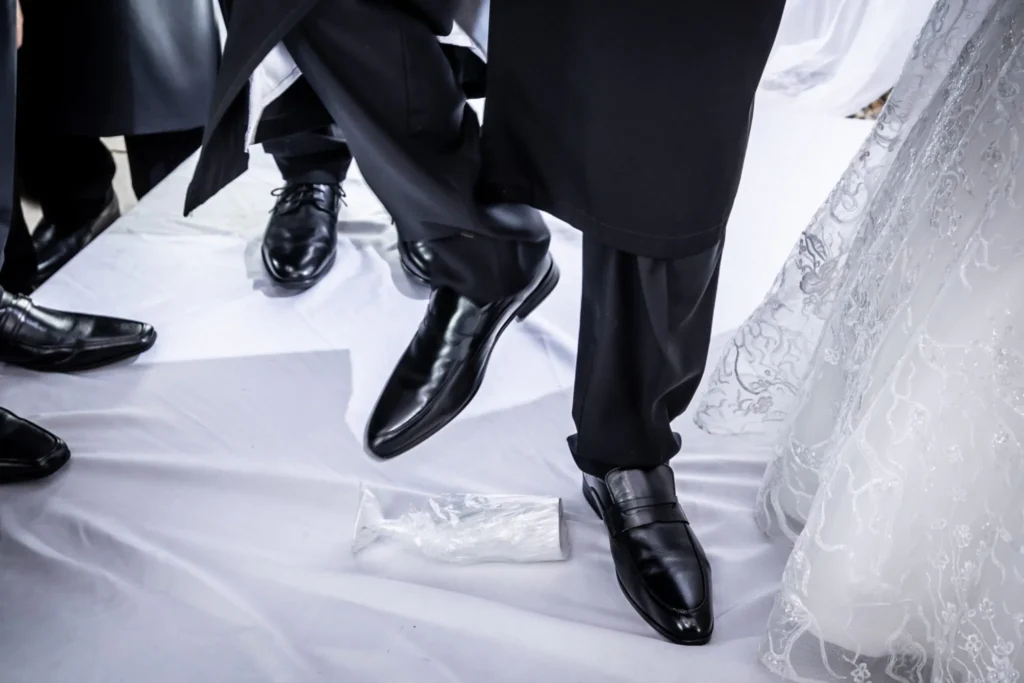
Breaking the cup in memory of destroyed Jerusalem at a wedding, illustration | Photo: Shutterstock - Avoid the Shehecheyanu blessing of renewal– on new fruits or garments during the Three Weeks, except on Shabbat before Rosh Chodesh Av. It is permitted in cases of mitzvah or need, such as for the ill or infants.
- No Music, Playing Instruments or Dance– unless for a mitzvah or financial need. Vocal singing is permitted.
- No Haircuts – Some permit it until the week of Tisha B’Av. During that week, haircuts are forbidden. Women are not restricted from haircuts.
- Laundry and wearing freshly laundered clothes – is forbidden during the week of Tisha B’Av, except where necessary. Ironing and shoe cleaning are allowed. Some people simply lay garments on the floor before wearing them.
- No meat and wine – from Rosh Chodesh Av until Tisha B’Av, except at seudat mitzvah or in cases of need. Some avoid wine only during the week of Tisha B’Av.
- Minimize celebrations and shopping – Events and purchases of clothing or jewelry are minimized. Buying for essential need or to avoid loss is permitted.
These customs of mourning keep alive the Jewish hope for rebuilding the Temple and restoring the light of the God to the entire world.