

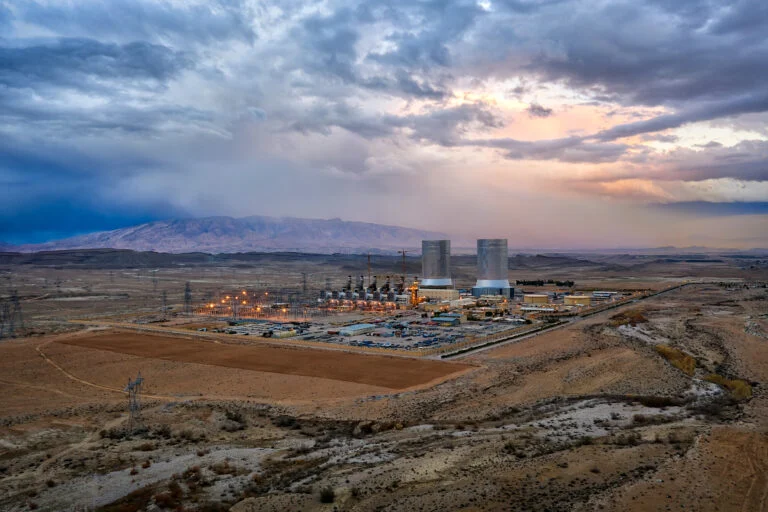
While senior officials in Washington and Tehran prepare for another round of nuclear negotiations scheduled for this coming Saturday, the deep divide between the sides continues to widen. The U.S. is demanding a full dismantling of Iran’s uranium enrichment capabilities, while Tehran has declared, “We will not give it up.” At the same time, five U.S. military transport planes landed in Israel carrying advanced interception systems—part of preparations for a possible Iranian ballistic response.
Deadlock—and a Shift in the American Approach
On Thursday morning, Israel This Morning reported that the nuclear talks appear to be stuck. Donald Trump’s envoy, Steve Witkoff, stated: “A deal with Iran will only be completed if it is a Trump deal. Any final arrangement must set in place a framework for peace, stability and prosperity in the Middle East—meaning that Iran must stop and eliminate its nuclear enrichment and weaponization program.”
Iran rejected the demand outright. Foreign Minister Abbas Araghchi responded: “We will NOT negotiate under pressure and intimidation. We will NOT even consider it, no matter what the subject may be.”
Following these statements, pressure has increased on the U.S. administration—both from Jerusalem and from neoconservative circles in Washington. Political analysts are warning of an unbridgeable gap that could lead to a military decision if the upcoming talks fail.
Advanced Equipment Lands in Israel
Against the backdrop of the diplomatic stalemate, five C-17 transport planes landed yesterday at Nevatim Airbase. According to foreign reports, they carried advanced missile interception systems meant to defend against ballistic barrages—a scenario the IDF is preparing for in case of an Iranian retaliation to a possible Israeli or American strike.
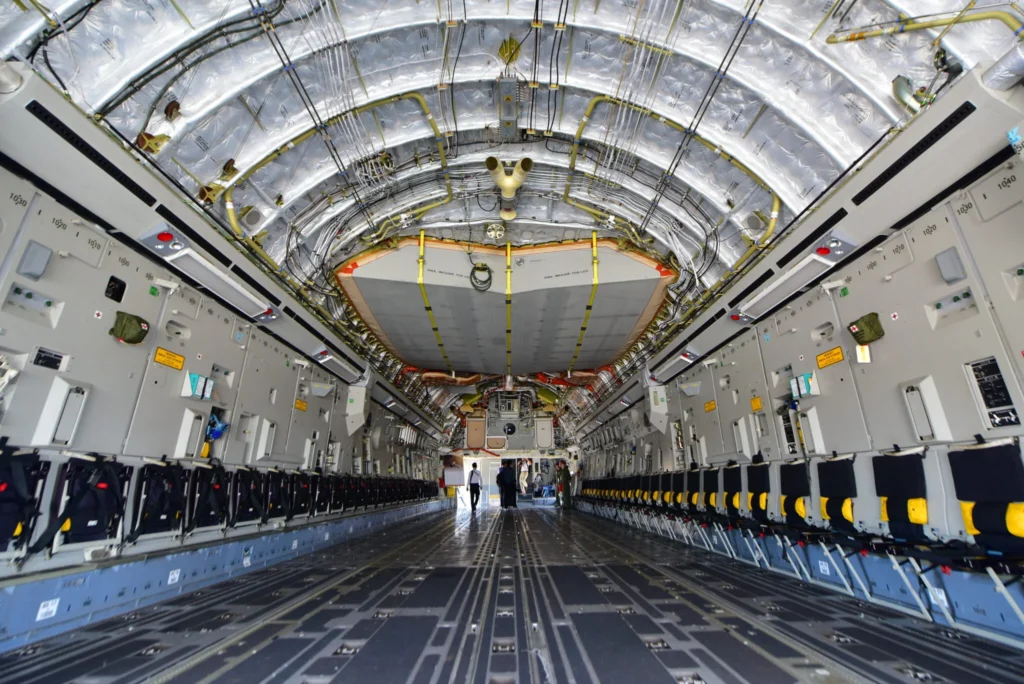
The ongoing arrival of such shipments, despite official public policy lines, suggests that the strike option is not off the table—but remains ready in the event diplomacy breaks down.
Trump Sends a Message: I Won’t Wait Forever
President Trump has made no secret of his view that the Iranians are “tapping us along.” He added that a decision on whether to strike or pursue a deal would come soon, after a brief evaluation period. The next round of talks is scheduled for Saturday in Oman. If those talks fail, a military decision may be fast approaching.
And This Morning—One Call Changed Everything
According to a report published today in The New York Times, Israel had planned to carry out a strike on Iran’s nuclear facilities as early as next month. The plan included an aerial assault alongside commando units, and was entirely dependent on American support—for defense systems, intelligence, and logistics.
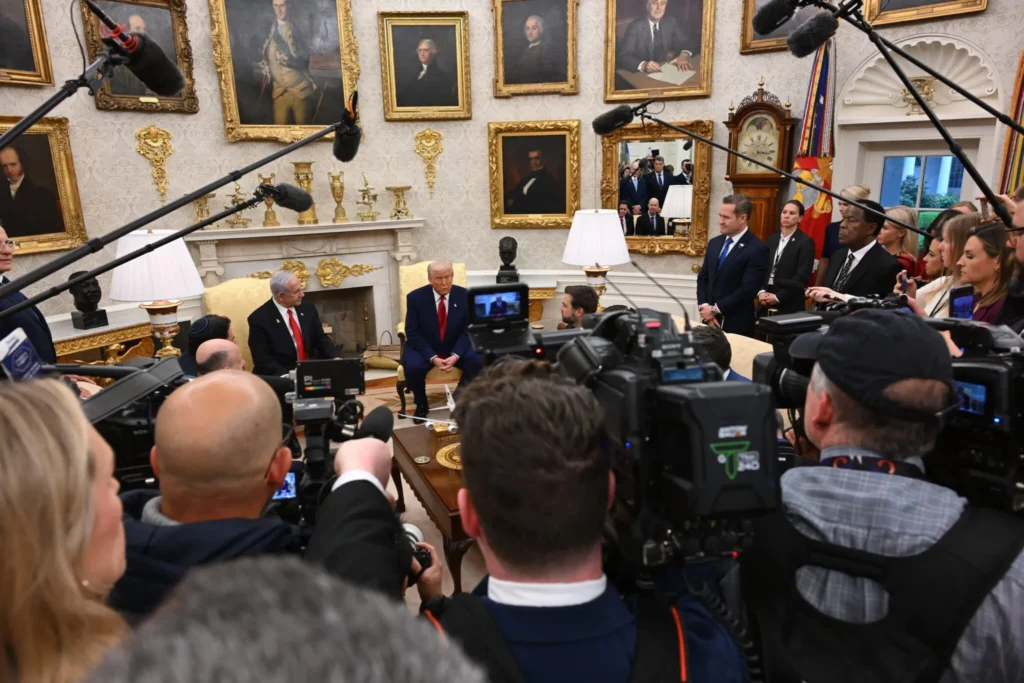
In a meeting held in early April between Prime Minister Netanyahu and President Trump, the U.S. president made it clear that America would not provide support. In that same meeting, he also announced the start of negotiations with Iran. According to the report, the opposition to the Israeli strike emerged after intense internal debates within the U.S. administration, between those supporting a military move and those warning of regional escalation.
As a result, Netanyahu was forced to shelve both versions of the operation—the more complex one and the simpler version involving only an airstrike. But on the ground, it appears everything is still in place.