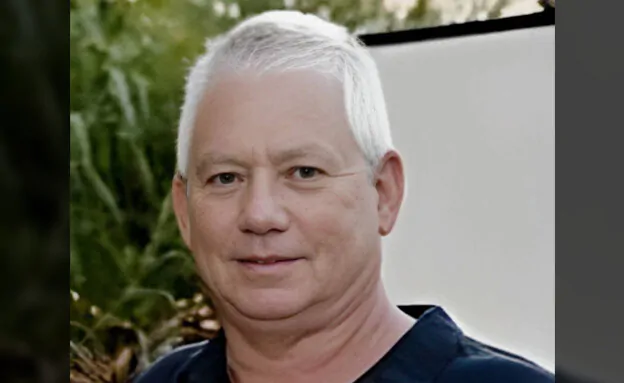
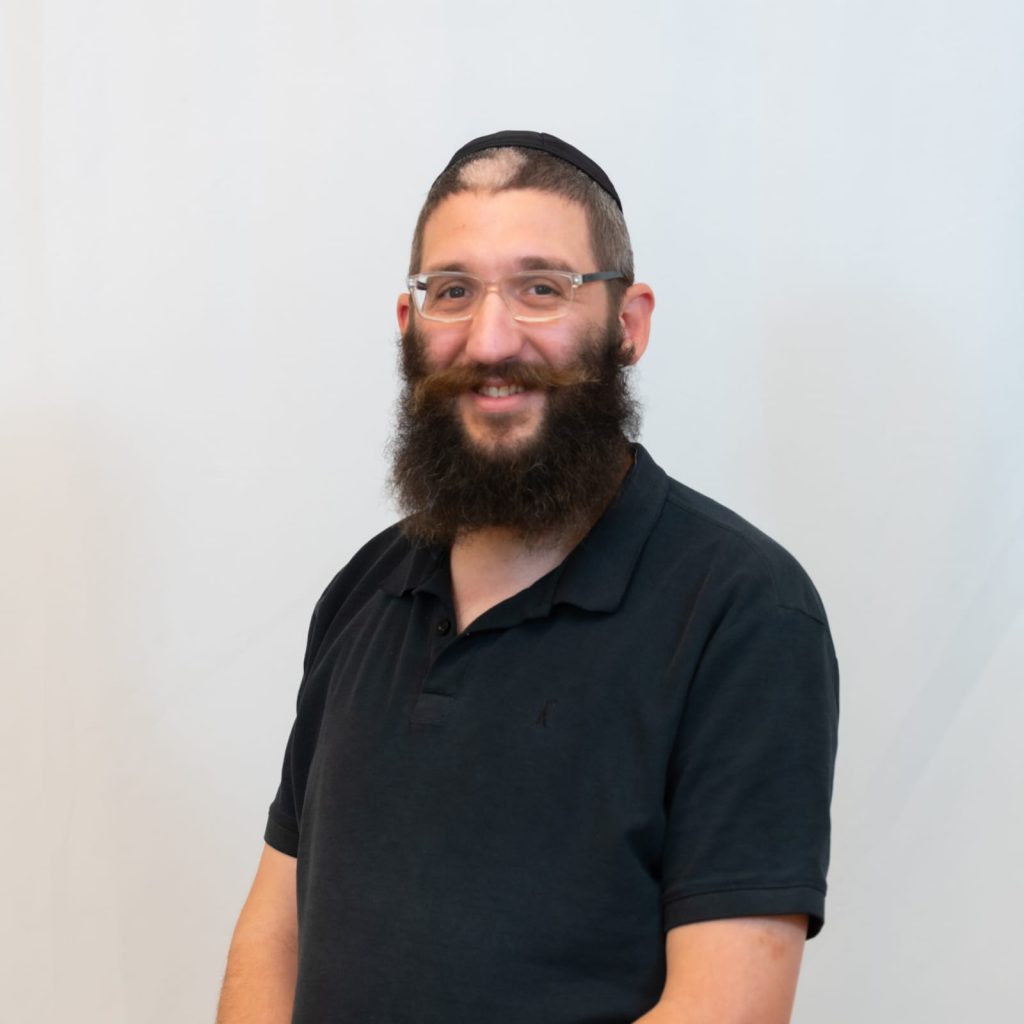
Chaos reigned on that fateful morning of October 7. Thousands of festivalgoers fled for their lives — and amid the panic and terror, one calm and determined voice cut through the noise, directing survivors to safety. This is how those who escaped the Nova festival massacre describe Rami Davidian: a man who took it upon himself to save the lives of dozens, hundreds, and ventured into the heart of the danger to get them out.
As the massacre unfolded and Hamas terrorists turned partygoers into live targets, the army and police advised people to hide. But Rami made a different choice — not to wait, but to move in and take action.
Gunfire and moments of terror, captured by the survivors:
A ray of light in the darkness
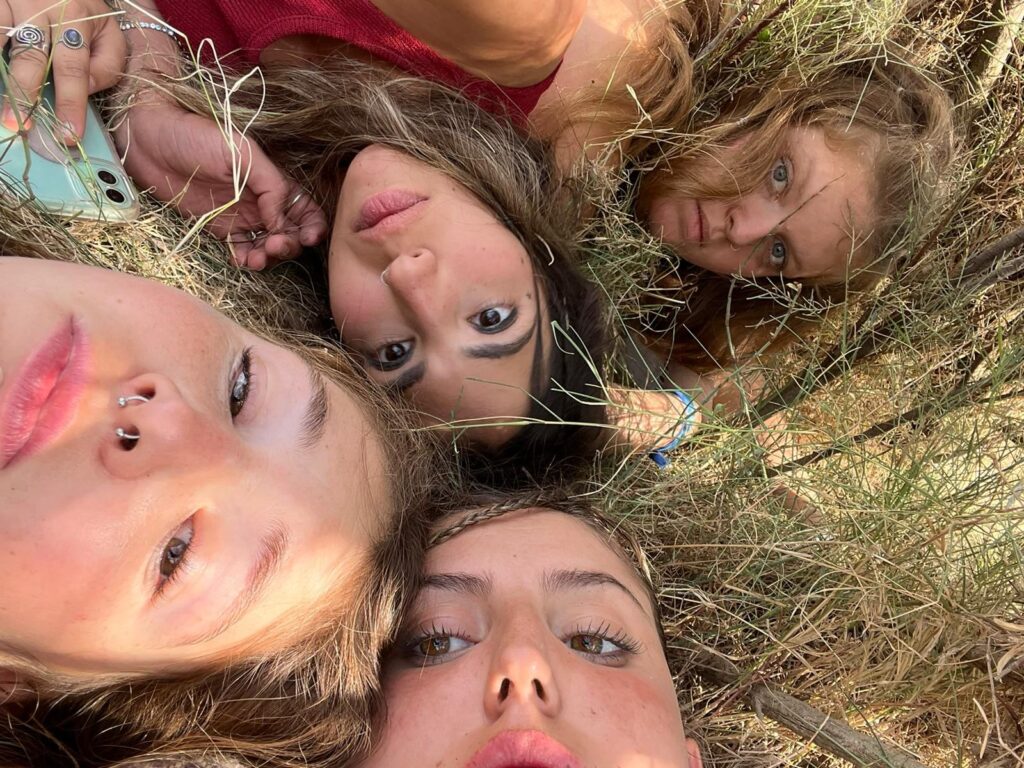
“On October 7, I was hiding in the firing zone with three other girls — we stayed there for nearly seven hours,” Lior Ohayon told ‘RegaNews’. “No one could reach us. I eventually sent my location to a friend who had made it to Moshav Patish, and she was the one who connected us with Rami.”
Lior’s voice trembles as she relives the ordeal. That call with her friend Zohar, she says, was their final lifeline. Gunfire echoed from every direction, and the overwhelming realization that they were completely alone in an unthinkable situation left them frozen in fear.
“Several people before him had refused to come,” she adds, still stunned by the fact that their only hope came from someone entirely outside the official rescue forces. “The police and the army just told us to keep hiding.”
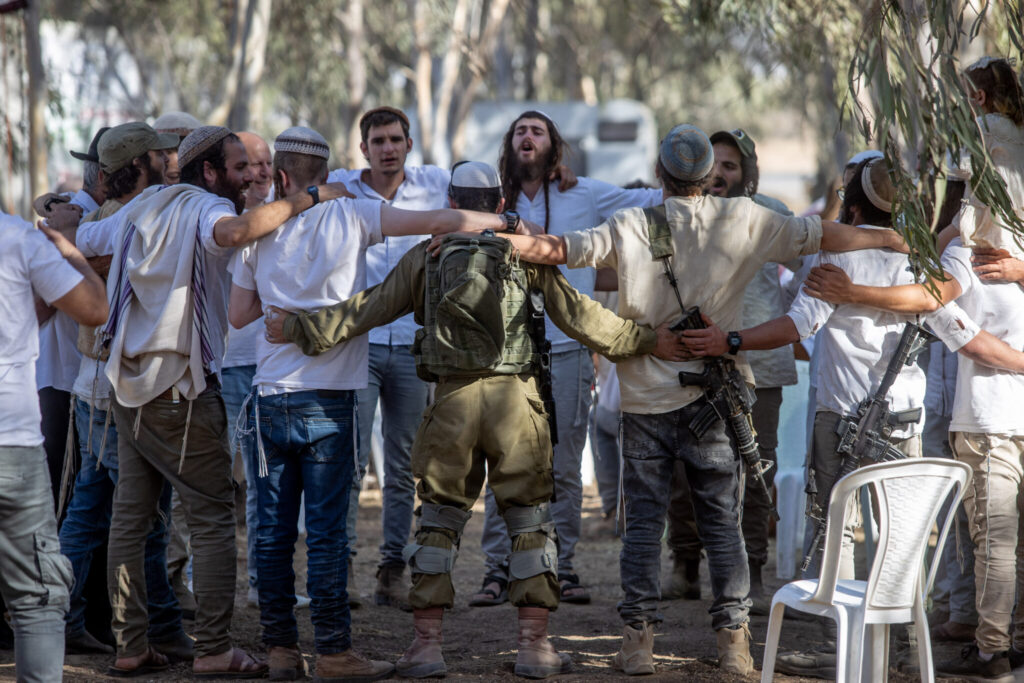
“They told us: ‘You’re in enemy-held territory’”
Michal, one of the girls Lior joined in hiding, recounts: “They told us we were in enemy-held territory. That was the police’s response. We asked where to run, what to do — but they said even if they wanted to reach us, it was impossible. In that moment, we felt completely abandoned. The area was under terrorist control — where could we go?”
She says they exhausted every possible option before eventually being connected with Rami. “I called the police. They said they had my location and were sending a patrol car. That was it. But then the gunfire started again, and we realized we couldn’t wait any longer — we had to run.”
A sense of despair and helplessness took hold. After hours of aimless running, they huddled under a bush that offered partial cover.
They had no idea how long it would take for help to arrive — or if the terrorists would reach them first. “We believed a patrol car was on the way, so we stopped moving. We thought maybe the police knew something we didn’t,” Michal recalls. “But as the gunfire intensified, we understood — the patrol wasn’t coming.”
That’s when their own improvised ‘war room’ kicked into action. They began sending live locations, trying to find phone numbers of nearby residents, desperately hoping someone would respond. “We called the army, journalists, reporters — no one had answers. Not because they didn’t care, necessarily, but because they were overwhelmed or helpless. Calls were dropped, or we got replies that felt completely disconnected from the reality on the ground,” Michal says.
The girls filmed themselves hiding, whispering: “I hope this doesn’t become the last video before-“:
The first contact with Rami
“We were deep inside the firing zone,” Lior says. “We understood that no official rescue could reach us until the terrorists were neutralized. But outside the system, there was someone else — Rami Davidian — and he chose to go where no one else dared.”
“I want people to truly understand: when I say ‘firing zone,’ I mean it literally — it was a zone that was filled with intense terrorist gunfire. Rami, along with Oren and Lion Bar (bless his memory), went into that zone. They gave us step-by-step instructions on how to crawl out and reach them.”
One of the central figures in this story is Col. Lion Bar, who, according to testimonies, returned to the area the following day in an effort to save more survivors — but never came back. “Lion was there with his son,” Lior says, her voice breaking. “They found him dead next to a police car that the terrorists had overturned and set on fire. They apparently also rigged it with explosives. That’s how he was killed.”
“When we started speaking with Rami, he told us he couldn’t come all the way in because he had spotted terrorists nearby. Instead, he came up with a plan: he would honk his car horn so we could crawl toward the sound. That horn became our lifeline — he’d honk, we’d crawl a few meters, pause, listen for the next honk, and keep moving.”
“Another friend of mine was also rescued by Rami”
In those dark and chaotic hours, Rami and his partners used the honking method again and again to rescue lost young people. “At the end of the day, if he had recklessly pressed farther in to where we were, he would have put his life in even greater danger,” Lior acknowledges. “Instead, he focused on helping as many survivors as possible, guiding them safely out, instructing them hoe to avoid battle zones.”
Michal adds, “We had only 1% battery left. The call cut off. We were terrified, but we followed the sound of Rami’s honking. We crawled toward it and eventually spotted two cars — one belonged to Lion and Oren, the other to Rami. We got into Lion and Oren’s car first. They got us out of the danger zone and then transferred us to Rami.”
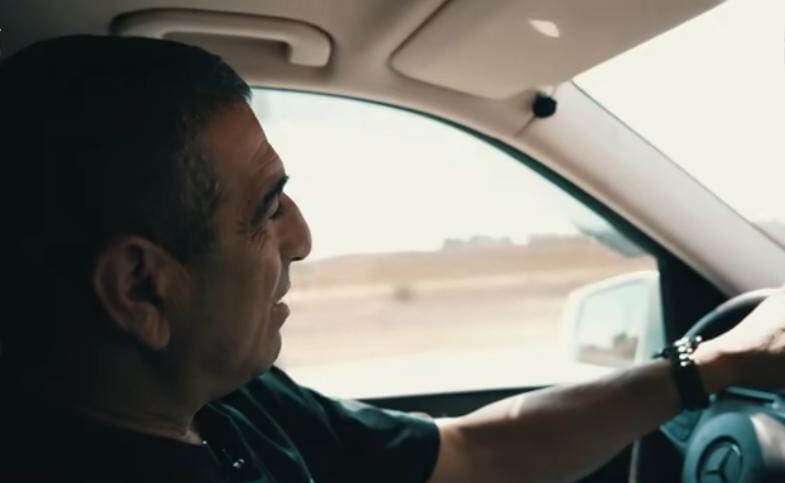
The entire operation took place under constant fear. “We didn’t reach a paved road. This wasn’t an organized rescue with flashing police or army lights. It was a quick exchange, with no explanations, deep in the firing zone. Rami was waiting at the other end with another vehicle and drove us to Moshav Patish. I went to a family a friend of mine knew. The others stayed at Rami’s home. He and his wife hosted them in a shelter and bedrooms, and took care of everything. My friend Moran Lovel was also rescued by him.”
A light in the darkness
All the survivors agree on one thing: Rami was their only lifeline. “We were truly at the mercy of Heaven,” says Michal. “The army was engaged in relentless fighting. The police couldn’t help — or maybe they were simply overwhelmed. But what stood out most was Rami’s voice, calmly saying, ‘I have a plan. Run east. Head to Moshav Patish. Stay in the bush until I honk.’ He never stopped.”
Michal goes on to describe a scene that sounds surreal: “A thousand people were running through open fields, terrorists hiding in wait everywhere, gunfire echoing all around — and in the middle of that chaos, just one man and a handful of volunteers, racing against time.”
“Rami managed to reach some of our friends and give them instructions on how to escape: ‘Don’t go west — that’s Gaza. Go east. Look for a way out.’ People were in total panic. Many were running or driving in the wrong direction.”
As the hours passed, more and more stories began to emerge — stories of how Rami had guided survivors through junctions, and even advised police who were trying to make sense of what was happening in the fields.
Courage and Compassion
It’s important to understand that Rami’s entire family played a role in the rescue efforts. According to the testimonies, “Rami’s granddaughter, his wife, his children — they all stepped in to help. They didn’t know anyone’s names, didn’t know who the partygoers were. They just knew people needed help,” Michal says.
The survivors repeatedly emphasize the humanity at the core of this story. “This isn’t just military-style heroism,” says Michal. “We’re talking about compassion — a man who was willing to give us his phone, his home, whatever we needed. He stayed humble. And when the story hit the media, I don’t think he expected the flood of questions or even accusations that might follow.”
Zohar (ZhoZho), who encountered him twice that day, adds, “There’s no doubt he changed the course of hundreds of lives. At the very least, he gave people the right direction they needed to escape — and that turned out to be the difference between life and death.”
“Why should he be criticized? For what?” Zohar asks, with pain in her voice. “If anything, society owes him a profound debt of gratitude. If I could, I would award him the highest civilian honor for the courage he showed that day.”