
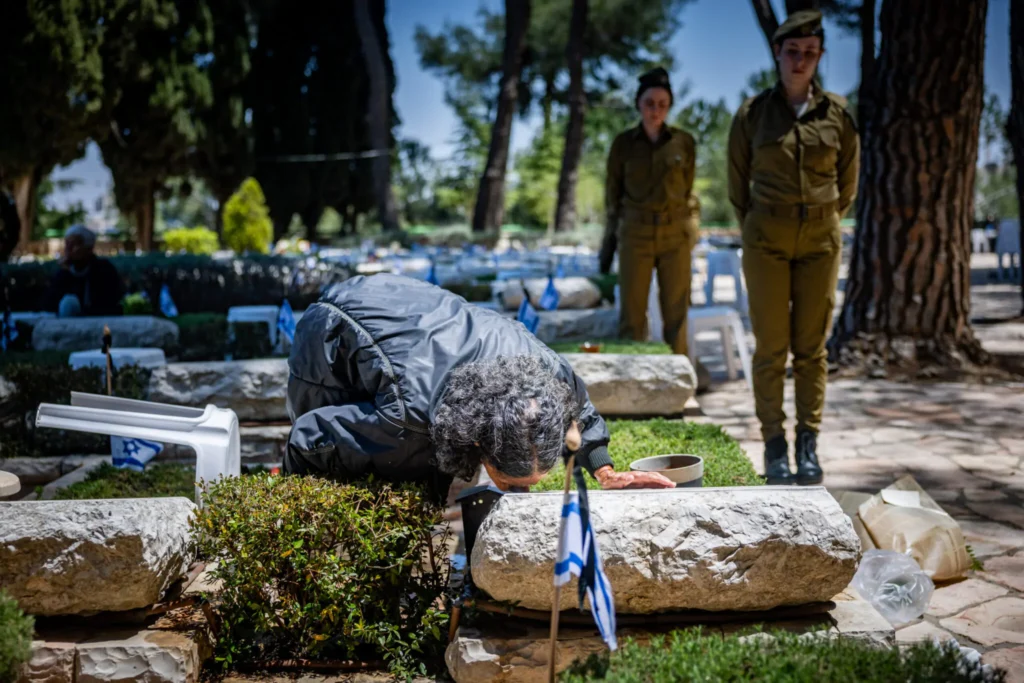
A new national support program, titled “Family Circle”, has been launched to assist the extended families of fallen soldiers, hostages, and survivors of terrorism in the wake of the October 7 attacks. Over the next three years, the initiative aims to provide therapeutic services to approximately 6,000 individuals from what officials call the “second and third circles” of affected families.
These include siblings, grandparents, aunts, uncles, cousins, and in-laws—loved ones who often carry the emotional weight of support but are not formally recognized as victims of terror.
Focused on the Invisible Victims
While many extended family members continue with daily responsibilities, they often do so while suppressing their own emotional trauma. The “Family Circle” program seeks to acknowledge and serve this overlooked group with customized mental health and resilience services.
Funded by a coalition of government and nonprofit entities—including the Jewish Agency’s Fund for Victims of Terror, the National Insurance Institute, and the Ministry of Welfare and Social Affairs—the initiative has a total budget of 14 million shekels.
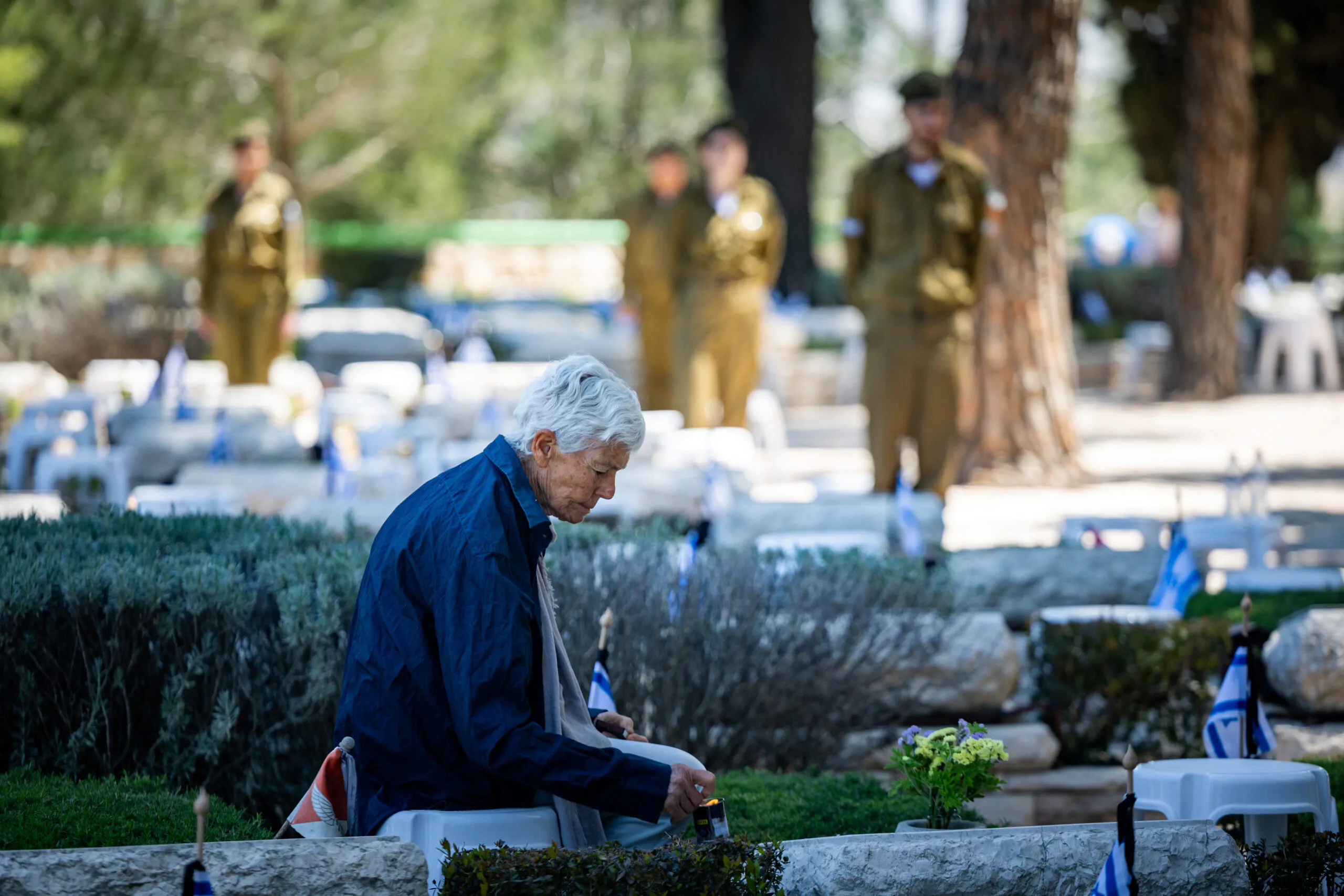
Comprehensive Treatment to Begin in Late 2025
A call for proposals has already been issued to identify professional organizations that will run the program. Planned services include: body–mind therapies, group dyadic sessions, and family interventions. Additionally, grief processing workshops, and coping-skills development will be implemented.
The first treatment groups are expected to launch in the second half of 2025.
A Response to a Widening Circle of Grief
Ayelet Nahmias-Verbin, Chair of the Jewish Agency’s Fund for Victims of Terror, explained that the program builds on earlier support models: “Since October 7, we’ve assisted around 15,000 individuals—about 6,000 of them through group therapy designed specifically for the ‘invisible victims’ in the wider family circle. Early in the war, we recognized the need to expand our support far beyond the immediate family.”
Welfare Minister Yaakov Margi echoed this sentiment: “The harsh new reality requires a broader view of who has been affected. The extended family—siblings, grandparents, uncles—often carry a heavy emotional burden but are excluded from formal assistance frameworks. This program is here to reach them.”