

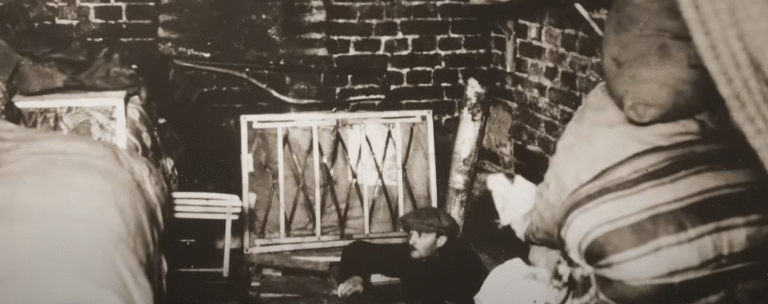
In 1910, in a quiet Polish village, two young girls—Rozalia, a Catholic, and Minshe, a Jew—began first grade together. They studied side by side, played, grew up, and eventually went their separate ways. But the bond they formed never faded. Thirty years later, when the Nazis invaded Poland, that childhood friendship became a matter of life and death.
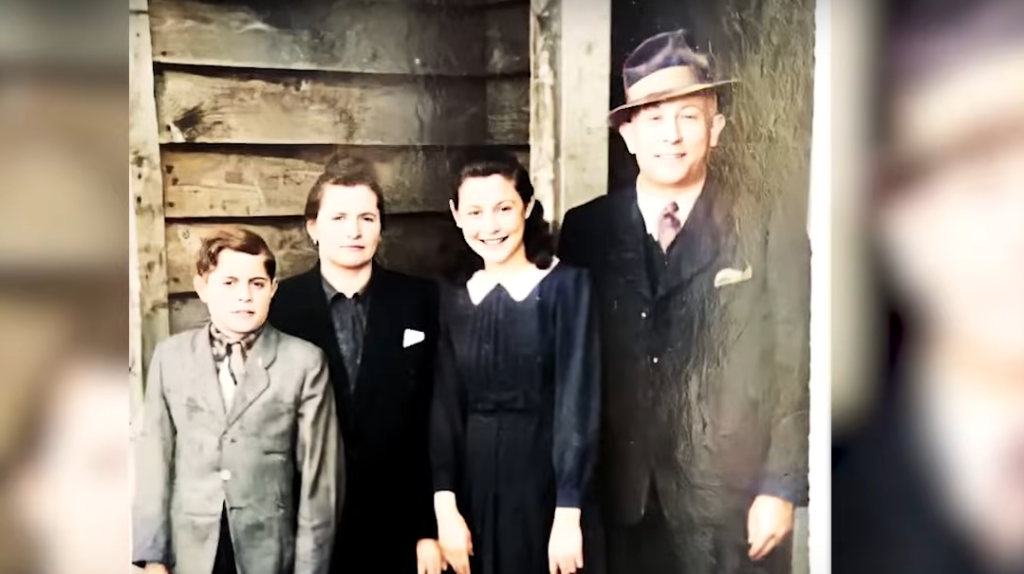
In 1939, Germany invaded Poland. The Neidel family—Minshe, her husband Meir, eight-year-old Tuli, and nine-year-old Sarah—fled in a desperate search for shelter. They arrived at the farm of Rozalia, Minshe’s childhood friend. Without hesitation, Rozalia and her husband, Michał Kopacz, opened their door and took all four of them in.
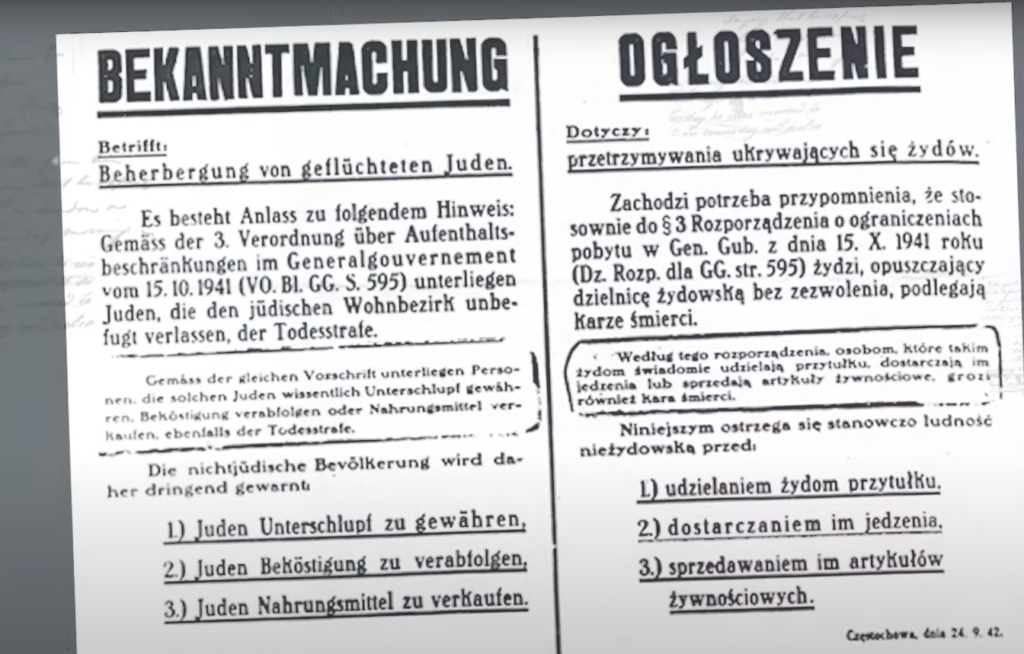
At the time, hiding Jews was a capital offense. Posters plastered throughout towns warned: “Anyone who helps Jews—death is their sentence.” Still, Rozalia, Michał, and their four children—Josek, Marian, Janek, and Witek—shared their home, their food, and their lives with the Neidel family. They never asked questions, never sought payment, and never demanded anything in return.
Disaster loomed near when little Witek began playing with other village children and innocently said, “We have dolls at home.” The villagers grew suspicious—who were these “dolls”? Sensing the threat, Rozalia acted quickly. She took a chicken, chopped off its head, and warned him: “If you say again that we have dolls at home—this is what will happen to your head.” From that day forward, Witek did not speak for five years.
Gratitude—Eighty Years Later
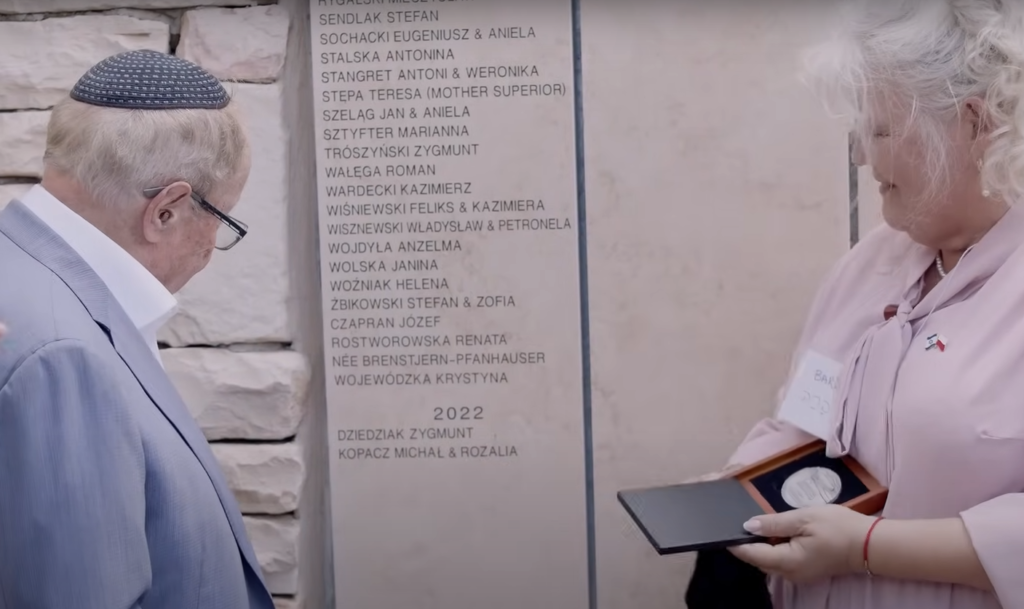
Eight decades passed. The story lived on, but the Christian rescuers had faded into history. Only last year, following a family-led investigation, the Kopacz family was found and invited to Israel.
“Last year, I was having dinner with a friend in Poland,” said Jeff Neidel, Tuli’s nephew. “I told her the story. She asked me, ‘Jeff, you really don’t know where those children are? Nothing at all?’ I said, ‘No.’”
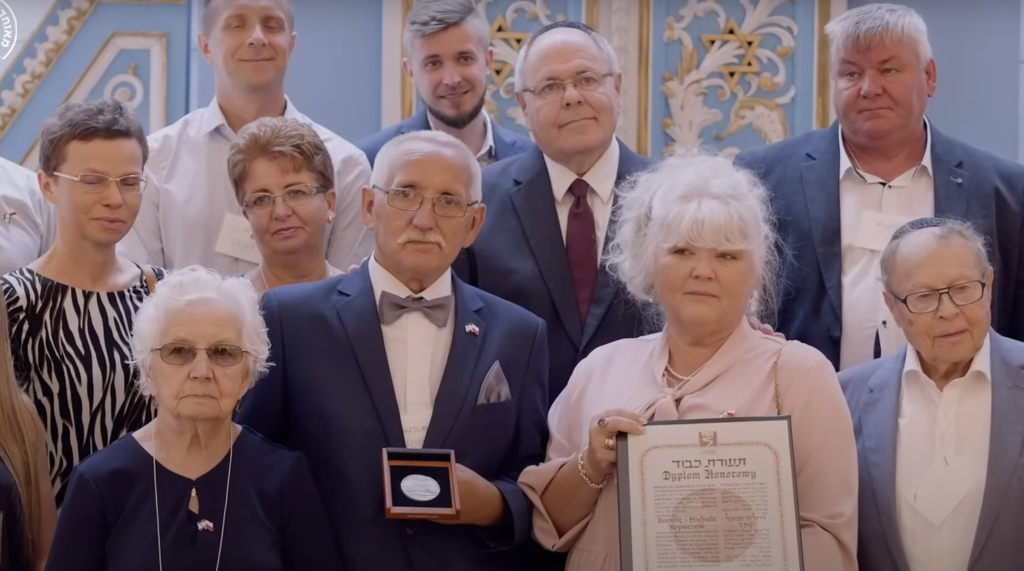
Jeff’s friend launched a search and eventually posted a moving message on Facebook: “I found the family.”
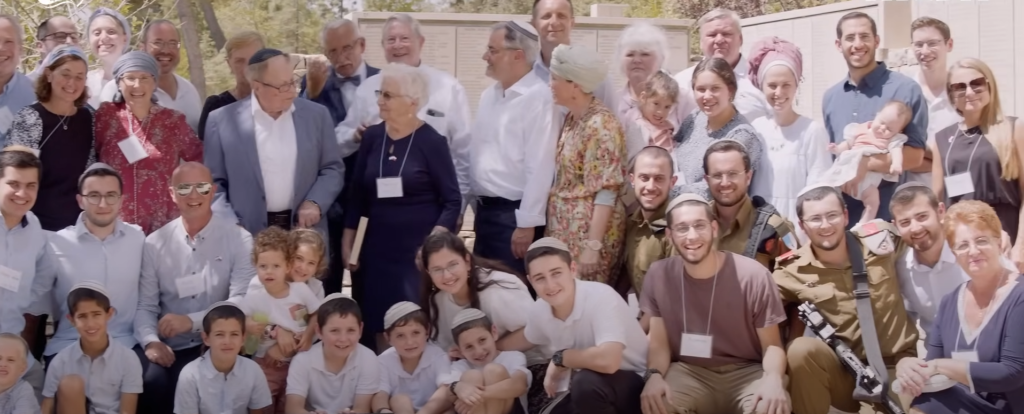
In a powerful reunion in Jerusalem, four generations of the Neidel family met with three generations of the Kopacz family. They embraced, cried, and shared one simple, unforgettable sentence: “You gave us life. We will never forget it.”



it took over 80 yearts to thaks