
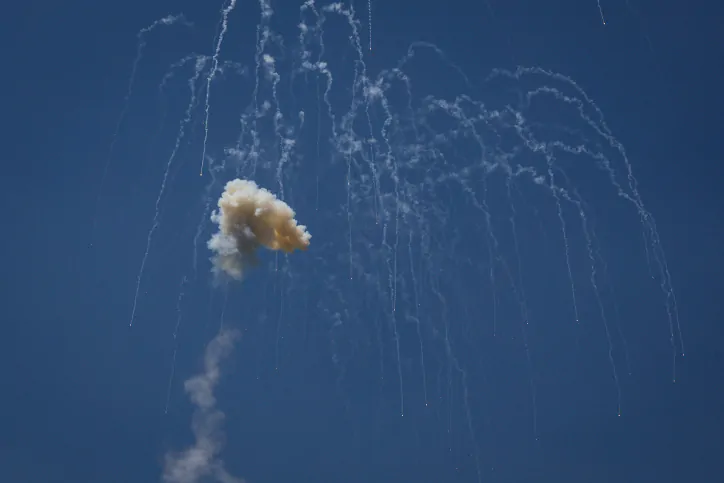
By mid-afternoon, the scale of the attack became clearer. According to IDF and emergency services, approximately 20 missiles were launched in the latest wave. Four separate impact sites were reported across the country, with responders deployed to each location. Initially, there were no confirmed injuries, but by late afternoon, reports from Haifa indicated a significant escalation in casualties.
Censorship was lifted at 4:20 p.m., revealing that two missile impact sites had been identified in Haifa. A 16-year-old boy and a 40-year-old man were severely injured by shrapnel. Rambam Hospital later confirmed that it had received 12 wounded individuals—two in serious condition, two moderately injured, and eight with minor wounds.
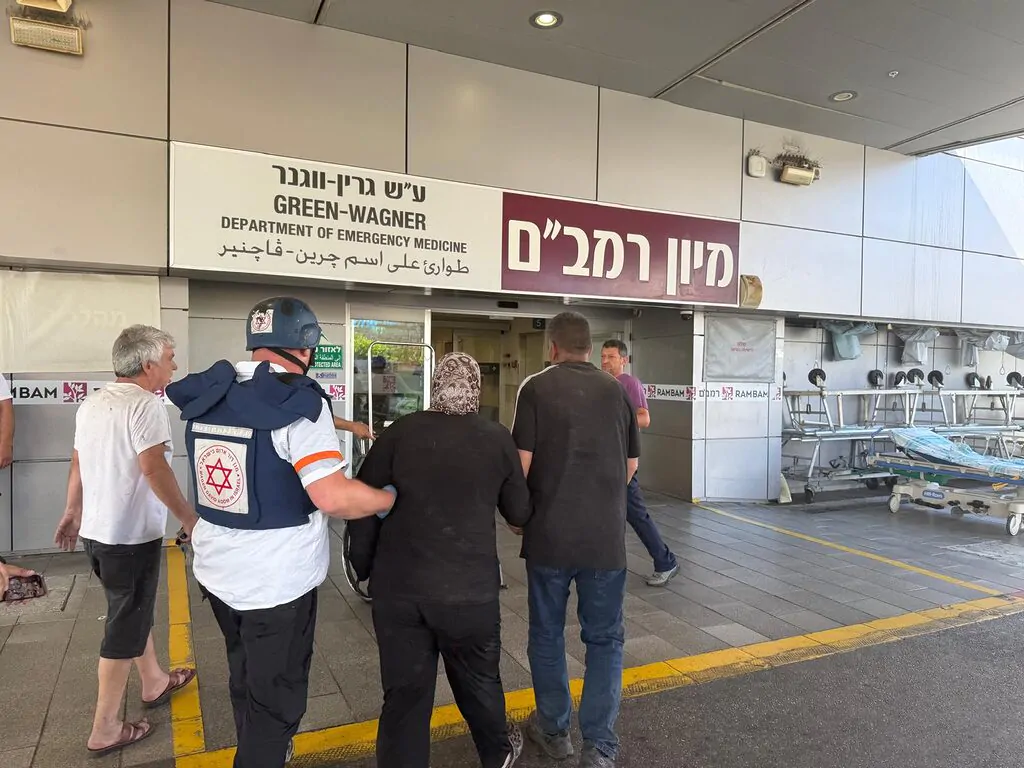
Emergency services responded quickly. Magen David Adom (MDA) reported that a teenage boy had been severely wounded by shrapnel to his upper body, while a 54-year-old man sustained moderate injuries to his lower limbs. United Hatzalah volunteers treated additional wounded and provided emotional support to several individuals suffering from shock.
IDF Not Taking a Break
Throughout the day, the IDF continued to neutralize aerial threats. An unmanned aerial vehicle (UAV) launched toward Israel was intercepted by the Air Force. In a notable first, the “Barak” defense system was used to shoot down another UAV.
What do pilots see 9,000 meters over Tehran? pic.twitter.com/rzc1PfqlYv
— Israel Defense Forces (@IDF) June 20, 2025
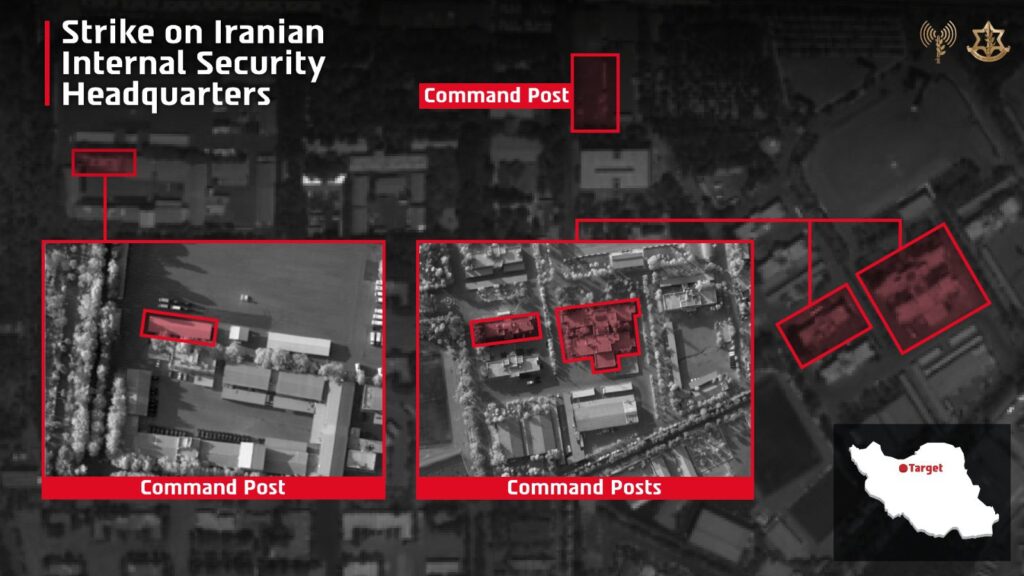
Simultaneously, the IDF reported strikes against military infrastructure in western and central Iran, including a command center belonging to Iran’s internal security forces in Tehran.
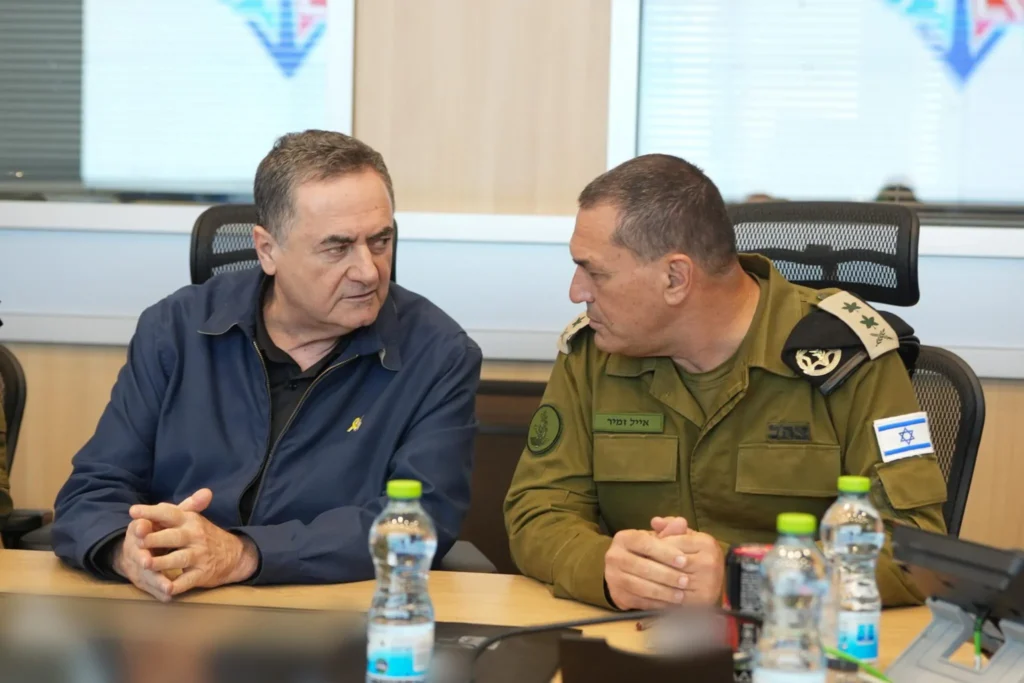
At 12:28 p.m., Defense Minister Israel Katz instructed the IDF to intensify its strikes on regime targets in Tehran, aiming to destabilize the regime and deter further missile attacks. He added that efforts would also continue against Iranian nuclear facilities and personnel.
Earlier in the day, a targeted Israeli drone strike reportedly hit a residential building in Tehran’s Gisha neighborhood. An Israeli source claimed the intended target was an Iranian nuclear scientist.
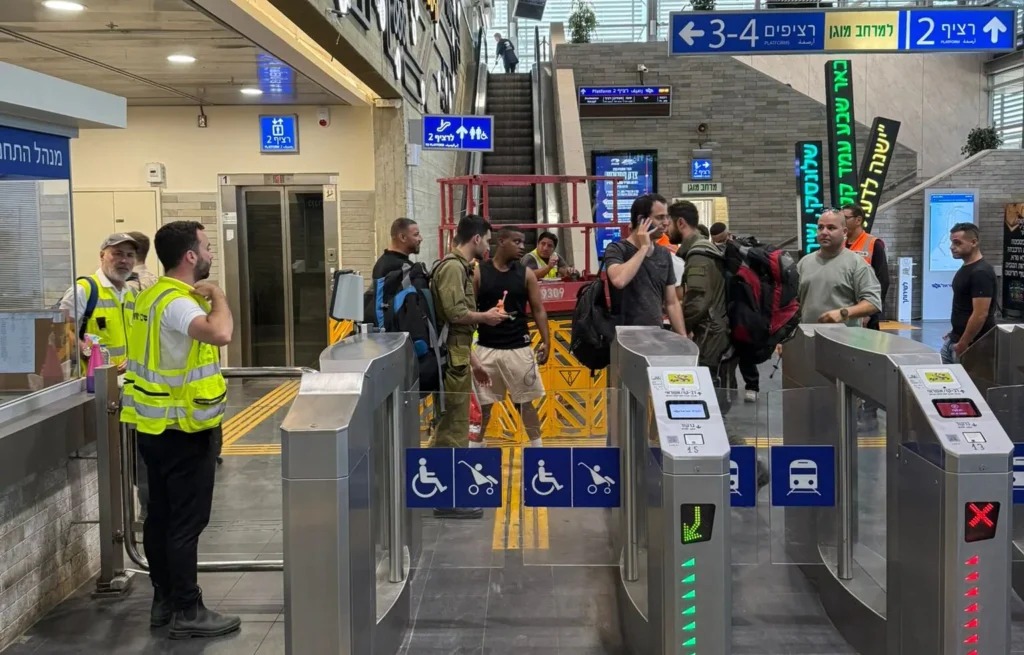
In the south, Home Front Command and emergency teams were active in Be’er Sheva, where an earlier missile strike had caused damage. By 8:45 a.m., Be’er Sheva’s train station had resumed operations just two hours after the nearby impact.
By 4:03 p.m., Home Front Command declared the missile event concluded. However, just minutes before, it had urged citizens across Israel to remain in protected spaces. Search and rescue teams from MDA and United Hatzalah continued to scan impact zones to ensure no additional casualties had been missed.
This latest barrage underscores the intensifying conflict and Israel’s dual-track response—combining swift homeland defense with bold offensives targeting Iran’s military and nuclear infrastructure.