
Four new development proposals—comprising around 700 apartments, commercial and employment zones, and open green areas—have been submitted to the Jerusalem Municipality. Today (Sunday), the city recommended that the district planning committee approve the plans.
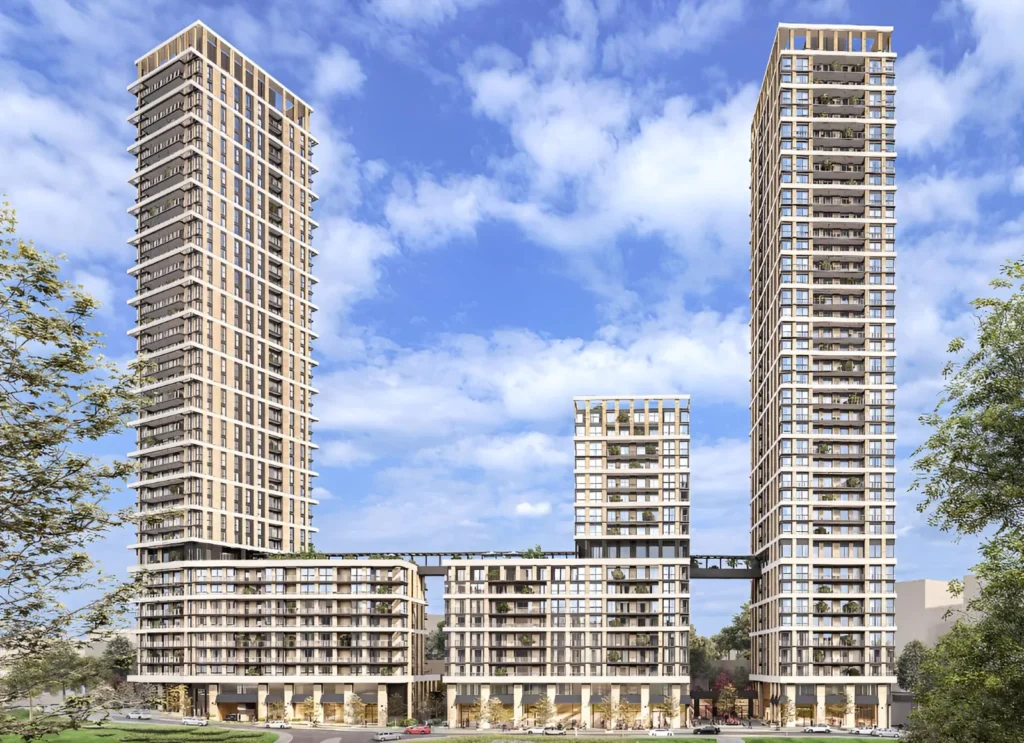
What the Plans Include
The first plan, covering nearly four dunams, includes 320 new apartments in the Kiryat Menachem neighborhood—a residential area known for its strong sense of community. It will also feature public buildings and an underground parking structure.
The second plan, located on Ma’alot Dafna Street, outlines the construction of 173 new apartments, alongside commercial spaces, public facilities, and a parking garage. It spans about four and a half dunams, in a neighborhood popular with both veteran residents and new immigrants.
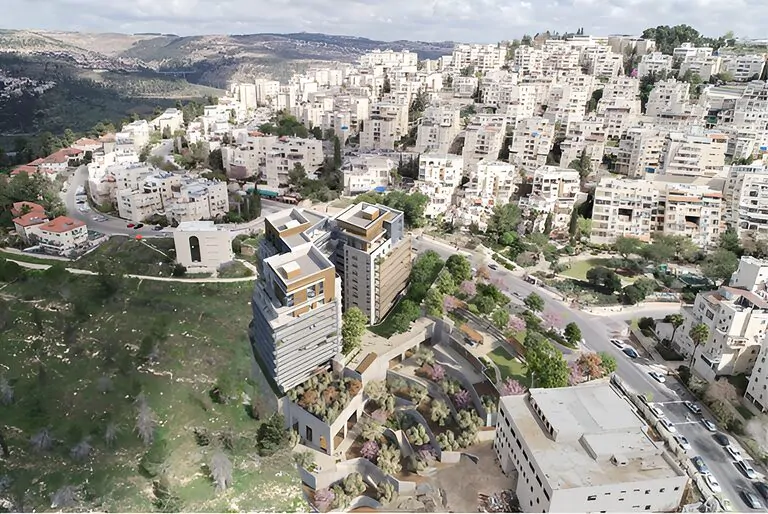
The third plan, in Har Nof—long a welcoming area for religious families and English-speaking olim—calls for 110 new apartments while preserving 60% of the 6.3-dunam site as open green space.
The fourth plan, in Pisgat Ze’ev, Jerusalem’s largest residential neighborhood, envisions 105 new apartments across 2.9 dunams. This development will also include commercial, employment, and public infrastructure—making it ideal for families seeking community life with convenient access to services.
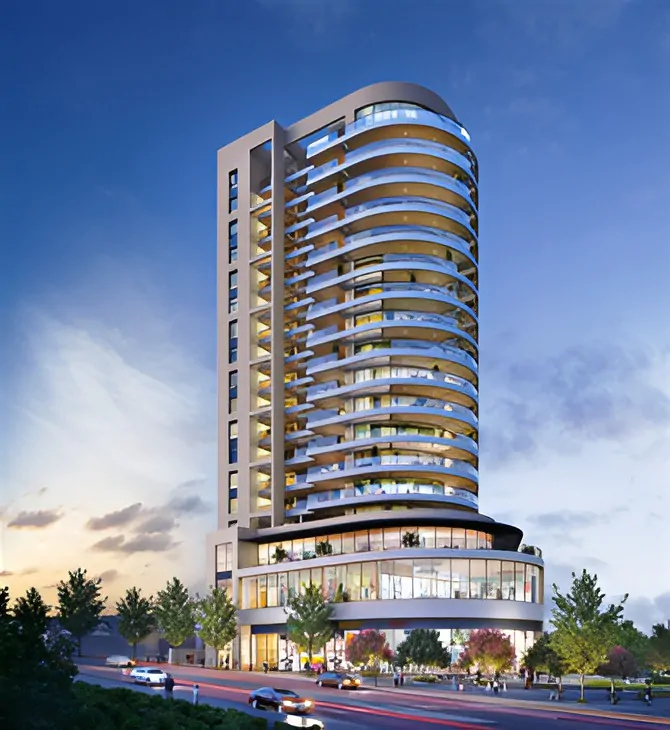
Urban Renewal
Jerusalem Mayor Moshe Lion praised the initiative:
“Jerusalem’s housing revolution is in full motion, driven by its beating heart—urban renewal, which is transforming streets, neighborhoods, and communities. Urban renewal brings with it social, economic, and environmental justice.”
For individuals and families making aliyah, these projects signal more than construction—they represent meaningful opportunities to become part of Jerusalem’s dynamic future.